- Published: 25 July 1996
- ISBN: 9780140434460
- Imprint: Penguin Classics
- Format: Paperback
- Pages: 288
- RRP: $24.99
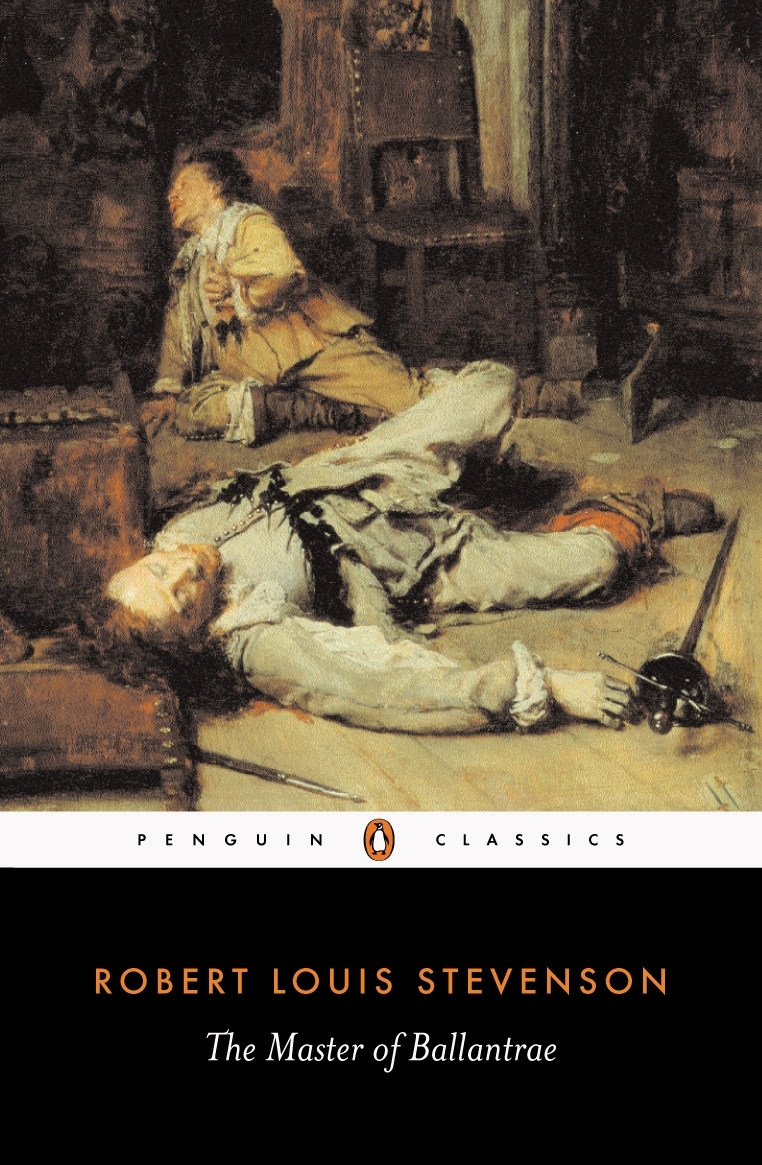
The Master of Ballantrae
A Winter's Tale
Set at the time of the Jacobite uprising, The Master of Ballantrae tells of a family divided. James Durie, Master of Ballantrae, abandons his ancestral home to support the Scottish rebellion - leaving his younger brother Henry, who is faithful to the English crown, to inherit the title of Lord Durrisdeer. But he is to return years later, embittered by battles and a savage life of piracy on the high seas, to demand his inheritance. Turning the people against the Lord, he begins a savage feud with his brother that will lead the pair from the Scottish Highlands to the American Wilderness. Satanic and seductive, the Master was regarded by Stevenson as 'all I know of the devil'; his darkly manipulative schemes dominate this subtle and compelling tragedy.
This edition takes as its text the Edinburgh Edition of the novel, the last approved by the author. The introduction considers the novel's inspiration and its place as one of Stevenson's greatest studies in cruelty.
- Published: 25 July 1996
- ISBN: 9780140434460
- Imprint: Penguin Classics
- Format: Paperback
- Pages: 288
- RRP: $24.99
Other books in the series
About the author
Robert Louis Stevenson was born in Edinburgh in 1850. Chronically ill with bronchitis and possibly tuberculosis, Stevenson withdrew from Engineering at Edinburgh University in favour of Studying Law. Although he passed the bar and became an advocate in 1875, he knew that his true work was as a writer.
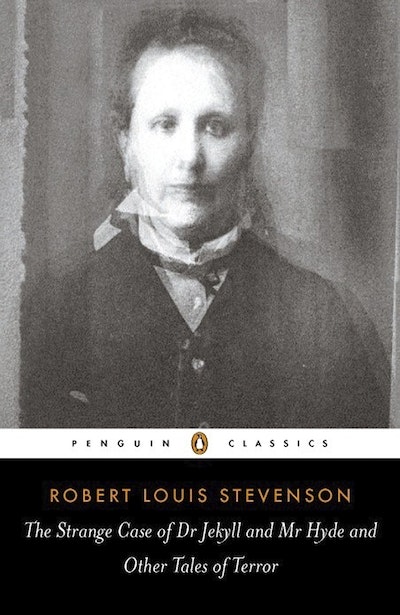
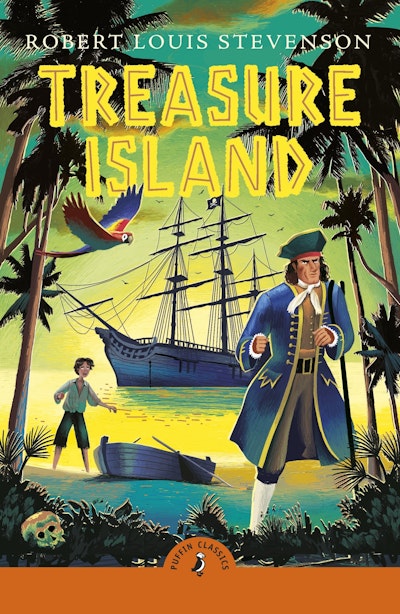
Between 1876 and his death in 1894, Stevenson wrote prolifically. His published essays, short stories, fiction, travel books, plays, letters and poetry number in dozens. The most famous of his works include Travels With A Donkey in the Cevennes (1879), New Arabian Nights (1882), Treasure Island (1883), The Strange Case of Doctor Jekyll and Mr Hyde (1887), Thrawn Janet (1887) and Kidnapped (1893).
After marrying Fanny Osbourne in 1880 Stevenson continued to travel and to write about his experiences. His poor health led him and his family to Valima in Samoa, where they settled. During his days there Stevenson was known as ‘Tusitala’ or ‘The Story Teller’. His love of telling romantic and adventure stories allowed him to connect easily with the universal child in all of us. ‘Fiction is to grown men what play is to the child,’ he said.
Robert Louis Stevenson died in Valima in 1894 of a brain haemorrhage.