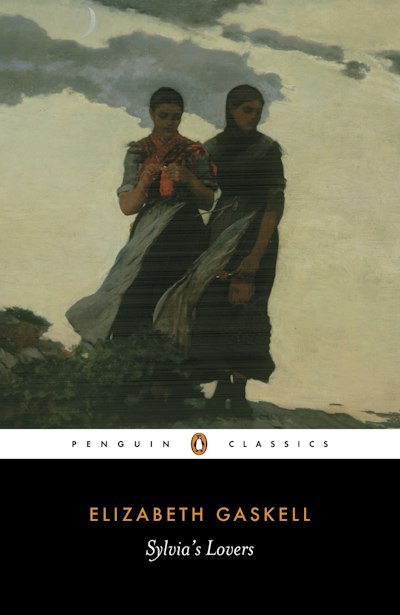
When her father leaves the Church, Margaret Hale is uprooted from her comfortable home in Hampshire to move with her family to the North of England. Initially repulsed by the ugliness of her new surroundings in the industrial town of Milton, Margaret becomes aware of the poverty and suffering of local mill workers and develops a passionate sense of social justice.
In NORTH AND SOUTH Gaskell skillfully fused individual feeling with social concern and in Margaret Hale created one of the mostoriginal heroines of Victorian literature.
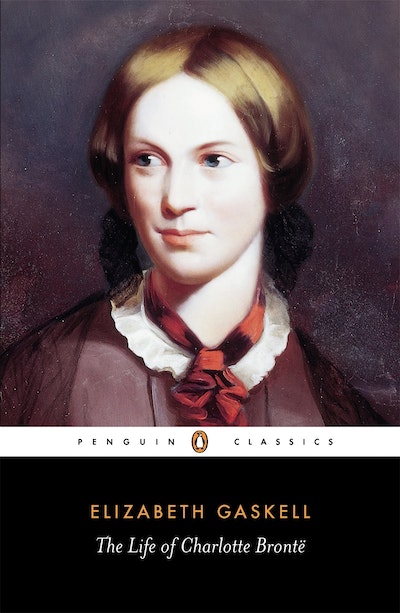
ELIZABETH GASKELL (1810–1865) was born Elizabeth Stevenson in London, the daughter of a Unitarian minister who resigned his position on conscientious grounds. Her mother died a year after her birth, and Gaskell spent her formative years in the care of relatives in northern England. In 1832, she married William Gaskell, a well-known Unitarian minister, and joined him to work among the poor for social reform. They had four daughters, as well as a son who died in infancy. His death left Gaskell so distraught that she began writing for distraction. Her first major success was the novel Mary Barton (1848)—published, as were her first several works of short fiction, under the pseudonym Cotton Mather Mills. For many years, she also wrote regularly for Charles Dickens’s magazine, Household Words, contributing stories and a serialized novel, Cranford. Meanwhile, the Gaskells’ home in Manchester became a popular stop for writers and reformers, including Dickens, Harriet Beecher Stowe, John Ruskin, and Charlotte Brontë, who became a close friend. After Brontë’s death, her father, Patrick Brontë, asked Gaskell to write her biography. The Life of Charlotte Brontë proved a pioneering and controversial psychological study of Brontë’s family life, and remains perhaps the most important book on the writer. Gaskell died of a heart attack in 1865. A memorial to her lies at Poets’ Corner in Westminster Abbey.