[]
- Published: 1 December 1978
- ISBN: 9780140443530
- Imprint: Penguin Classics
- Format: Paperback
- Pages: 544
- RRP: $26.99
Categories:
Notre-Dame de Paris
Formats & editions
Buy from…
Hugo's Gothic tale of Quasimodo
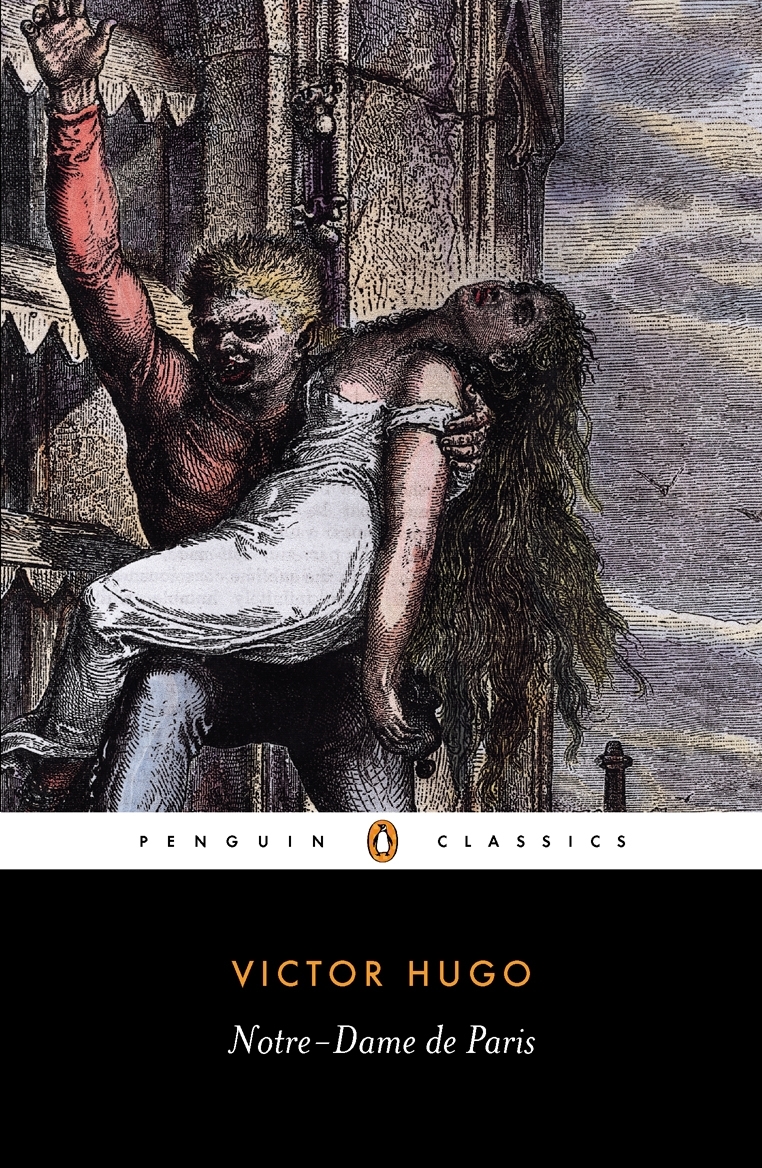
In the vaulted Gothic towers of Notre-Dame lives Quasimodo, the hunchbacked bellringer. Mocked and shunned for his appearance, he is pitied only by Esmerelda, a beautiful gypsy dancer to whom he becomes completely devoted. Esmerelda, however, has also attracted the attention of the sinister archdeacon Claude Frollo, and when she rejects his lecherous approaches, Frollo hatches a plot to destoy her that only Quasimodo can prevent. Victor Hugo's sensational, evocative novel brings life to the medieval Paris he loved, and mourns its passing in one of the greatest historical romances of the nineteenth century.
- Published: 1 December 1978
- ISBN: 9780140443530
- Imprint: Penguin Classics
- Format: Paperback
- Pages: 544
- RRP: $26.99
Categories:
Other books in the series
A Dead Man's Memoir (A Theatrical Novel)
Mikhail Bulgakov
A Dog's Heart
Mikhail Bulgakov
The Man Who Was Thursday
G. K. Chesterton
The Black Tulip
Alexandre Dumas
The Lady of the Camellias
Alexandre Dumas fils
Faust, Part I
Goethe
Faust, Part II
Goethe
Selected Poetry
Goethe Johann Wolfgang Von
The Complete Odes and Epodes
Horace
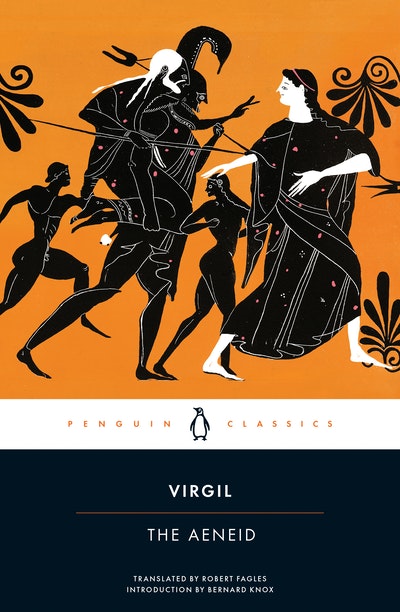
The Aeneid
Virgil
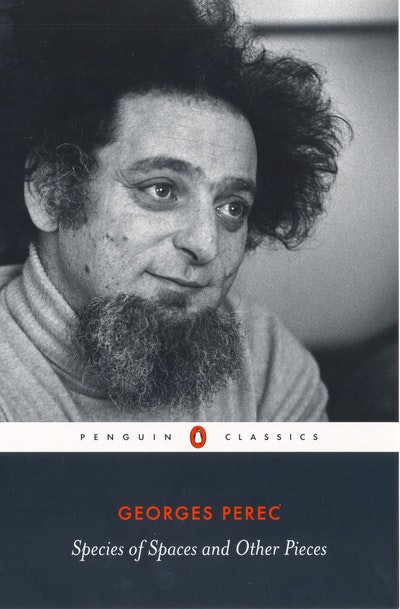
Species of Spaces and Other Pieces
Georges Perec
The Age of Alexander
Plutarch
Fall Of The Roman Republic
Plutarch
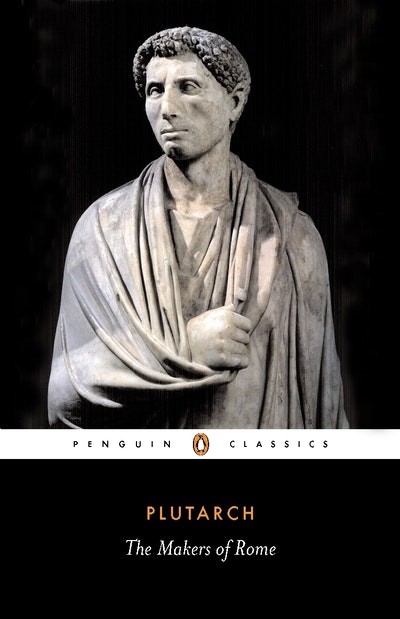
The Makers of Rome
Plutarch
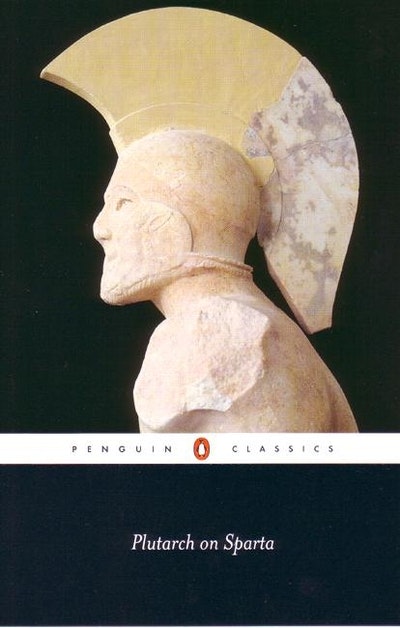
On Sparta
Plutarch
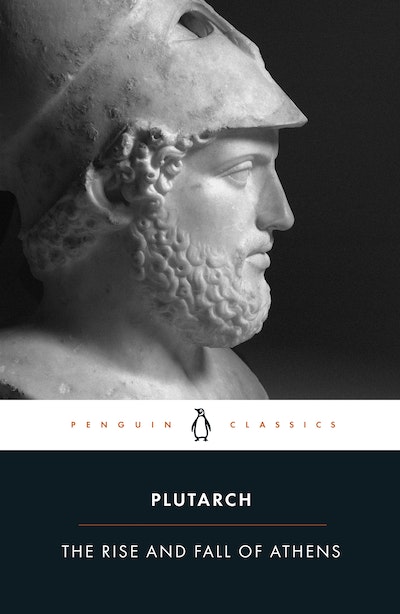
The Rise And Fall of Athens
Plutarch
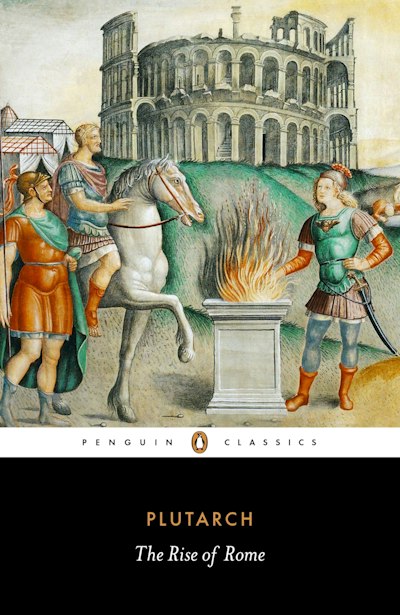
The Rise of Rome
Plutarch
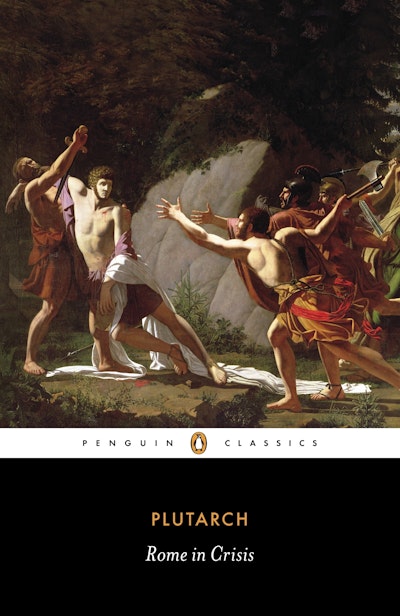
Rome in Crisis
Plutarch
Man and Superman
George Bernard Shaw
Saint Joan
George Bernard Shaw
Botchan
Natsume Soseki
Kusamakura
Natsume Soseki
Military Dispatches
The Duke Of Wellington
Journey to the Centre of the Earth
Jules Verne
Treatise On Toleration
Voltaire
About the author
Victor Hugo (1802–1885), novelist, poet, playwright, and French national icon, is best known for two of today’s most popular world classics: Les Misérables and The Hunchback of Notre-Dame, as well as other works, including The Toilers of the Sea and The Man Who Laughs. Hugo was elected to the Académie Française in 1841. As a statesman, he was named a Peer of France in 1845. He served in France’s National Assemblies in the Second Republic formed after the 1848 revolution, and in 1851 went into self-imposed exile upon the ascendance of Napoleon III, who restored France’s government to authoritarian rule. Hugo returned to France in 1870, after the proclamation of the Third Republic.