> Skip to content
[]
  • Published: 1 September 1983
  • ISBN: 9780140444223
  • Imprint: Penguin Classics
  • Format: Paperback
  • Pages: 256
  • RRP: $32.99
Categories:

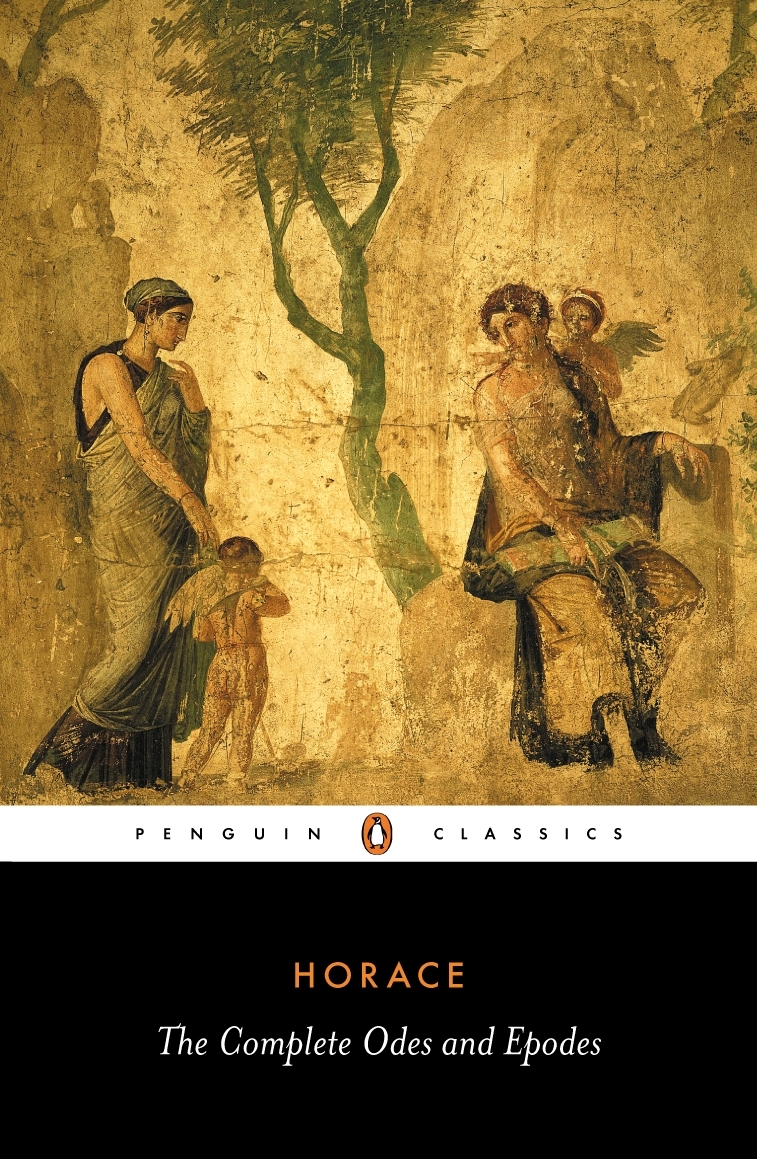
The Complete Odes and Epodes


This modern translation by W. G. Shepherd, himself a distinguished poet, conveys the intricate eloquence of the original. In her introduction, Betty Radice explores Horace's life and influence. This edition also includes a bibliography, Suetonius's Life of Horace, notes and a glossary.

Horace (65-8 bc) was one of the greatest poets of the Golden or Augustan age of Latin literature, a master of precision and irony who brilliantly transformed early Greek iambic and lyric poetry into sophisticated Latin verse of outstanding beauty. Offering allusive and exquisitely crafted insights into the brief joys of the present and the uncertain nature of the future, his Odes and Epodes explore such diverse themes as the virtues of pastoral life, the joys of wine, friendship and love, and the poet's personal anguish following Brutus' defeat at the battle of Phillipi. Ranging from subtle and tender hymns to the gods to bawdy celebrations of human passions, they remain among the most influential of all poems, inspiring poets from the Roman era to the European Renaissance, the Enlightenment and beyond.

  • Published: 1 September 1983
  • ISBN: 9780140444223
  • Imprint: Penguin Classics
  • Format: Paperback
  • Pages: 256
  • RRP: $32.99
Categories:

Other books in the series

The New Penguin Book Of American Short Stories, From Washington Irving To Lydia Davis
A Dog's Heart
The Black Tulip
The Lady of the Camellias
Selected Poetry
On Sparta
Man and Superman
Saint Joan
Botchan
Military Dispatches

About the author

Horace

Quintus Horatius Flaccus was born in 6 B.C. at Venusia in Apulia. His father, though once a slave, had made enough money as an auctioneer to send his son to a well-known school in Rome and subsequently to university in Athens. There Horace joined Brutus’ army and served on his staff until the defeat at Philippi in 42 BC. On returning to Rome, he found that his father was dead and his property had been confiscated, but he succeeded in obtaining a secretarial post in the treasury, which gave him enough to live on. The poetry he wrote in the next few years impressed Virgil, who introduced him to the great patron Maecenas in 38 BC. This event marked the beginning of a life-long friendship. From now on Horace had no financial worries; he moved freely among the leading poets and statesmen of Rome; his work was admired by Augustus, and indeed after Virgil’s death in 19 BC he was virtually Poet Laureate. Horace died in 8 BC, only a few months after Maecenas.
Also by Horace

See all