History
Books about history deepen readers’ understanding of the past while making sense of the present. Through different interpretations, they reveal how events, ideas and individuals have shaped the world, including Australia’s own story.
Whether you’re exploring sweeping global narratives or prefer to focus on specific moments, you can discover more through our selection of favourite books or browse our non-fiction books to find titles that continue to inform.
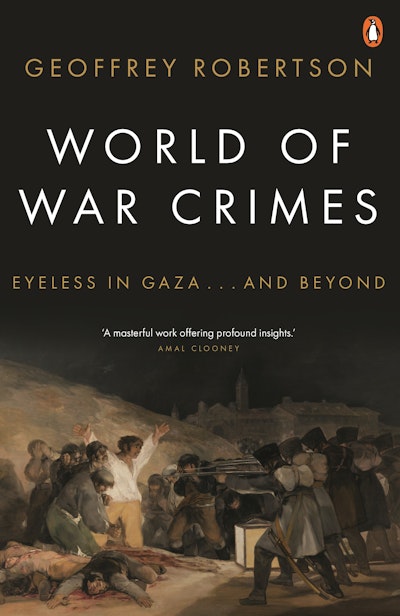
What amounts to a war crime today? This timely book by world-renowned human rights lawyer Geoffrey Robertson KC investigates the evidence and how attacks on free societies can be deterred.
These recent books about history have sparked conversation about the ways they revisit the past with fresh perspectives and a sense of urgency.
As conflict dominates global headlines, World of War Crimes moves beyond legal jargon. Geoffrey Robertson KC compellingly explains that failing to recognise a war crime as such has consequences that extend far beyond the courtroom. His book equips journalists, diplomats, soldiers and ordinary citizens alike with the language and framework to identify, name and challenge illegal military actions.
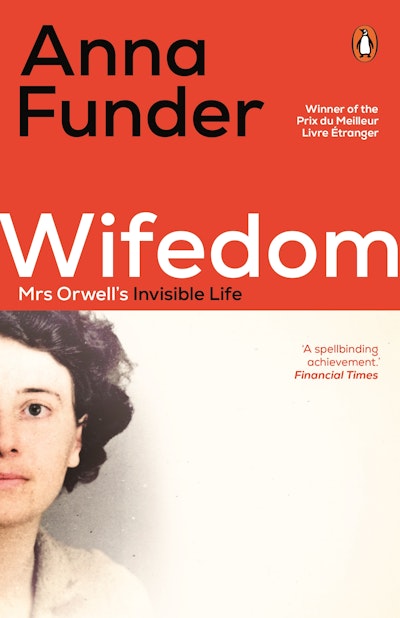
Wifedom, Anna Funder's genre-bending work, achieves something remarkable: it recovers a woman from the margins of literary history and places her at its centre. Eileen O'Shaughnessy was brilliant, practical and utterly essential to the work of George Orwell, and she was written out of the story almost entirely. Drawing on newly discovered letters, Funder weaves biography, memoir and cultural criticism into something that speaks as powerfully to the present as it does to the past.
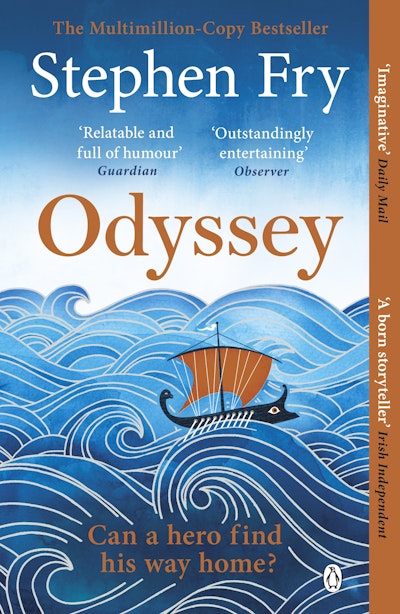
In Odyssey, Stephen Fry brings his celebrated retelling of the Greek myths to a magnificent close with the story that started it all. Troy has fallen, and now comes the reckoning. Agamemnon must return to a wife whose grief has hardened into something dangerous, while Odysseus, cursed by Poseidon, is condemned to wander a sea filled with monsters before he can find his way home.
Each title offers a distinct view on people, events and ideas, bringing new depth to familiar narratives and uncovering stories that feel especially relevant in the present.
From narrative-driven accounts to broader explorations of ideas and events, these history books bring the past into focus in ways that are engaging and thought-provoking.
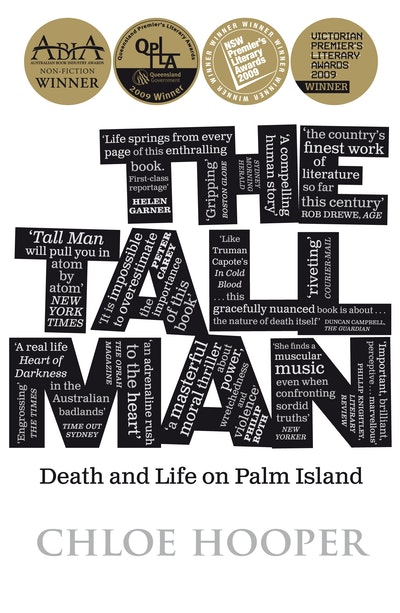
The Tall Man by Chloe Hooper is a haunting, meticulously observed account of two worlds in collision. When Cameron Doomadgee died in a Queensland watch-house cell after a brief encounter with a police officer, his death raised questions about justice, race and accountability that reverberated far beyond Palm Island.
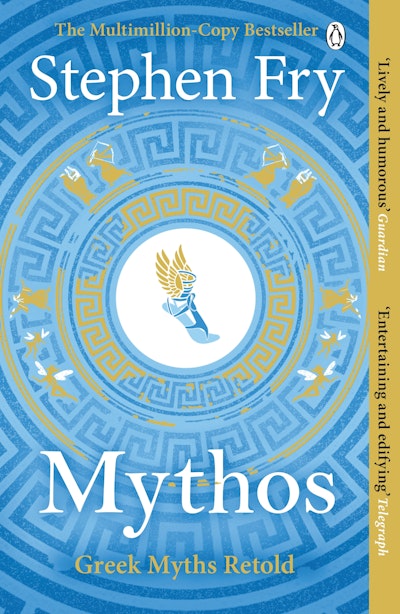
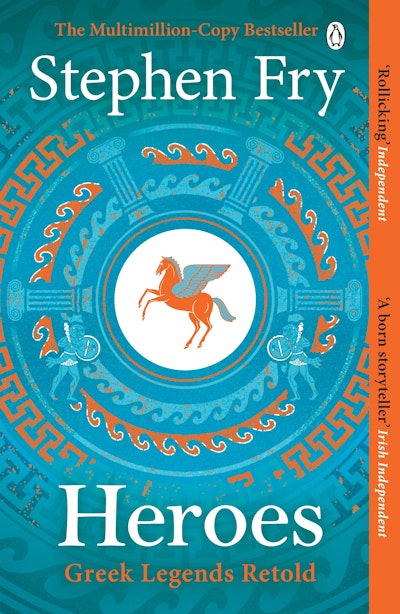
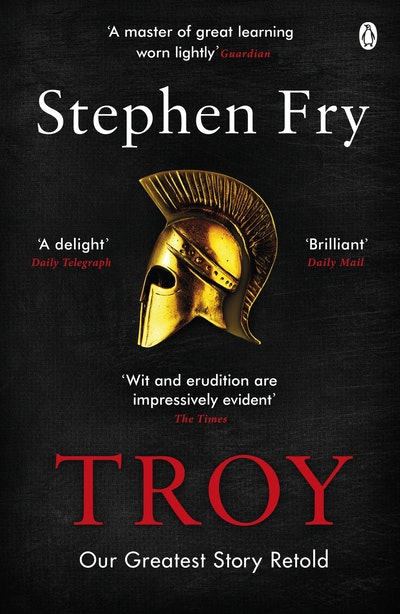
Before Odyssey brought Stephen Fry's Greek mythology series to its conclusion, Mythos, Heroes and Troy laid the foundations. Mythos breathes fresh life into the stories of the gods themselves, from the birth of Athena to the revenge of Cronus. Heroes follows the mortals who are bold enough to test themselves against monsters, curses and the capricious will of Olympus. Troy culminates in the most famous siege in history, where heroism and hatred, love and loss play out across ten bloody years of war. Witty and deeply human, all three volumes are rewarding reading.
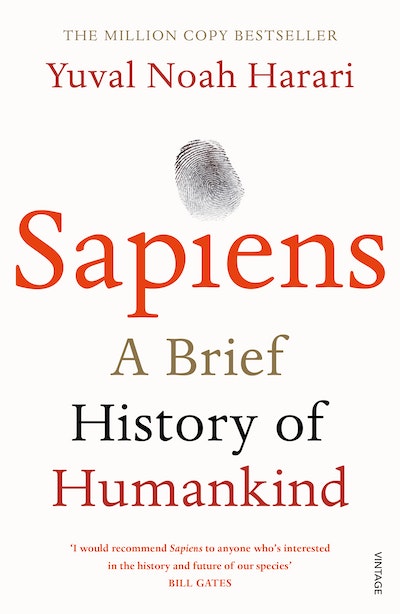
Yuval Noah Harari's multi-million-copy bestseller Sapiens traces the history of humankind from early beginnings to the modern world. The book raises the questions: how did one unremarkable species come to conquer an entire planet, and what does that say about us?
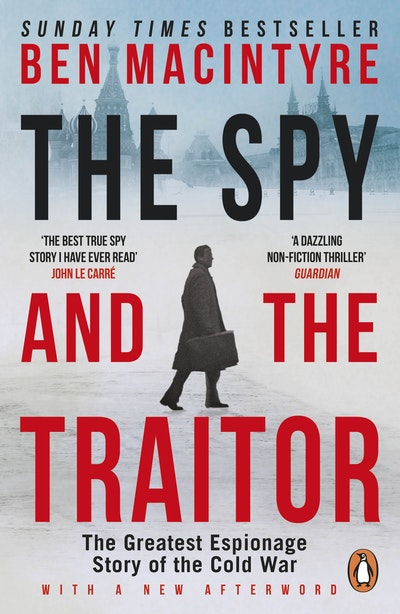
The Spy and the Traitor is Ben Macintyre's account of the KGB's most damaging defector. The true story of a senior Soviet intelligence officer who spent over a decade feeding priceless secrets to British intelligence is one of raw courage, extraordinary tradecraft and near-impossible escapes.
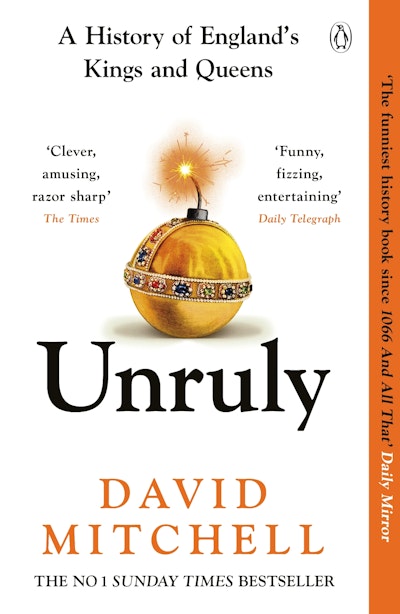
Unruly, David Mitchell's entertaining history of England's early kings and queens, is precisely what history should be and so rarely is: funny, sharp and impossible to put down. Rather than a procession of dates and battles, Mitchell reveals the story of a nation as a series of bizarre, random events presided over by a rotating cast of lucky, strange and occasionally brilliant individuals whose decisions we are still living with today.
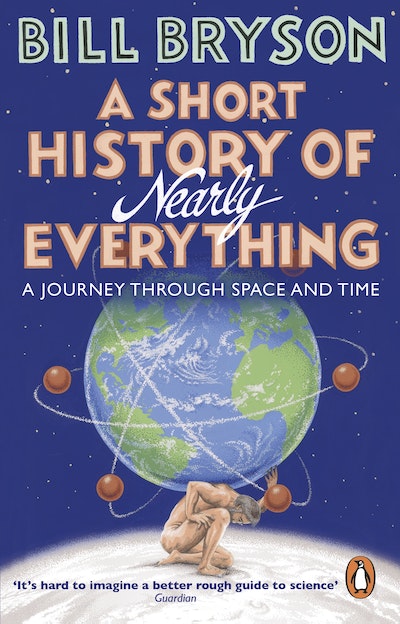
Bill Bryson set himself an almost impossibly ambitious task: to make geology, chemistry, particle physics and the entire history of the universe not just comprehensible but genuinely thrilling. A Short History of Nearly Everything has introduced millions of readers to our journey from nothing to who we are today. Humorous and endlessly surprising, this volume proves science was never boring. You just hadn't found the right guide yet.
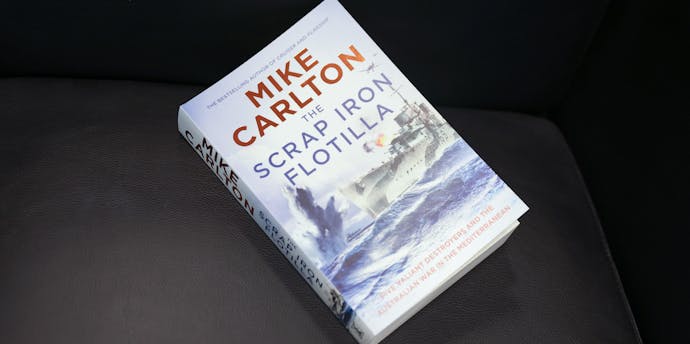
Mike Carlton shares his favourite historic naval novel, the disgusting meal he learned about while writing The Scrap Iron Flotilla and more.
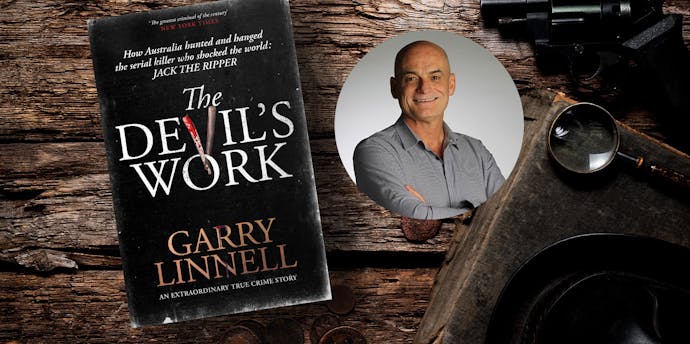
When Garry Linnell stumbled across the grisly story of Frederick Deeming, he knew it was the one he wanted to tell.
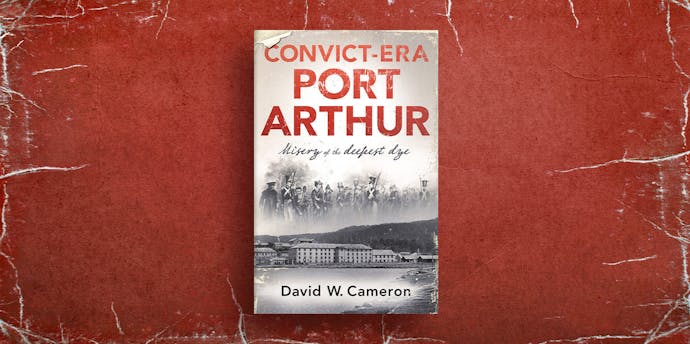
Port Arthur convicts turned to cannibalism in an attempt to survive in the harsh Australian bush.
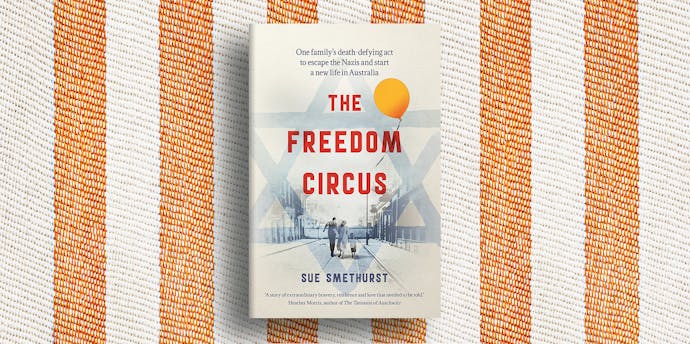
Sue Smethurst on five of the remarkable images she discovered while researching the story of her grandmother-in-law.
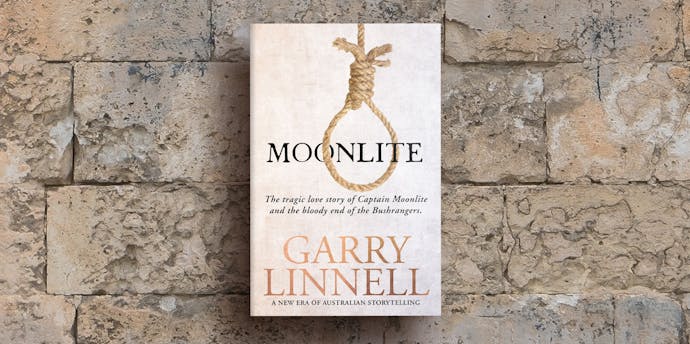
Garry Linnell reveals how a childhood fascination led to his exploration of the life, and love, of an oft-forgotten bushranger.
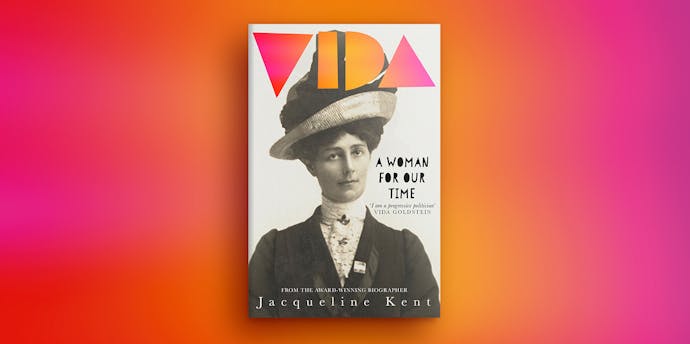
Advocate for women's rights, campaigner for peace and genuine trailblazer for equality.
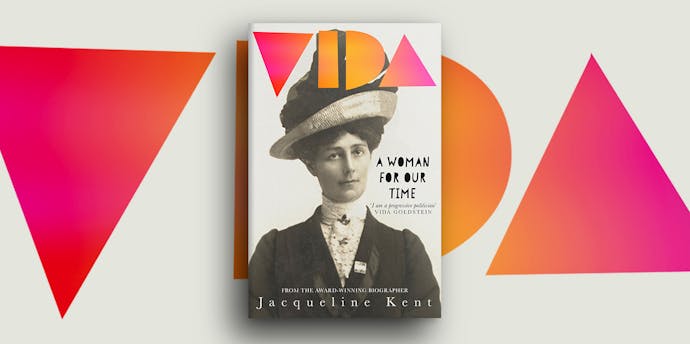
Jacqueline Kent on the inspiration behind her book about an extraordinary woman, Vida.
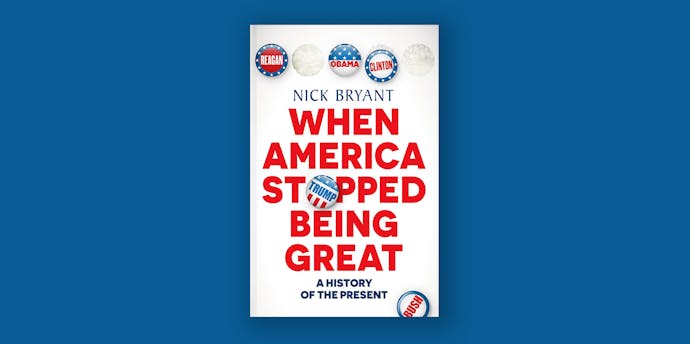
Nick Bryant reveals the unlikely start-point of Donald Trump’s first ‘semi-serious’ presidential bid.

In July we explored racism, identity, education and love in James Baldwin’s searing essay collection Dark Days.
Challenge your reading group to consider the biggest questions of our times.
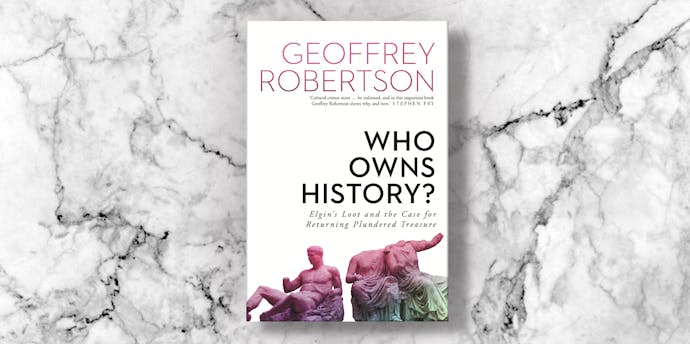
Geoffrey Robertson ponders the rights of nations to hoard the cultural identifiers of others.
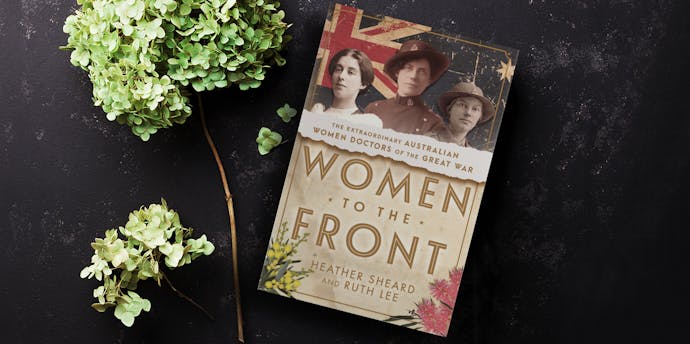
Advancement of women doctors: one of very few unexpected silver-linings of war.
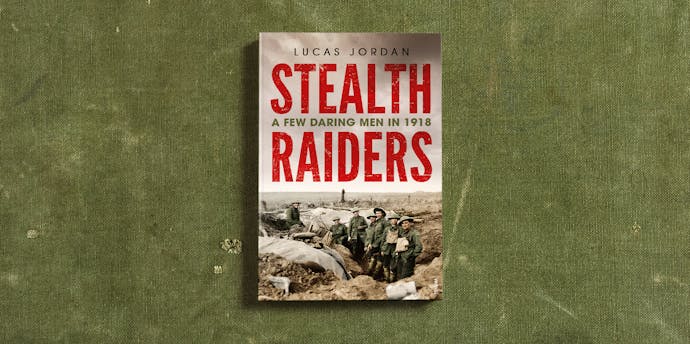
Audacity reigned supreme for some skilled Australian infantrymen on the Western Front.
Our articles offer further insight into books about history and how history is researched and brought to life, exploring the processes behind uncovering and documenting the past.
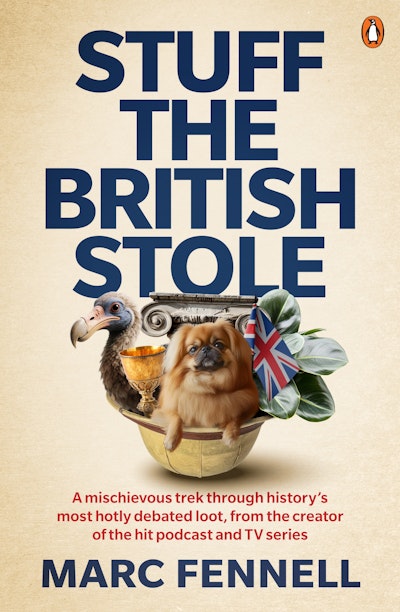
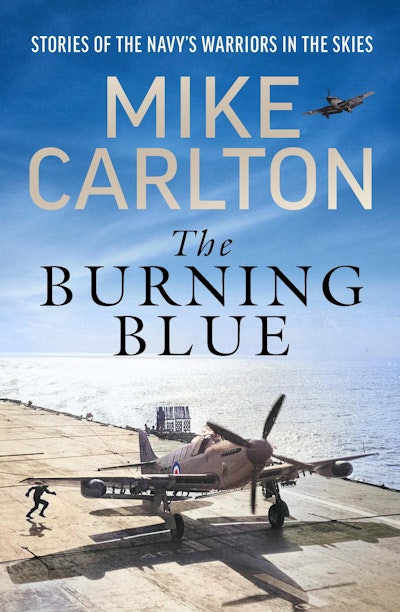
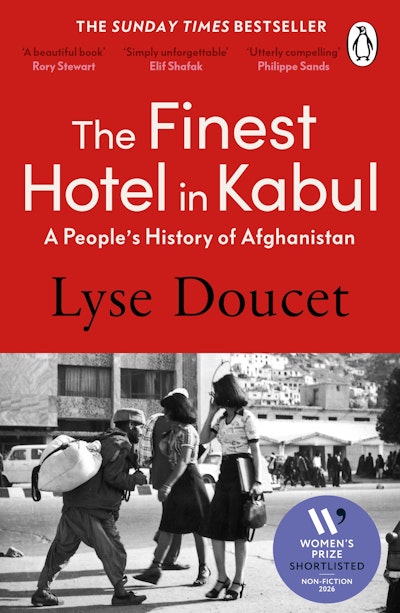
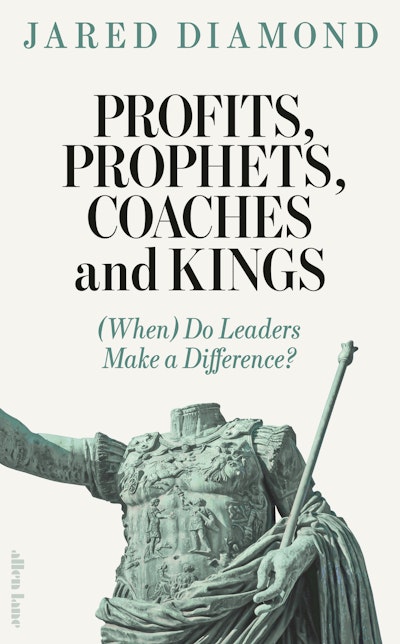
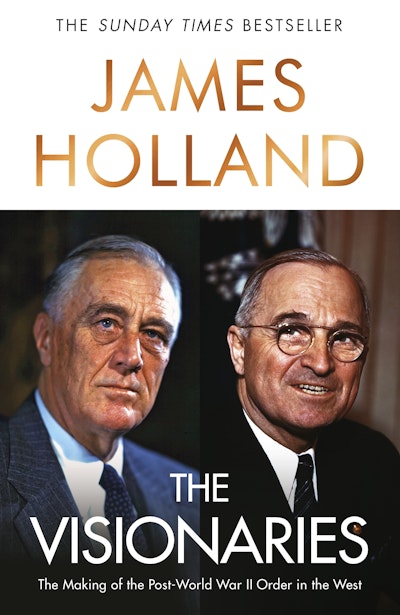

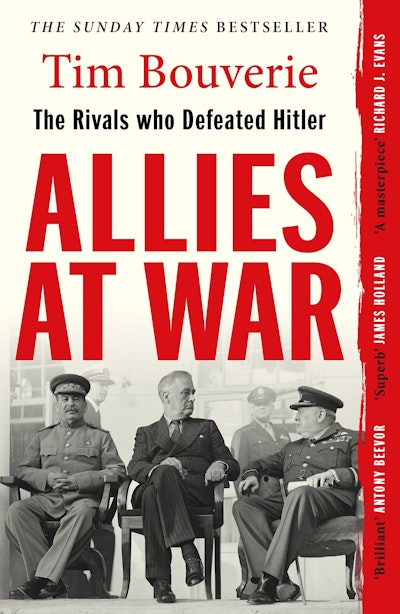
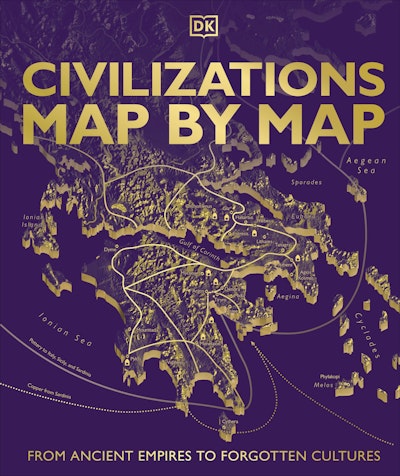
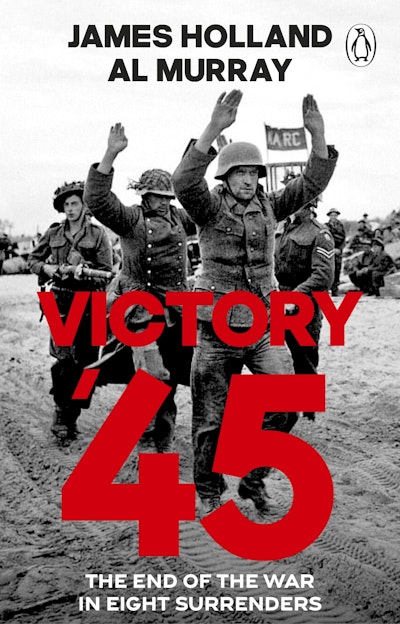
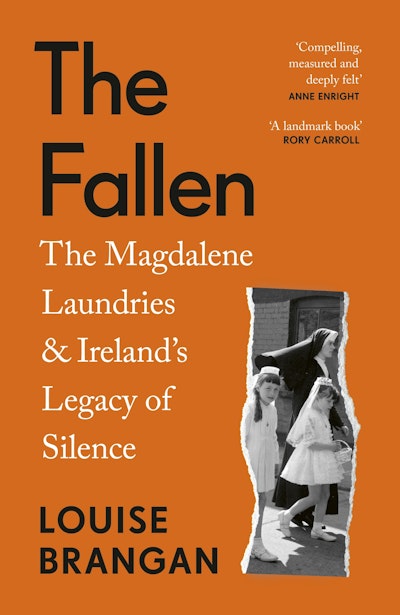
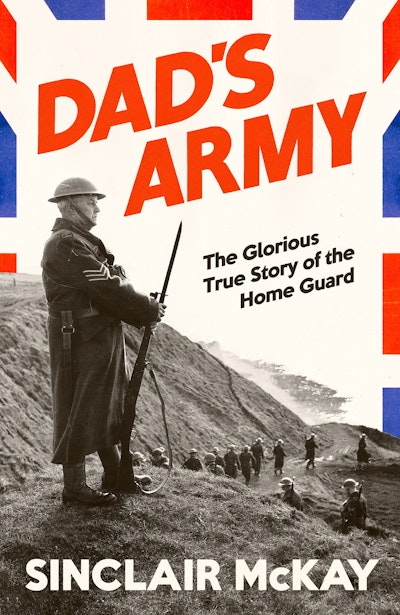
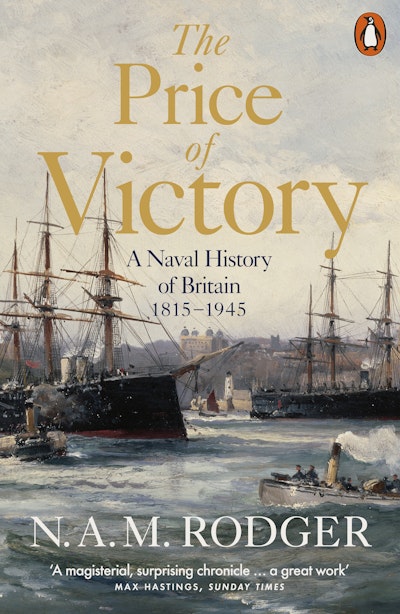
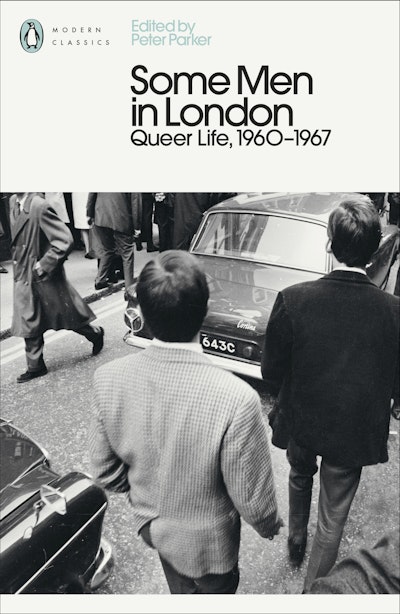
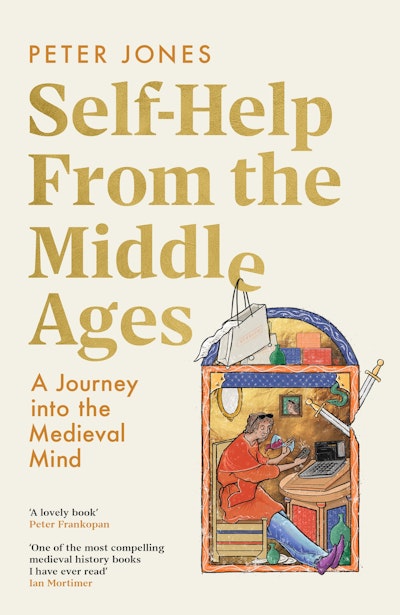
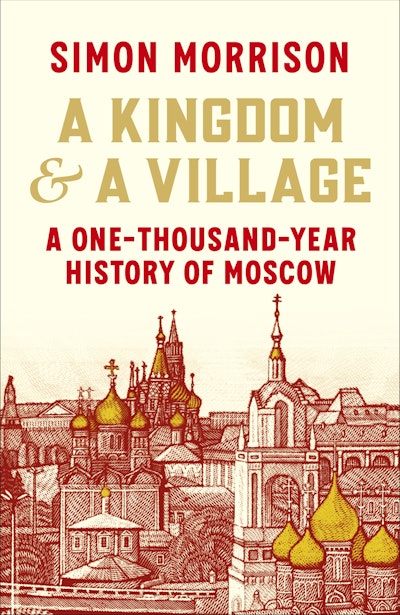
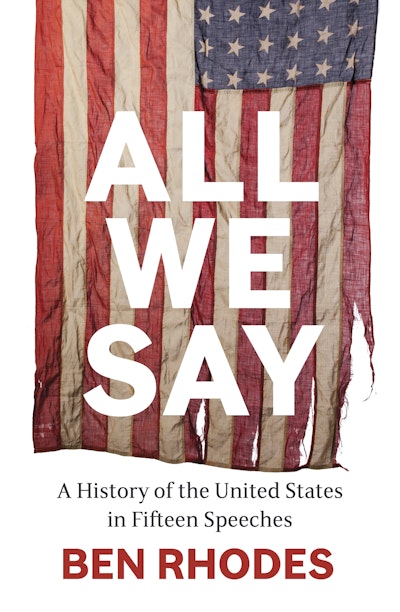
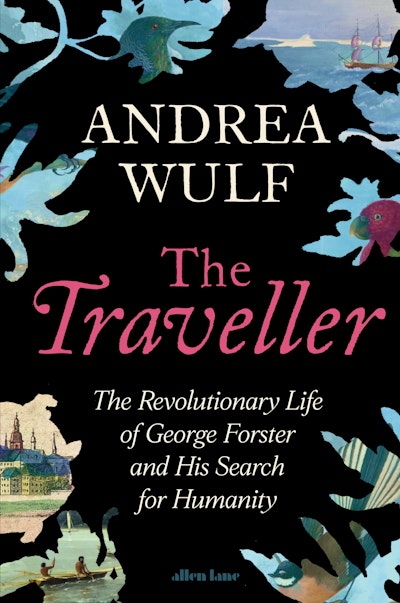
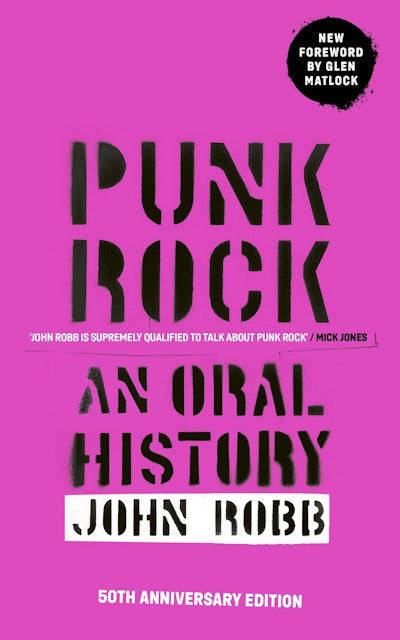
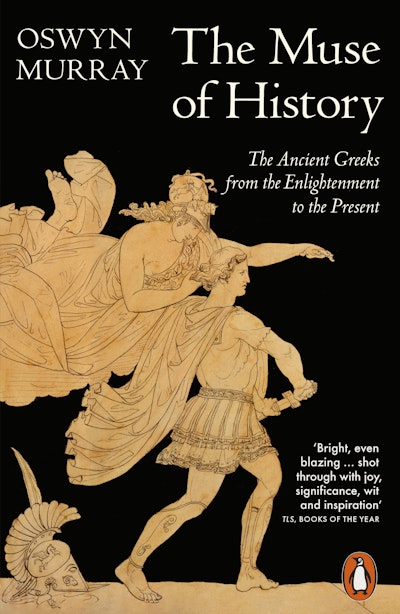


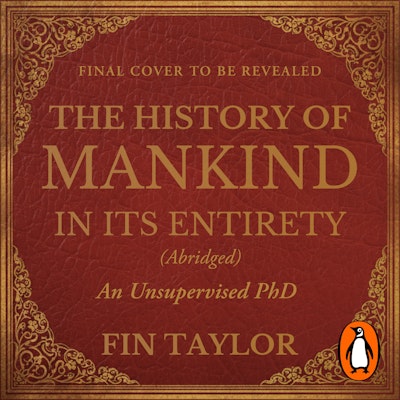
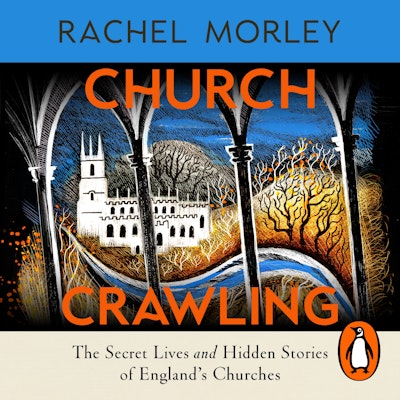
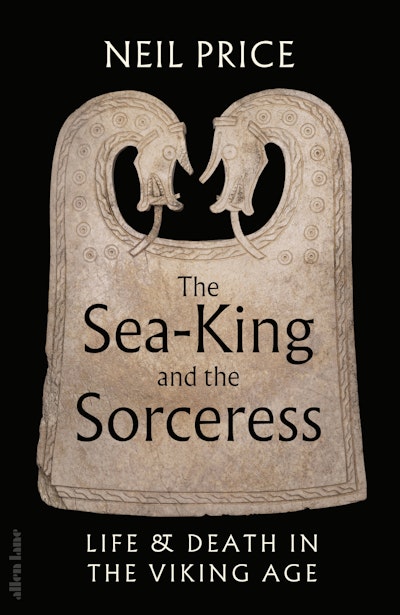
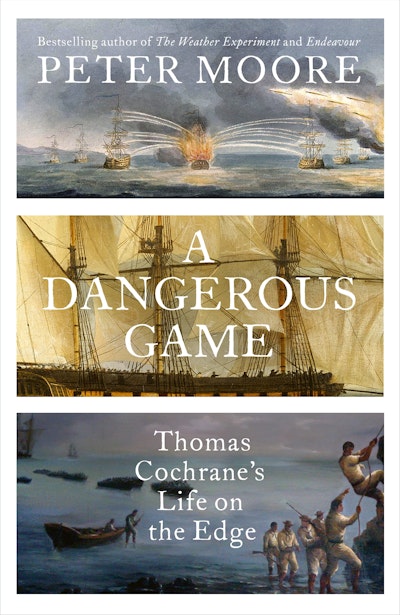
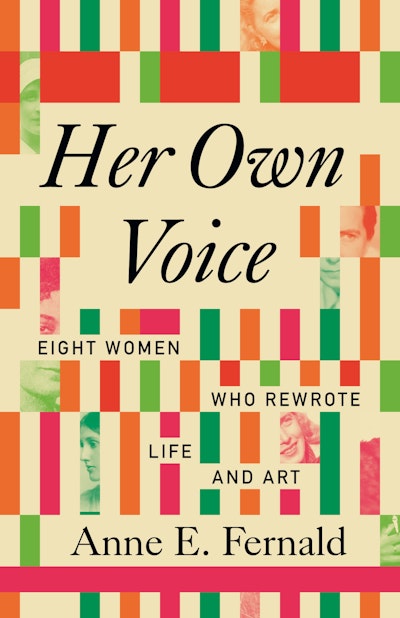
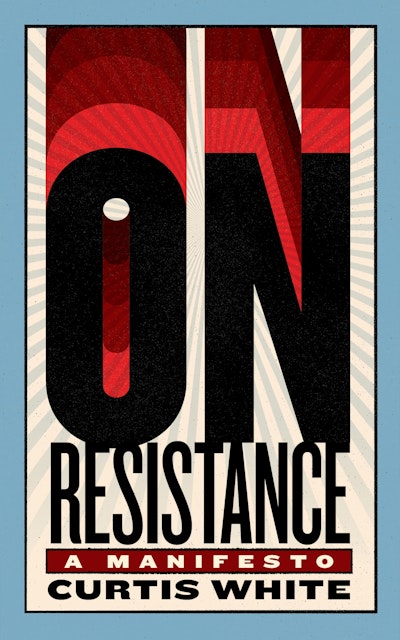
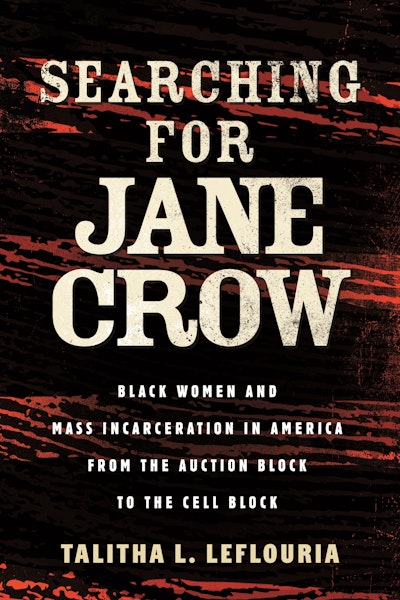
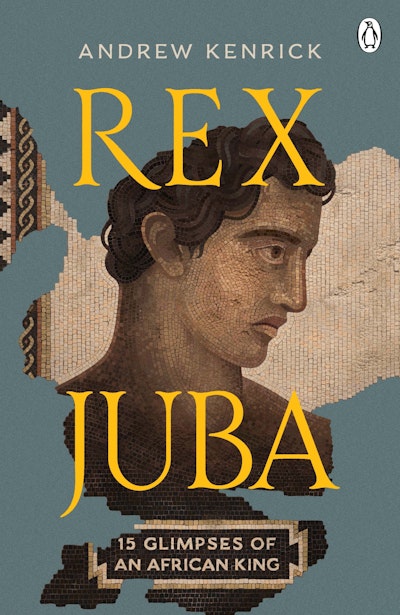
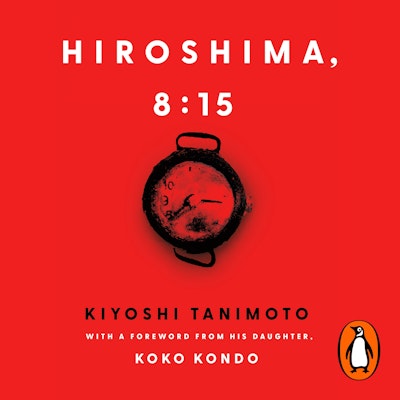
Contemporary books about history uncover stories, voices and interpretations that offer new angles into the past. As new research emerges and previously overlooked narratives come to light, these titles invite readers to reconsider familiar events, both globally and closer to home.


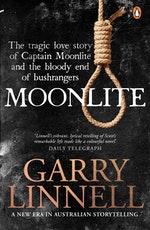

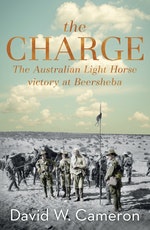

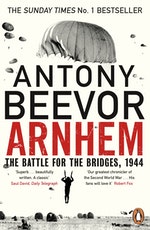
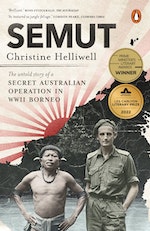
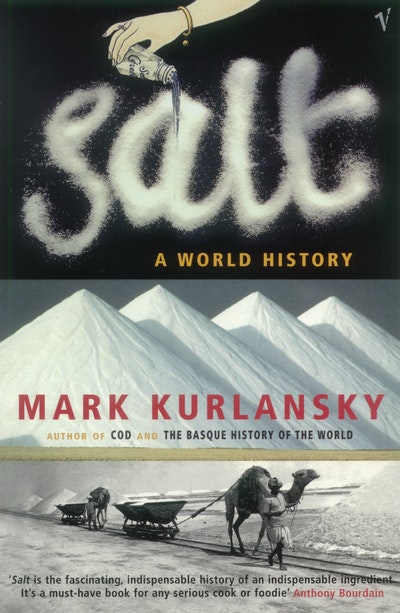

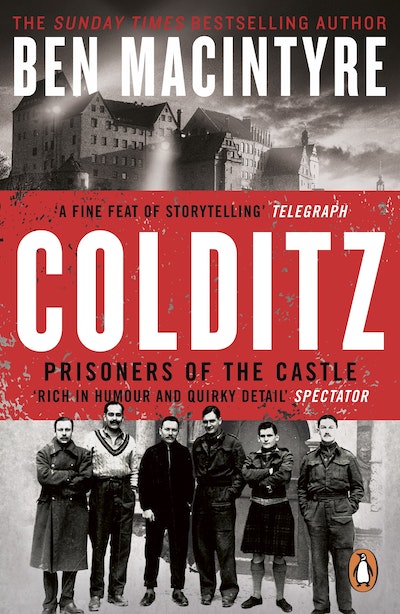
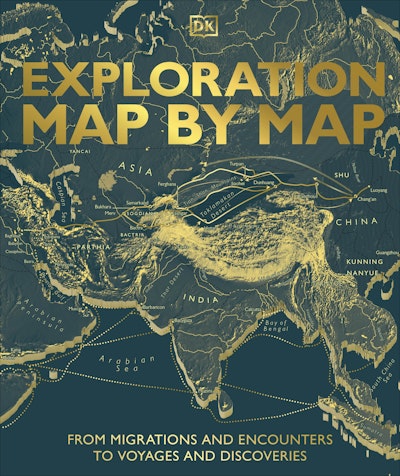
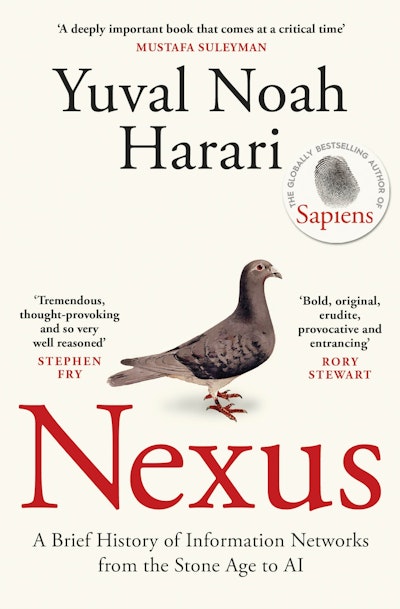
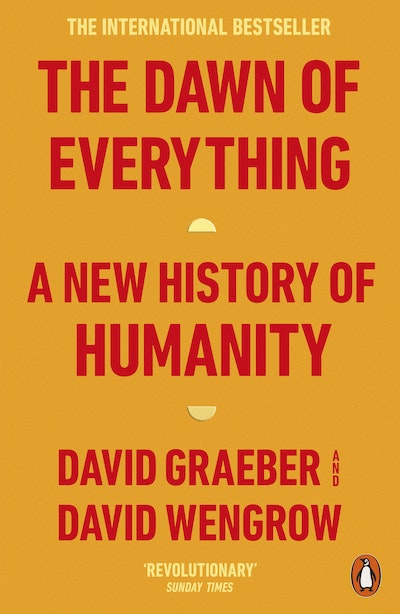
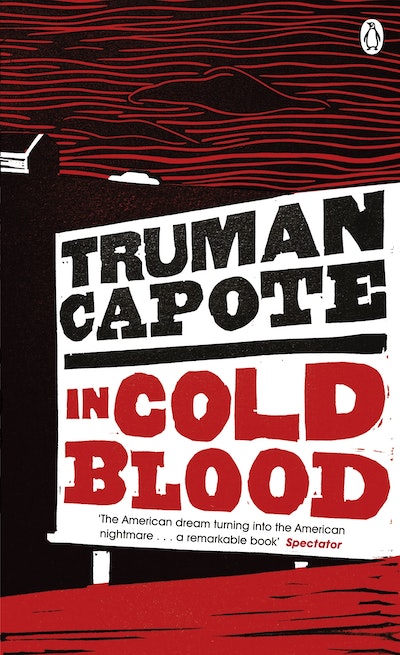
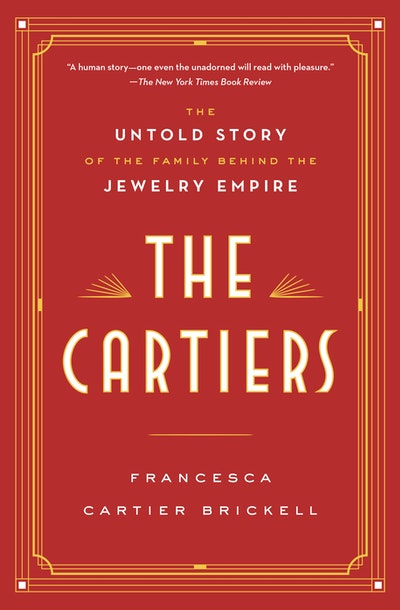
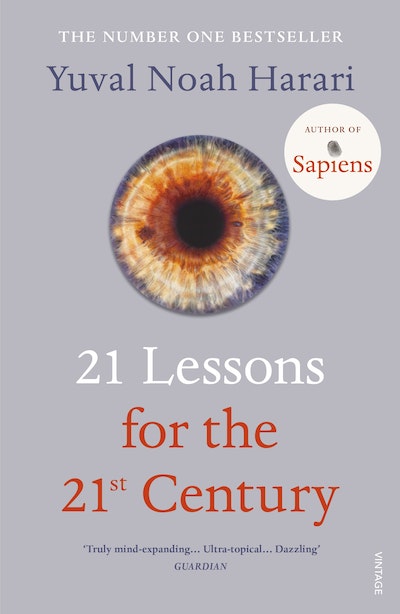
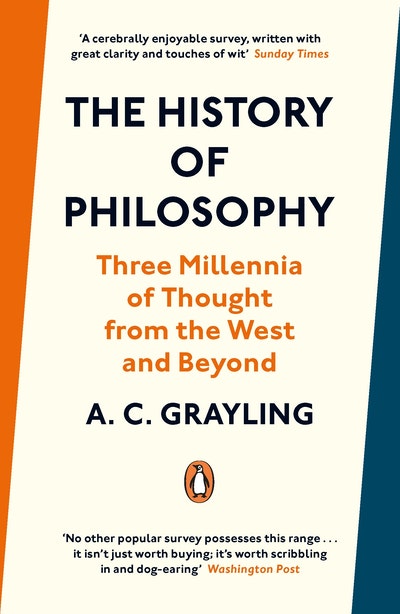
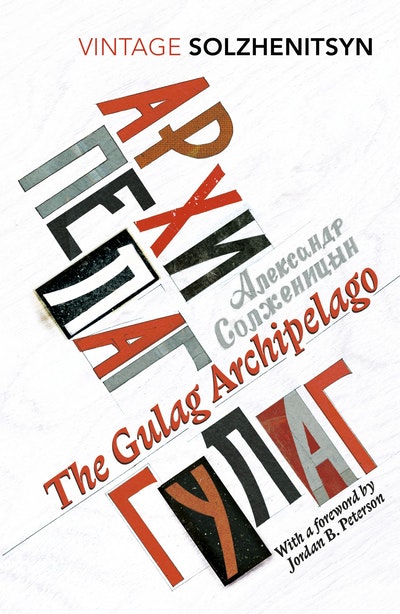

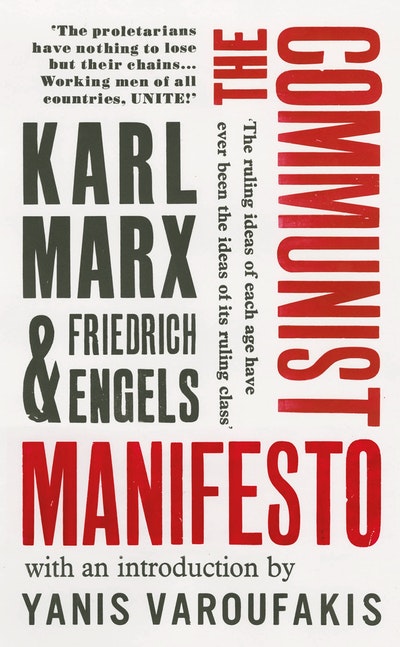


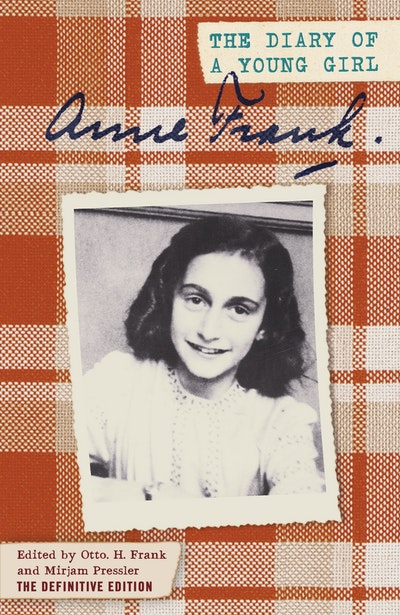
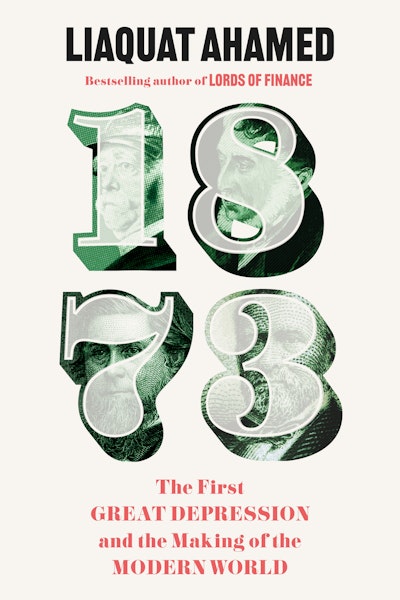
These popular books about history have captured wide attention for their ability to bring the past vividly into the present. Widely read and frequently discussed, they resonate with readers for their insight and lasting relevance. Each offers a considered way to engage with the past.

This is a history of the soul, or what we now call the mind, the mysterious inner voice that wills us to think and act and is unique to each of us.

There was a moment in 1940, the bleakest year of the Second World War with the Wehrmacht carrying all before it, when Winston Churchill made the French government a curious offer.

Like a lot of people whose lives come to sticky or ignominious ends, Dick Ellis’s time on Earth was ruined by the butterfly effect.
Discover real stories and new perspectives
Books about history tell of real events and lived experiences, helping make sense of the present through the lens of the past. They illuminate how societies evolve, how ideas take shape and how individual lives intersect with wider moments in time.
To explore these themes further, you can delve into biographies and memoir books for more personal accounts. True crime books provide details of shocking past events, while society and culture books offer reflections on human behaviour and the forces that shape our world.