[]
- Published: 11 June 2010
- ISBN: 9780141191119
- Imprint: Penguin Classics
- Format: Paperback
- Pages: 240
- RRP: $27.99
Categories:
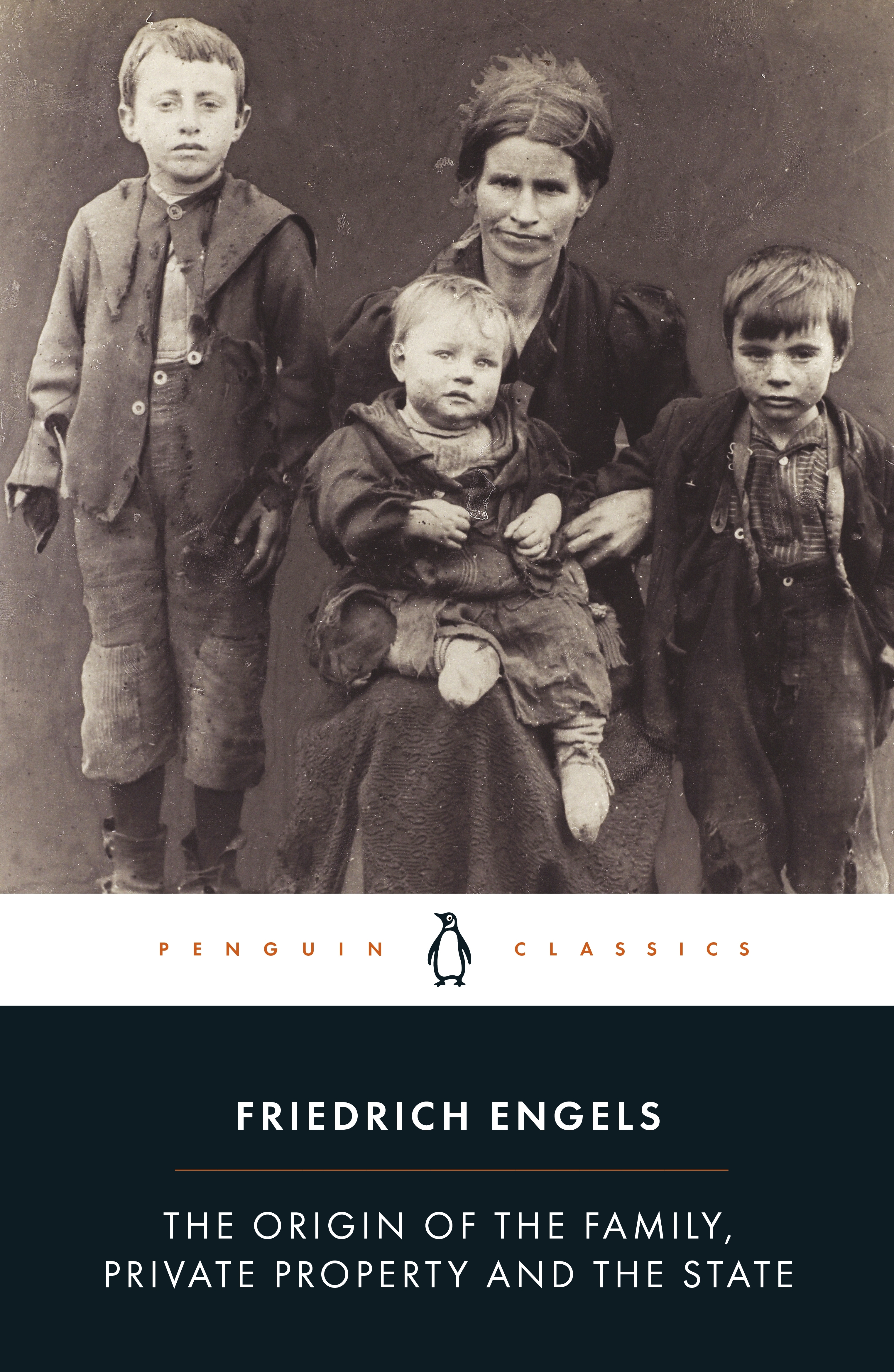
The Origin of the Family, Private Property and the State
Formats & editions
Buy from…
Penguin Classics brings this seminal work by Engels back in to print, with a new introduction by historian Tristram Hunt
The Origin of the Family, Private Property and the State (1884), was a provocative and profoundly influential critique of the Victorian nuclear family. Engels argued that the traditional monogamous household was in fact a recent construct, closely bound up with capitalist societies. Under this patriarchal system, women were servants and, effectively, prostitutes. Only Communism would herald the dawn of communal living and a new sexual freedom and, in turn, the role of the state would become superfluous.
- Published: 11 June 2010
- ISBN: 9780141191119
- Imprint: Penguin Classics
- Format: Paperback
- Pages: 240
- RRP: $27.99
Categories:
Other books in the series
The New Penguin Book Of American Short Stories, From Washington Irving To Lydia Davis
Edgar Allan Poe And Edith Wharton And Ernest Hemingway And Lydia Davis And Mark Twain And Washington Irving
A Dead Man's Memoir (A Theatrical Novel)
Mikhail Bulgakov
A Dog's Heart
Mikhail Bulgakov
The Man Who Was Thursday
G. K. Chesterton
The Black Tulip
Alexandre Dumas
The Lady of the Camellias
Alexandre Dumas fils
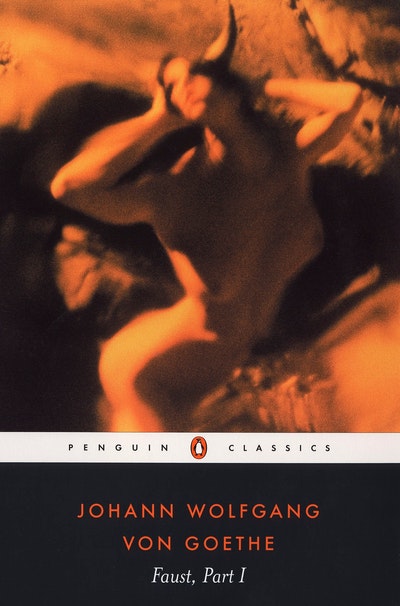
Faust, Part I
Goethe
Faust, Part II
Goethe
Selected Poetry
Goethe Johann Wolfgang Von
The Aeneid
Virgil
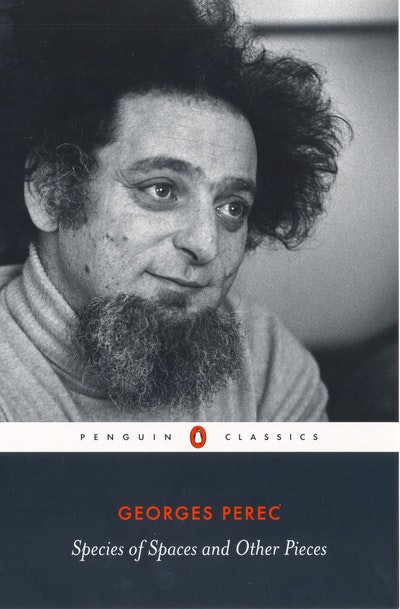
Species of Spaces and Other Pieces
Georges Perec
The Age of Alexander
Plutarch
Fall Of The Roman Republic
Plutarch
The Makers of Rome
Plutarch
On Sparta
Plutarch
The Rise And Fall of Athens
Plutarch
The Rise of Rome
Plutarch
Rome in Crisis
Plutarch
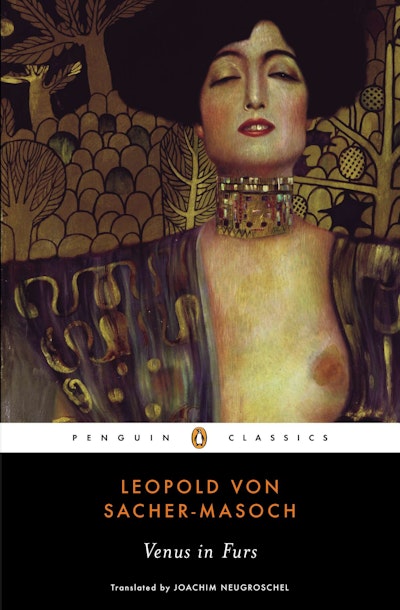
Venus in Furs
Leopold von Sacher-Masoch
Man and Superman
George Bernard Shaw
Botchan
Natsume Soseki
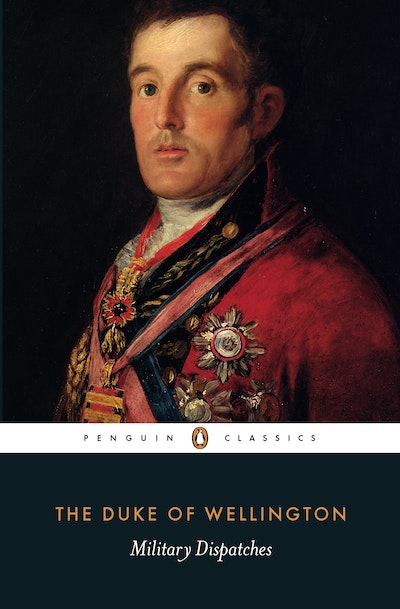
Military Dispatches
The Duke Of Wellington
Treatise On Toleration
Voltaire
About the author
Born in Westphalia in 1820, Friedrich Engels was the son of a textile manufacturer. After military training in Berlin and already a convert to communism, Engels went to Manchester in 1842 to represent the family firm. A relationship with a mill-hand, Mary Bums, and friendship with local Owenites and Chartists helped to inspire his famous early work, The Condition of the Working Class in England in 1844. Collaboration with Marx began in 1844 and in 1847 he composed the first drafts of the Manifesto. After playing an active part in the German revolutions, Engels returned to work in Manchester until 1870, when he moved to London. He not only helped Marx financially, but reinforced their shared position through his own expositions of the new theory. After Marx’s death, he prepared the unfinished volumes of Capital for publication. He died in London in 1895.