[]
- Published: 21 November 2005
- ISBN: 9780140455083
- Imprint: Penguin Classics
- Format: Paperback
- Pages: 256
- RRP: $32.99
Categories:
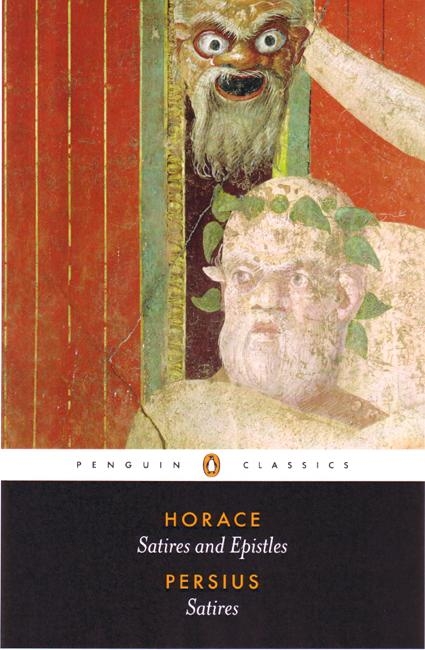
The Satires Of Horace And Persius
Formats & editions
Buy from…
Both works have had a powerful influence on later Western literature, inspiring poets from Ben Jonson and Alexander Pope to W. H. Auden and Robert Frost.
The Satires of Persius (AD 34-62) are highly idiosyncratic, containing a courageous attack on the poetry and morals of his wealthy contemporaries - even the ruling emperor, Nero.
- Published: 21 November 2005
- ISBN: 9780140455083
- Imprint: Penguin Classics
- Format: Paperback
- Pages: 256
- RRP: $32.99
Categories:
Other books in the series
The New Penguin Book Of American Short Stories, From Washington Irving To Lydia Davis
Edgar Allan Poe And Edith Wharton And Ernest Hemingway And Lydia Davis And Mark Twain And Washington Irving
A Dead Man's Memoir (A Theatrical Novel)
Mikhail Bulgakov
A Dog's Heart
Mikhail Bulgakov
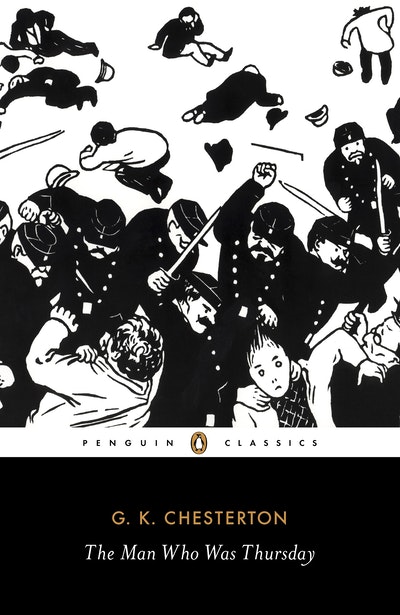
The Man Who Was Thursday
G. K. Chesterton
The Black Tulip
Alexandre Dumas
The Lady of the Camellias
Alexandre Dumas fils
Faust, Part I
Goethe
Faust, Part II
Goethe
Selected Poetry
Goethe Johann Wolfgang Von
The Aeneid
Virgil
Species of Spaces and Other Pieces
Georges Perec
The Age of Alexander
Plutarch
Fall Of The Roman Republic
Plutarch
The Makers of Rome
Plutarch
On Sparta
Plutarch
The Rise And Fall of Athens
Plutarch
The Rise of Rome
Plutarch
Rome in Crisis
Plutarch
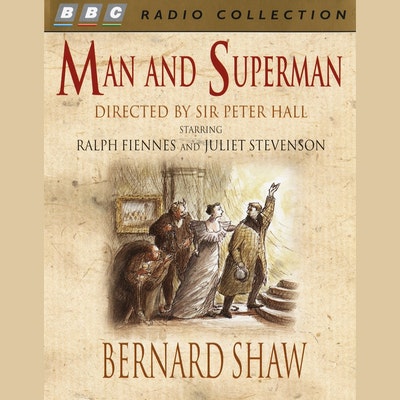
Man and Superman
George Bernard Shaw
Saint Joan
George Bernard Shaw
Botchan
Natsume Soseki
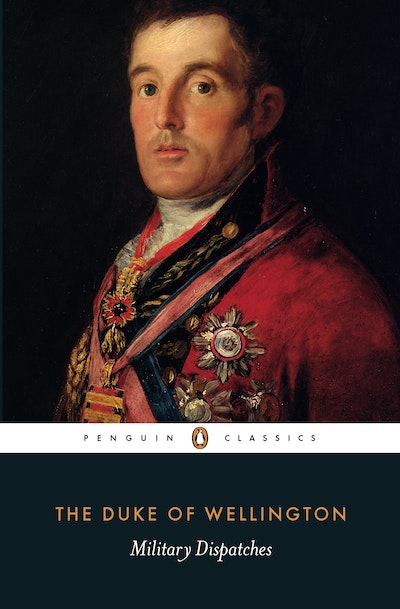
Military Dispatches
The Duke Of Wellington
Treatise On Toleration
Voltaire
About the authors
Quintus Horatius Flaccus was born in 6 B.C. at Venusia in Apulia. His father, though once a slave, had made enough money as an auctioneer to send his son to a well-known school in Rome and subsequently to university in Athens. There Horace joined Brutus’ army and served on his staff until the defeat at Philippi in 42 BC. On returning to Rome, he found that his father was dead and his property had been confiscated, but he succeeded in obtaining a secretarial post in the treasury, which gave him enough to live on. The poetry he wrote in the next few years impressed Virgil, who introduced him to the great patron Maecenas in 38 BC. This event marked the beginning of a life-long friendship. From now on Horace had no financial worries; he moved freely among the leading poets and statesmen of Rome; his work was admired by Augustus, and indeed after Virgil’s death in 19 BC he was virtually Poet Laureate. Horace died in 8 BC, only a few months after Maecenas.