[]

Play sample
- Published: 28 September 2009
- ISBN: 9780141192451
- Imprint: Penguin Classics
- Format: Hardback
- Pages: 240
- RRP: $35.00
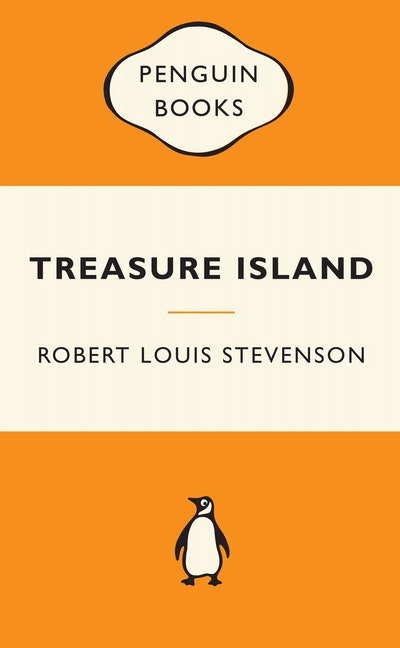
Treasure Island
Formats & editions


- Published: 28 September 2009
- ISBN: 9780141192451
- Imprint: Penguin Classics
- Format: Hardback
- Pages: 240
- RRP: $35.00
































































































































































































































































































































































































































































































Article
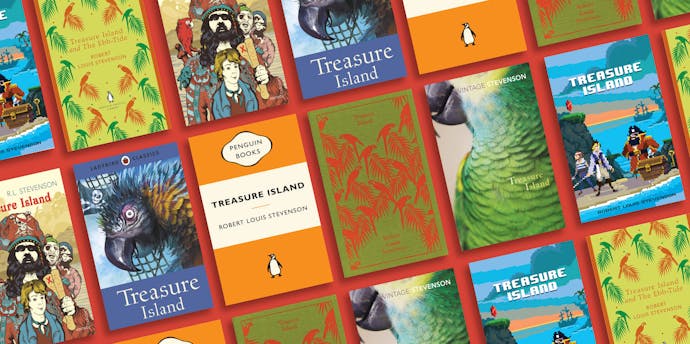
Classic of the month: Treasure Island
In January we took a voyage through time to revisit Robert Louis Stevenson’s enduring classic, Treasure Island.