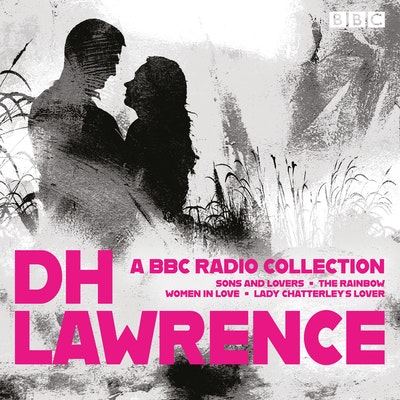
A novel which chronicles the lines of three generations of the Brangwen family and the emergence of modern England
.
Set between the 1840s and the early years of the twentieth century The Rainbow tells the story of three generations of the Brangwen family, ancient occupiers of Marsh Farm, Nottinghamshire. Through courting, pregnancy, marriage and defiance Lawrence explores love and the conflicts it brings.
D.H. Lawrence was born as David Herbert Lawrence. He was born on September 11, 1885, in Eastwood, Nottinghamshire, England, to a working-class family. His early life experiences
and the social environment he grew up in greatly influenced his writing.
In his childhood, Lawrence witnessed the struggles and tensions within his family and the surrounding mining community. His father worked as a miner, and his mother’s
unhappiness and frustrations in her marriage left a lasting impact on Lawrence. Despite the challenges, Lawrence showed an early aptitude for education and was awarded a scholarship to Nottingham High School.
Lawrence’s time at school exposed him to a broader world of literature and ideas. He excelled academically, developing a passion for literature, poetry, and art. His intellectual
pursuits led him to study classics at Nottingham University College (now the University of Nottingham) in 1906. At
university, Lawrence encountered a vibrant literary and artistic community, which further fuelled his creative aspirations.
During his university years, Lawrence began writing poetry, short stories, and essays. He explored themes of human relationships, sexuality, and the profound connection between man and nature.
After leaving university, Lawrence experienced a period of restlessness and uncertainty. He held various jobs, including working as a schoolteacher and a clerk, while continuing to
write.
His early works were not commercially successful, and he struggled financially.
However, Lawrence’s breakthrough came with the publication of his novel Sons and Lovers in 1913. It received critical acclaim for its psychological depth and vivid storytelling. The success of it marked the beginning of Lawrence’s rise to literary fame. In the years that followed, Lawrence published several
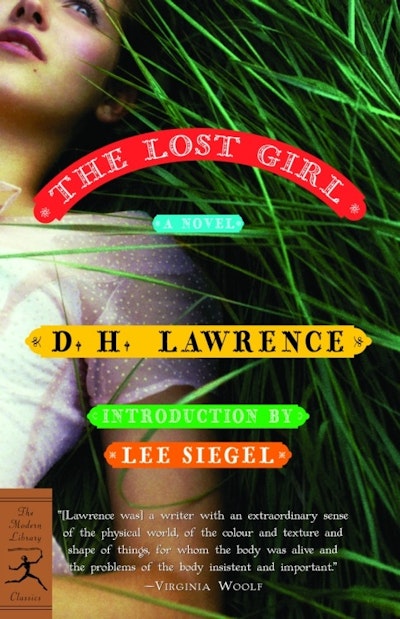
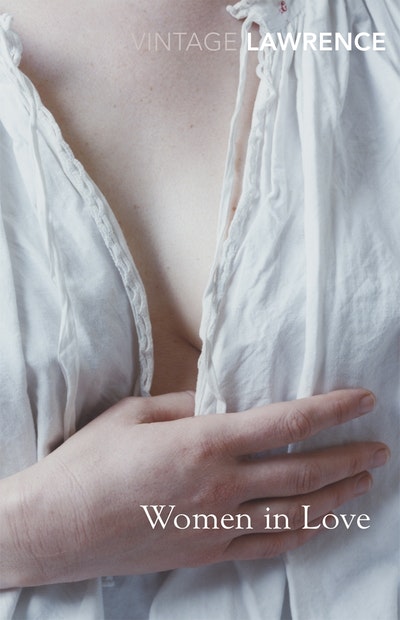
notable works, including The Rainbow (1915) and Women in Love (1920). Both faced censorship and controversy due to their explicit depictions of sexuality. Lawrence’s writing
challenged societal norms and conventions. It explored the complexities of human desires and relationships in a candid manner. Lawrence’s reputation as a groundbreaking writer grew, but he faced ongoing struggles with censorship and
public reception.
His works continued to delve into themes
of passion, individuality, and the clash between nature and industrialization. Sadly, Lawrence’s life was cut short when he succumbed to tuberculosis on March 2 1930, in Vence, France.
He was 44 at that time. His literary legacy, however, lives on, and his works have had a profound and lasting impact on 20th-century literature. D.H. Lawrence’s fearless exploration
of human emotions and the complexities of relationships continues to captivate readers to this day.
Lawrence is the most Dostoevskian of English novelists, in whose best work conflicting ideological positions are brought into play and set up against each other in dialogue that is never simply or finally resolved
David Lodge
No writer since Lawrence has been so openly governed by what seems like powerful personal likes and dislikes, grievances, and by what appear to many as untenable prejudices
Amit Chauduri
What astonished me reading it this time round is the iconoclastic modernity of the novel... the sense of daring experiment.. I had entirely forgotten what drastic steps Lawrence was taking with character, for instance. Or with narrative (the novel proceeds cyclically). When this is combined with sexual overtness and a revolutionary call for the individual to achieve "Me-ness" in opposition to the nation, industry and war, we have a book that, appearing as it did in 1915, seemed genuinely disturbing
Adam Thorpe, Guardian
Our top books, exclusive content and competitions. Straight to your inbox.
Thank you! Please check your inbox and confirm your email address to finish signing up.