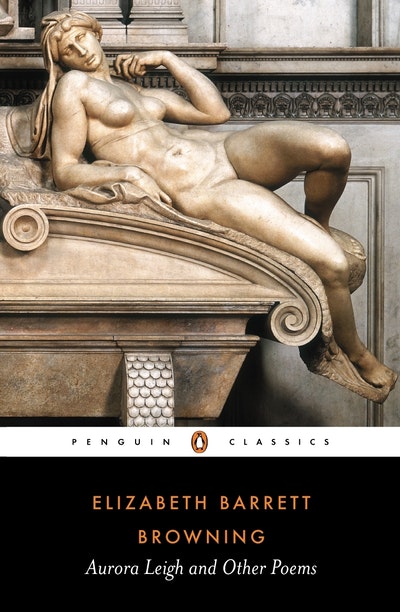
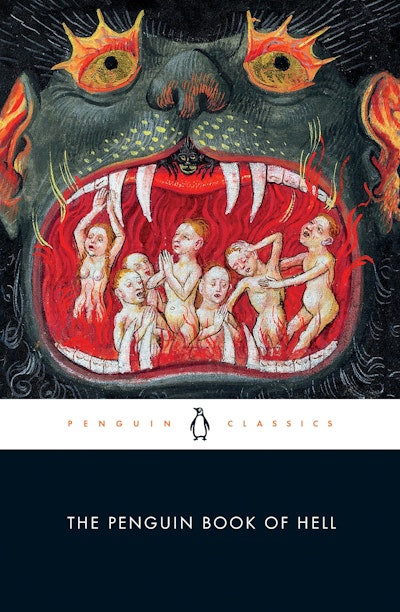
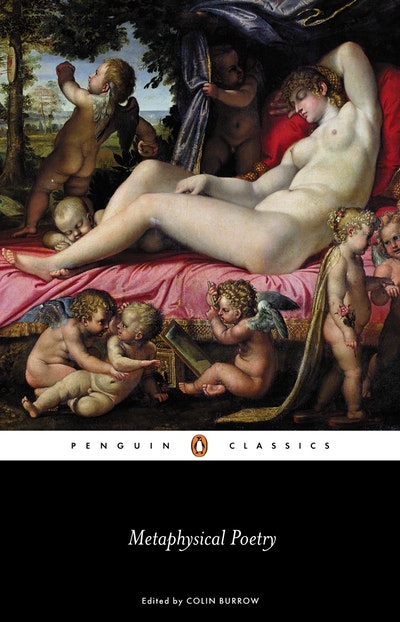
[]

Play sample
- Published: 29 August 2011
- ISBN: 9780143566328
- Imprint: Penguin Press
- Format: Paperback
- Pages: 254
- RRP: $15.99
Meditations
Formats & editions


- Published: 29 August 2011
- ISBN: 9780143566328
- Imprint: Penguin Press
- Format: Paperback
- Pages: 254
- RRP: $15.99