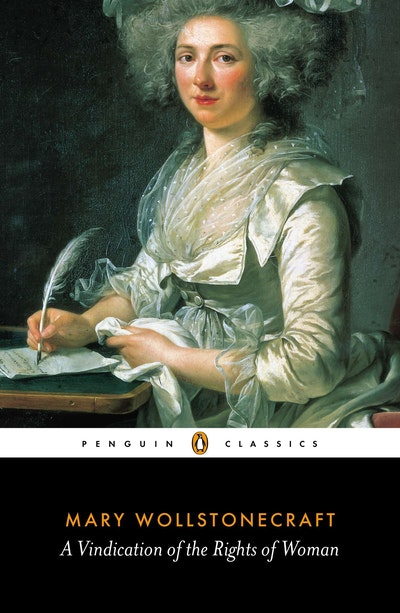
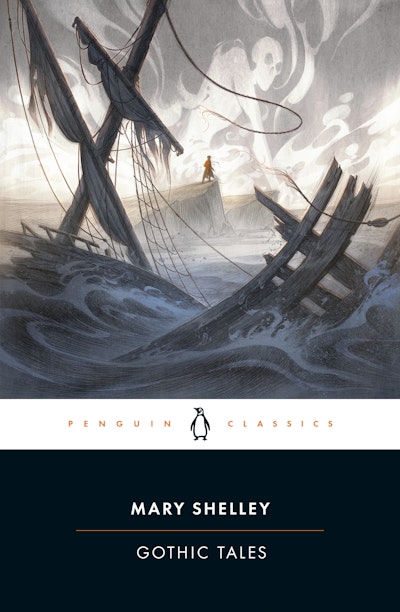
These three works of fiction - two by Mary Wollstonecraft, the radical author of A Vindication of the Rights of Woman, and one by her daughter Mary Shelley, creator of Frankenstein - are powerfully emotive stories that combine passion with forceful feminist argument. In Mary Wollstonecraft's Mary, the heroine flees her young husband in order to nurse her dearest friend, Ann, and finds genuine love, while Maria tells of a desperate young woman who seeks consolation in the arms of another man after the loss of her child. And Mary Shelley's Matilda - suppressed for over a century - tells the story of a woman alienated from society by the incestuous passion of her father. Humane, compassionate and highly controversial, these stories demonstrate the strongly original genius of their authors.
Mary Shelley was born in London in 1797, the daughter of two of the era’s most radical writers: William Godwin, the anarchist utopian, and feminist Mary Wollstonecraft, who died from the childbirth. After a difficult childhood under a demanding stepmother, she ran off to the Continent at age 17 with her father’s wealthy—and married—benefactor, the poet Percy Bysshe Shelley, although they did not get married until the suicide of Shelley’s wife two years later. Despite close intellectual bonds the marriage was unhappy, due to Percy Shelley’s regular campaigning for open “utopian” sexual relationships (with her sister, for one), and the deaths of three out of their four children. In 1817, while visiting Lord Byron at Lake Geneva, the three challenged one another to write a horror story. The result from Mary was the novel Frankenstein, an instant popular (although not critical) success. Four years later her peripatetic husband drowned in a boating accident. Mary Shelley never remarried, but she continued on as a successful writer until her death in London in 1851.