> Skip to content
[]
Play sample
  • Published: 15 April 2003
  • ISBN: 9780553210095
  • Imprint: Bantam Dell
  • Format: Paperback
  • Pages: 256
  • RRP: $12.99
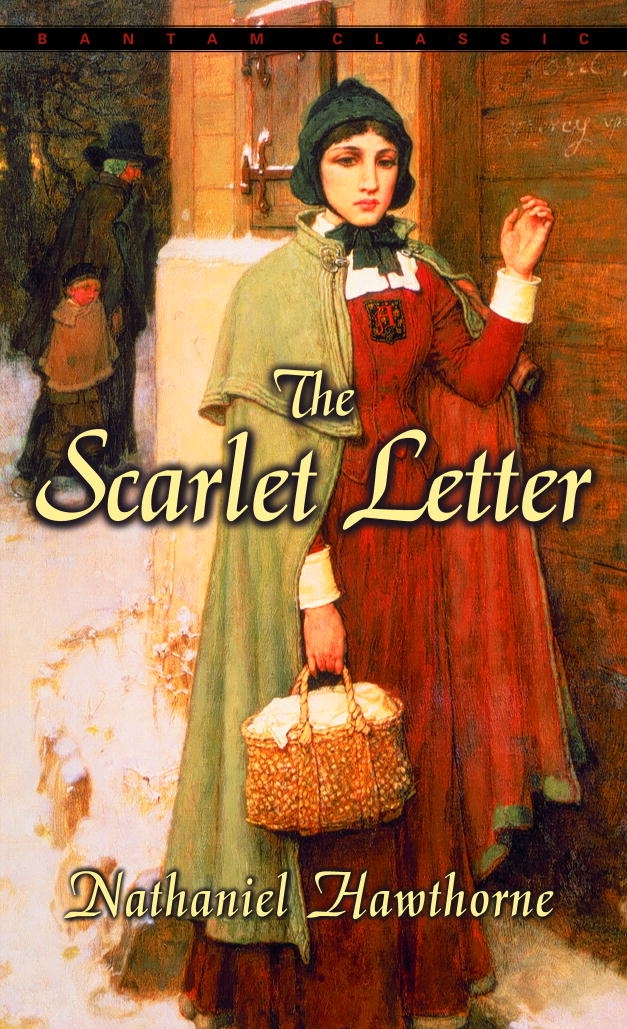
The Scarlet Letter


Hailed by Henry James as "the finest piece of imaginative writing yet put forth in the country," Nathaniel Hawthorne's The Scarlet Letter reaches to our nation's historical and moral roots for the material of great tragedy. Set in an early New England colony, the novel shows the terrible impact a single, passionate act has on the lives of three members of the community: the defiant Hester Prynne; the fiery, tortured Reverend Dimmesdale; and the obsessed, vengeful Chillingworth.

With The Scarlet Letter, Hawthorne became the first American novelist to forge from our Puritan heritage a universal classic, a masterful exploration of humanity's unending struggle with sin, guilt and pride.

  • Published: 15 April 2003
  • ISBN: 9780553210095
  • Imprint: Bantam Dell
  • Format: Paperback
  • Pages: 256
  • RRP: $12.99

Other books in the series

The New Penguin Book Of American Short Stories, From Washington Irving To Lydia Davis
The Black Tulip
The Lady of the Camellias
Selected Poetry
Venus in Furs
Man and Superman
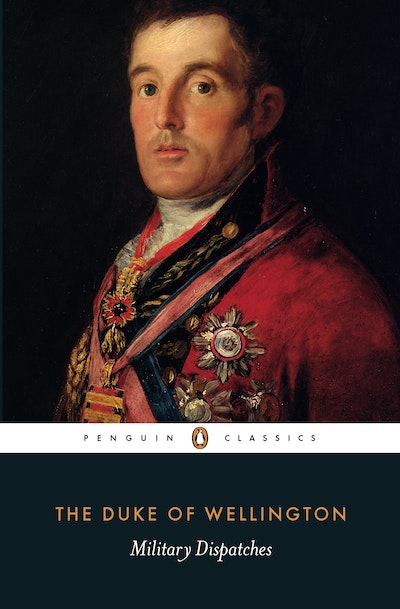
Military Dispatches
The Prelude

About the author

Nathaniel Hawthorne

Nathaniel Hawthorne was born on July 4, 1804, in Salem, Massachusetts, the son and grandson of proud New England seafarers. He lived in genteel poverty with his widowed mother and two young sisters in a house filled with Puritan ideals and family pride in a prosperous past. His boyhood was, in most respects, pleasant and normal. In 1825 he was graduated from Bowdoin College, Brunswick, Maine, and he returned to Salem determined to become a writer of short stories. For the next twelve years he was plagued with unhappiness and self-doubts as he struggled to master his craft. He finally secured some small measure of success with the publication of his Twice-Told Tales (1837). His marriage to Sophia Peabody in 1842 was a happy one. The Scarlet Letter (1850), which brought him immediate recognition, was followed by The House of the Seven Gables (1851). After serving four years as the American Consul in Liverpool, England, he traveled in Italy; he returned home to Massachusetts in 1860. Depressed, weary of writing, and failing in health, he died on May 19, 1864, at Plymouth, New Hampshire.

Also by Nathaniel Hawthorne

See all