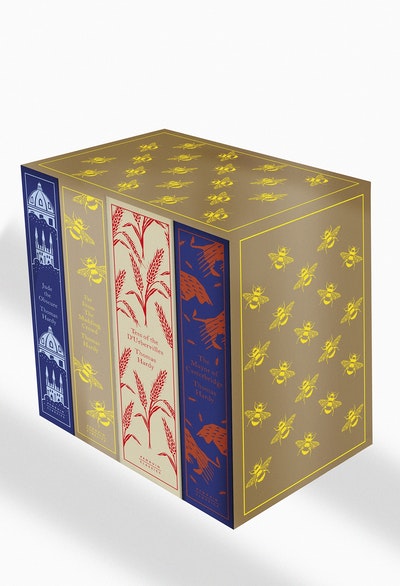
- Published: 5 September 2006
- ISBN: 9781101141830
- Imprint: PEN US eBook Adult
- Format: EBook
- Pages: 432
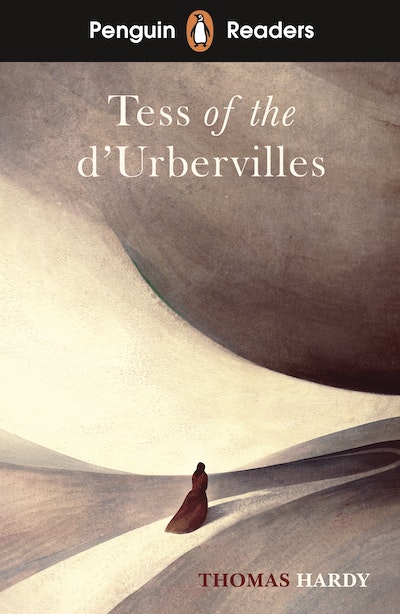
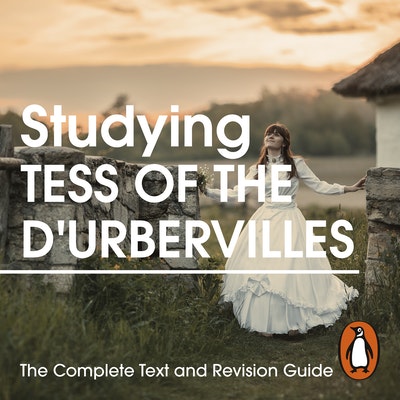
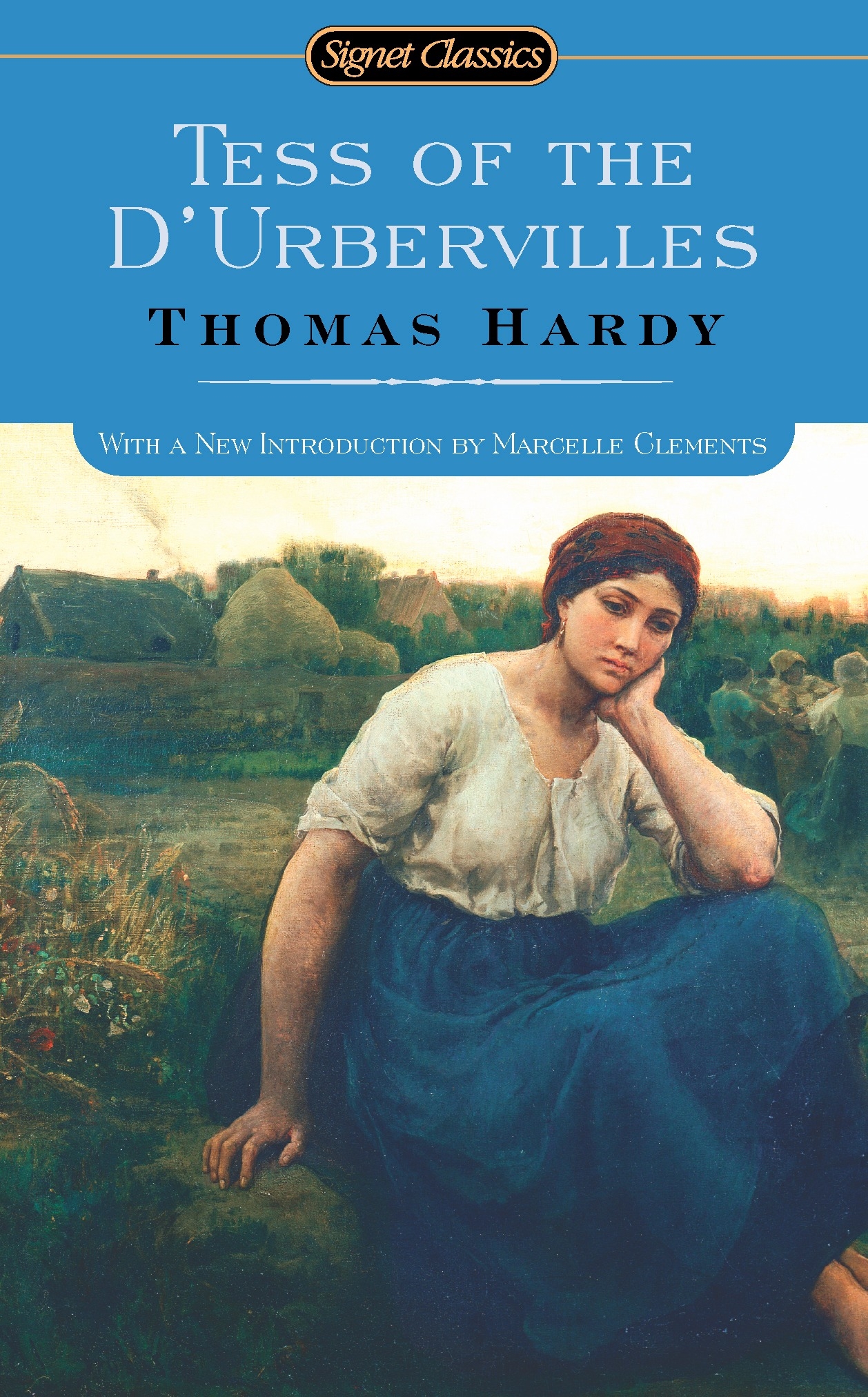
Tess of the D'Urbervilles
The new paperback series: Penguin English Library
An intimate portrait of a woman, one of literature's most admirable and tragic heroines...
Tess Durbeyfield knows what it is to work hard and expect little. But her life is about to veer from the path trod by her mother and grandmother. When her ne’er-do-well father learns that his family is the last of a long noble line, the d’Urbervilles, he sends Tess on a journey to meet her supposed kin—a journey that will see her victimized by lust, poverty, and hypocrisy. Shaped by an acute sense of social injustice and by a vision of human fate cosmic in scope, her story is a singular blending of harsh realism and poignant beauty. Thomas Hardy created in Tess not a standard Victorian heroine but a woman whose intense vitality shines against the bleak backdrop of a dying way of life. The novel shocked contemporary readers with its honesty and remains a timeless commentary on the human condition.
With an Introduction by Marcelle Clements
- Published: 5 September 2006
- ISBN: 9781101141830
- Imprint: PEN US eBook Adult
- Format: EBook
- Pages: 432
Other books in the series
About the author
Thomas Hardy was born in a cottage in Higher Bockhampton, near Dorchester, on 2 June 1840. He was educated locally and at sixteen was articled to a Dorchester architect, John Hicks. In 1862 he moved to London and found employment with another architect, Arthur Blomfield. He now began to write poetry and published an essay. By 1867 he had returned to Dorset to work as Hicks's assistant and began his first (unpublished) novel, The Poor Man and the Lady.
On an architectural visit to St Juliot in Cornwall in 1870 he met his first wife, Emma Gifford. Before their marriage in 1874 he had published four novels and was earning his living as a writer. More novels followed and in 1878 the Hardys moved from Dorset to the London literary scene. But in 1885, after building his house at Max Gate near Dorchester, Hardy again returned to Dorset. He then produced most of his major novels: The Mayor of Casterbridge (1886), The Woodlanders (1887), Tess of the D'Urbervilles (1891), The Pursuit of the Well-Beloved (1892) and Jude the Obscure (1895). Amidst the controversy caused by Jude the Obscure, he turned to the poetry he had been writing all his life. In the next thirty years he published over nine hundred poems and his epic drama in verse, The Dynasts.
After a long and bitter estrangement, Emma Hardy died at Max Gate in 1912. Paradoxically, the event triggered some of Hardy's finest love poetry. In 1914, however, he married Florence Dugdale, a close friend for several years. In 1910 he had been awarded the Order of Merit and was recognized, even revered, as the major literary figure of the time. He died on 11 January 1928. His ashes were buried in Westminster Abbey and his heart at Stinsford in Dorset.