> Skip to content
[]
  • Published: 29 June 2006
  • ISBN: 9780141922164
  • Imprint: Penguin eBooks
  • Format: EBook
  • Pages: 256

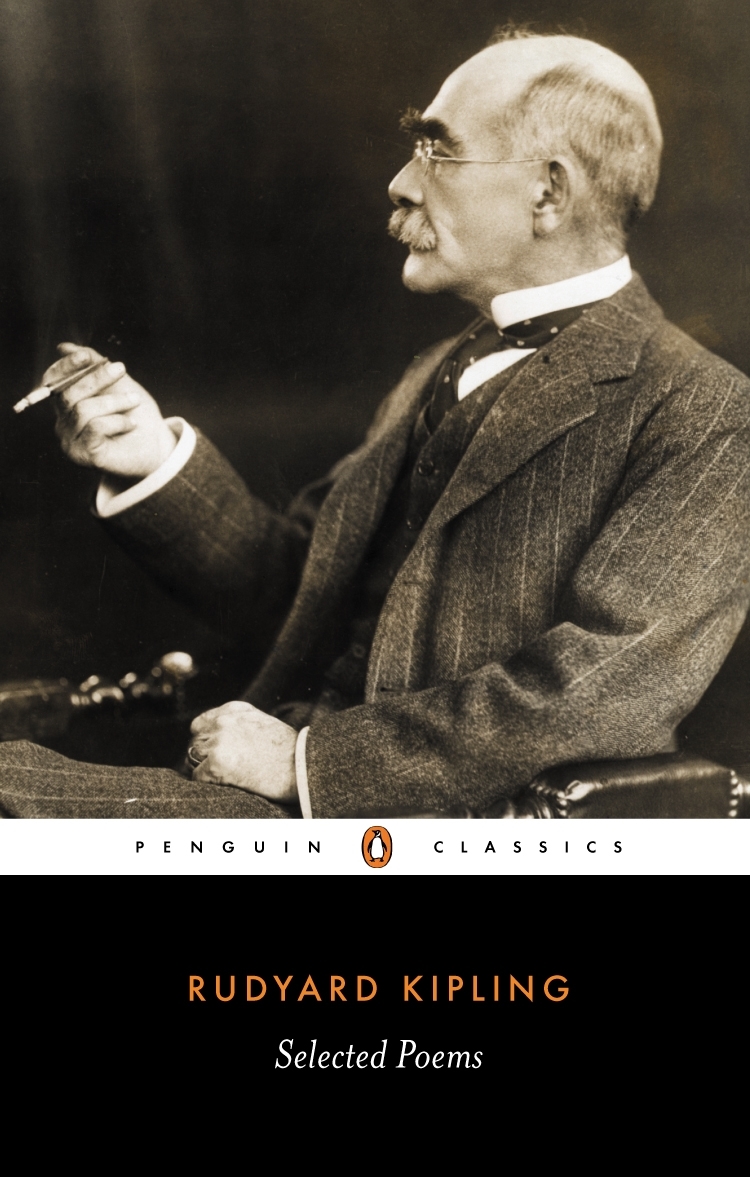
Selected Poems


\"I have come to have a feeling, almost a superstition, that it is a kind of obligation laid upon me to testify for Rudyard Kipling whenever the opportunity presents itself\", T. S. Eliot

Rudyard Kipling (1865-1936) is often regarded as the unofficial Laureate of the British Empire. Yet his writing reveals a ferociously independent figure at times violently opposed to the dominant political and literary tendencies of his age. Arranged in chronological order, this diverse selection of his poetry shows the development of Kipling's talent, his deepening maturity and the growing sombreness of his poetic vision. Ranging from early, exhilarating celebrations of British expansion overseas, including 'Mandalay' and 'Gunga Din', to the dignified and inspirational 'If -' and the later, deeply moving 'Epitaphs of the War' - inspired by the death of Kipling's only son - it clearly illustrates the scope and originality of his work. It also offers a compelling insight into the Empire both at its peak and during its decline in the early years of the twentieth century.

  • Published: 29 June 2006
  • ISBN: 9780141922164
  • Imprint: Penguin eBooks
  • Format: EBook
  • Pages: 256
Other books in the series

The New Penguin Book Of American Short Stories, From Washington Irving To Lydia Davis
A Dog's Heart
The Black Tulip
The Lady of the Camellias
Selected Poetry
On Sparta
Man and Superman
Saint Joan
Botchan
Military Dispatches

About the author

Rudyard Kipling

Rudyard Kipling was born in Bombay, India, to British parents on December 30, 1865. In 1871 Rudyard and his sister, Trix, aged three, were left to be cared for by a couple in Southsea, England. Five years passed before he saw his parents again. His sense of desertion and despair were later expressed in his story "Baa Baa, Black Sheep" (1888), in his novel The Light That Failed (1890), and in his autobiography, Something of Myself (1937). As late as 1935, Kipling still spoke bitterly of the "House of Desolation" at Southsea: "I should like to burn it down and plough the place with salt." Kipling and his wife settled in Brattleboro, Vermont, where Kipling wrote The Jungle Book (1894), The Second Jungle Book (1895), and most of Captains Courageous (1897). By this time Kipling's popularity and financial success were enormous. In 1899 the Kiplings settled in Sussex, England, where he wrote some of his best books: Kim (1901), Just So Stories (1902), and Puck of Pook's Hill (1906). In 1907 he received the Nobel Prize for Literature. By the time he died, on January 18, 1936, critical opinion was deeply divided about his writings, but his books continue to be read by thousands.

Also by Rudyard Kipling

See all