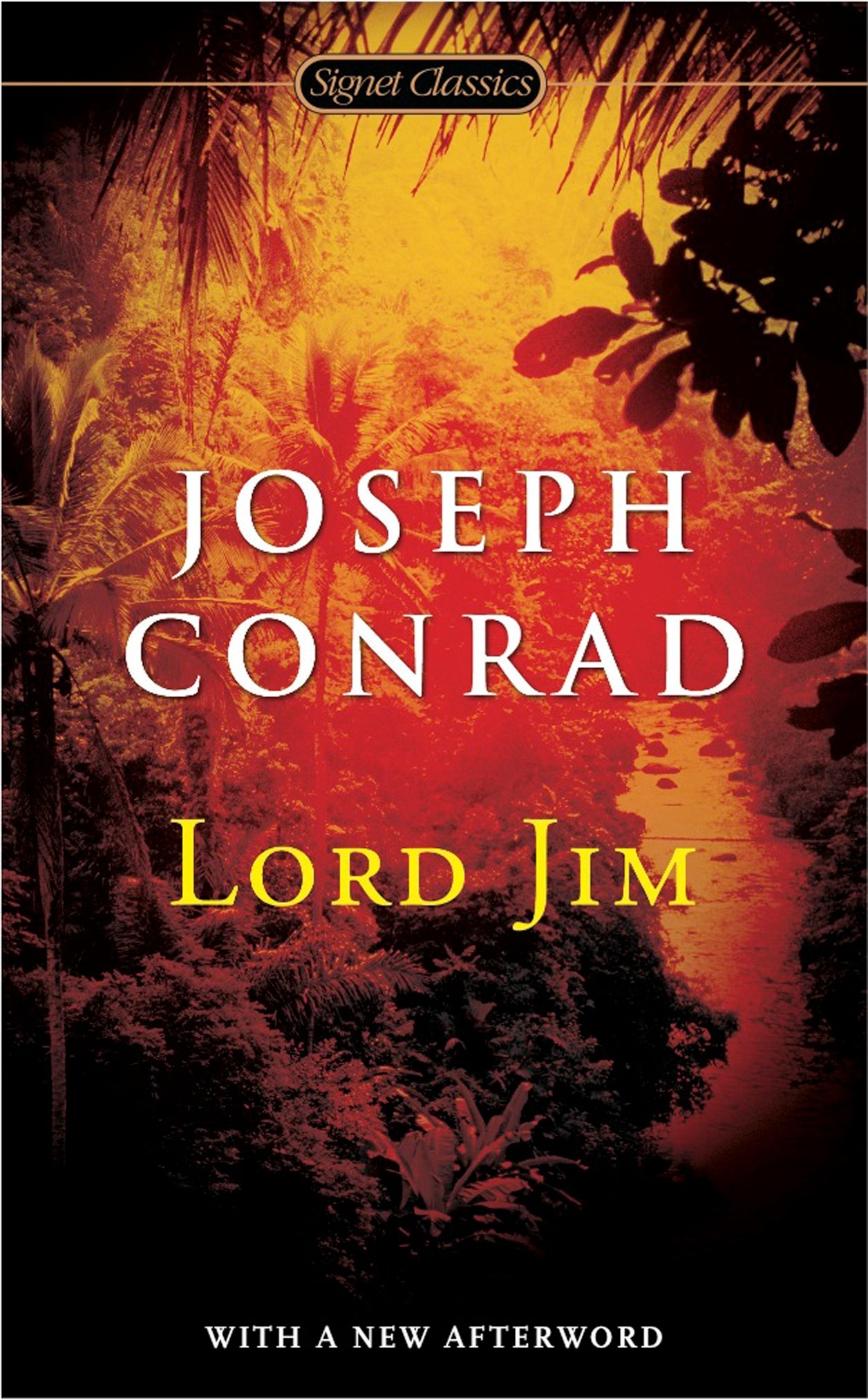
- Published: 2 June 2009
- ISBN: 9781101060087
- Imprint: PEN US eBook Adult
- Format: EBook
- Pages: 352
Lord Jim
Part of a series of new editions of Conrad's most famous novels in Black Classics
This immortal novel of the sea tells the story of a British sailor haunted by a single youthful act of cowardly betrayal. To the white men in Bombay, Calcutta, and Rangoon, Jim is a man of mystery. To the primitive natives deep in the Malayan jungle, he is a god gifted with supernatural powers. To the beautiful half-caste girl who flees to his hut for protection, he is a lord to be feared and loved.
Lord Jim—Conrad’s classic portrait of a man’s guilt, his search for forgiveness, and his final, tragic redemption—is a work of enduring value and one of the world’s great masterpieces.
- Published: 2 June 2009
- ISBN: 9781101060087
- Imprint: PEN US eBook Adult
- Format: EBook
- Pages: 352
Other books in the series
About the author
Joseph Conrad (originally Józef Teodor Konrad Nalecz Korzeniowski) was born in the Ukraine in 1857 and grew up under Tsarist autocracy. His parents, ardent Polish patriots, died when he was a child, following their exile for anti-Russian activities, and he came under the protection of his tradition-conscious uncle, Thaddeus Bobrowski, who watched over him for the next twenty-five years.
In 1874 Bobrowski conceded to his nephew's passionate desire to go to sea, and Conrad travelled to Marseilles, where he served in French merchant vessels before joining a British ship in 1878 as an apprentice.
In 1886 he obtained British nationality and his Master's certificate in the British Merchant Service. Eight years later he left the sea to devote himself to writing, publishing his first novel, Almayer's Folly, in 1895. The following year he married Jessie George and eventually settled in Kent, where he produced within fifteen years such modern classics as Youth, Heart of Darkness, Lord Jim, Typhoon, Nostromo, The Secret Agent and Under Western Eyes.
He continued to write until his death in 1924. Today Conrad is generally regarded as one of the greatest writers of fiction in English - his third language. He once described himself as being concerned 'with the ideal value of things, events and people'; in the Preface to The Nigger of the 'Narcissus' he defined his task as 'by the power of the written word ... before all, to make you see'.