> Skip to content
[]
  • Published: 28 August 1998
  • ISBN: 9781857152395
  • Imprint: Everyman
  • Format: Hardback
  • Pages: 1472
  • RRP: $55.00
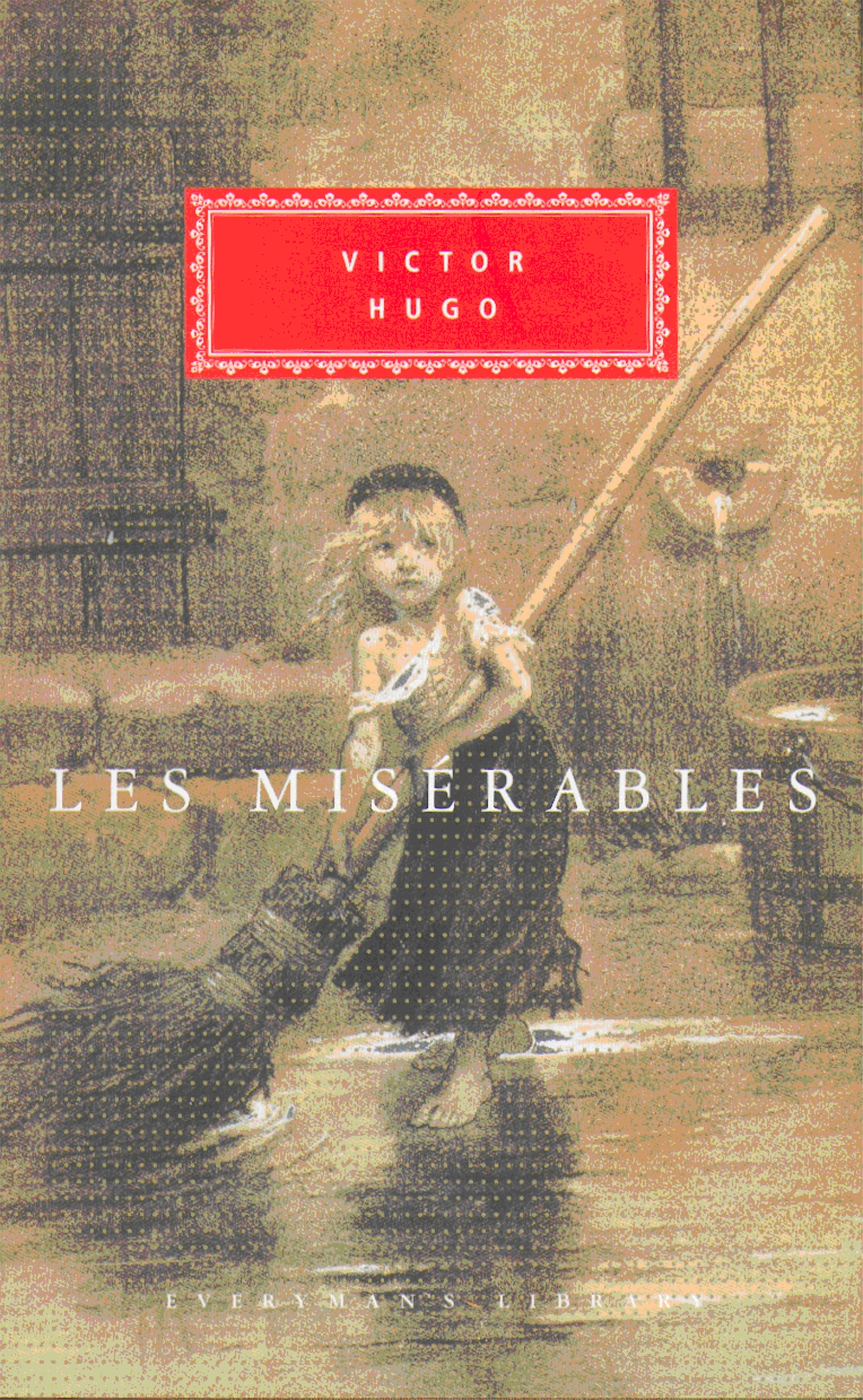
Les Miserables


NOW A MAJOR BBC TV ADAPTATION

'Still grips the reader with its epic-narrative sweep and all-embracing humanitarianism' Douglas Kennedy, Sunday Times

Tolstoy is said to have called Les Miserables the greatest novel ever written, and it exerted a powerful influence on the creation of War and Peace. At one level a detective story in which the relentless Inspector Javert obsessively pursues the escaped convict Jean Valjean, culminating in a dramatic chase through the sewers of Paris, at another level Hugo's masterpiece is a drama of crime, punishment and rehabilitation set against a panoramic description of French society in the years after Napoleon's fall from power. But this book is also about the metaphysical struggle between good and evil in the soul of every man and every community. Coloured by Hugo's distinctive philosophy, it is a plea for social justice, political enlightenment and personal charity which continues to speak with the undiminished authority more than a century after its first appearance.

  • Published: 28 August 1998
  • ISBN: 9781857152395
  • Imprint: Everyman
  • Format: Hardback
  • Pages: 1472
  • RRP: $55.00
Other books in the series

A Dog's Heart
The Black Tulip
The Lady of the Camellias
Selected Poetry
On Sparta
Man and Superman
Saint Joan
Botchan
Kusamakura
Military Dispatches

About the author

Victor Hugo

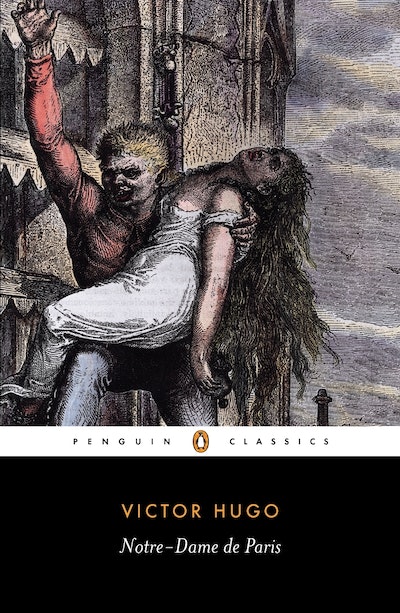
Victor Hugo (1802–1885), novelist, poet, playwright, and French national icon, is best known for two of today’s most popular world classics: Les Misérables and The Hunchback of Notre-Dame, as well as other works, including The Toilers of the Sea and The Man Who Laughs. Hugo was elected to the Académie Française in 1841. As a statesman, he was named a Peer of France in 1845. He served in France’s National Assemblies in the Second Republic formed after the 1848 revolution, and in 1851 went into self-imposed exile upon the ascendance of Napoleon III, who restored France’s government to authoritarian rule. Hugo returned to France in 1870, after the proclamation of the Third Republic.

Also by Victor Hugo

See all