- Published: 15 November 1992
- ISBN: 9781857150964
- Imprint: Everyman
- Format: Hardback
- Pages: 1744
- RRP: $160.00
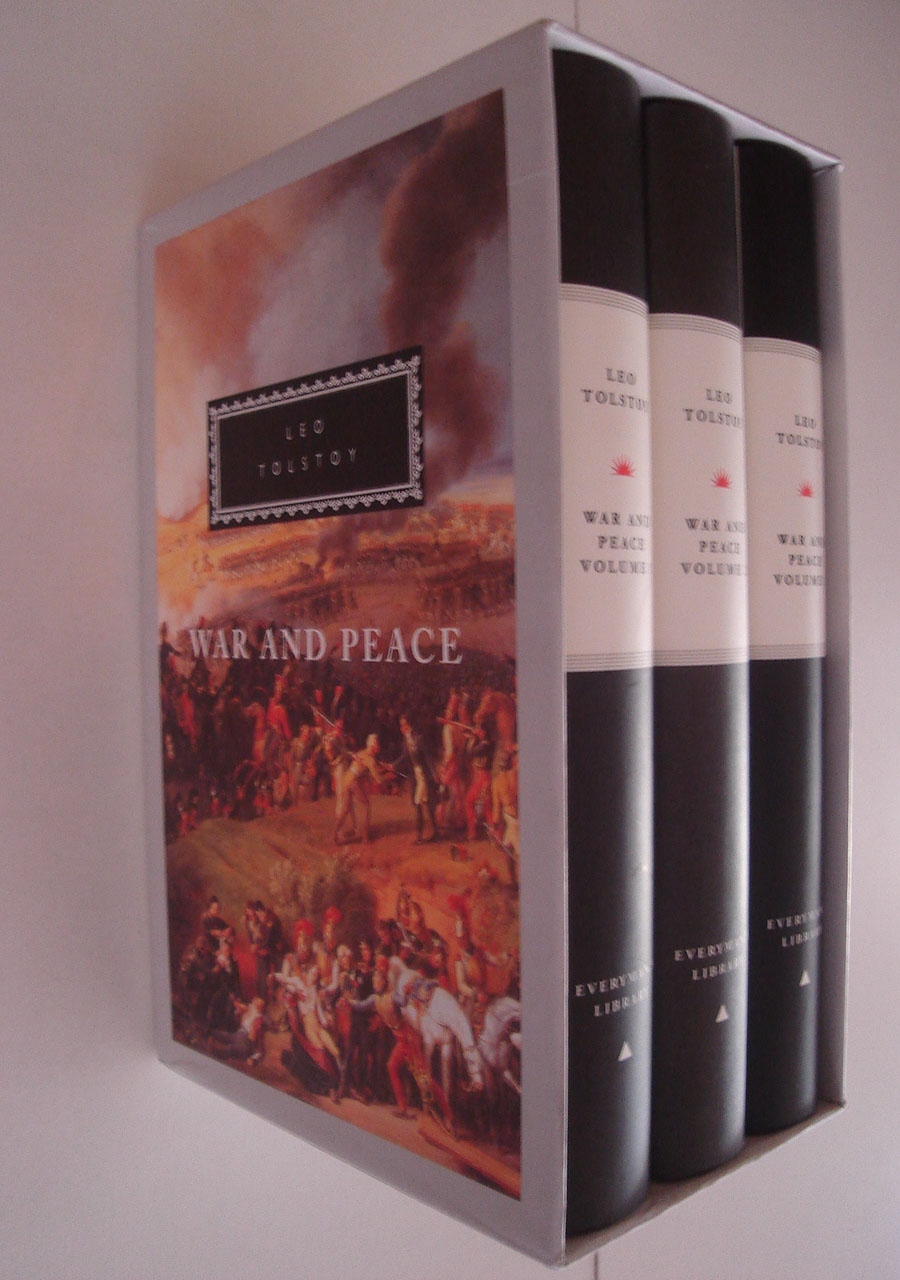
War and Peace
This indispensable translation is as close to the original as it is possible to get while at the same time being a clear and fluid rendering of the Russian.
'If you've never read it, now is the moment. This translation will show that you don't read War and Peace, you live it' The Times
Tolstoy's enthralling epic depicts Russia's war with Napoleon and its effects on the lives of those caught up in the conflict. He creates some of the most vital and involving characters in literature as he follows the rise and fall of families in St Petersburg and Moscow who are linked by their personal and political relationships. His heroes are the thoughtful yet impulsive Pierre Bezukhov, his ambitious friend, Prince Andrei, and the woman who becomes indispensable to both of them, the enchanting Natasha Rostov.
‘It is simply the greatest novel ever written. All human life is in it. If I were told there was time to read only a single book, this would be it’ Andrew Marr
TRANSLATED BY RICHARD PEVEAR AND LARISSA VOLOKHONSKY
- Published: 15 November 1992
- ISBN: 9781857150964
- Imprint: Everyman
- Format: Hardback
- Pages: 1744
- RRP: $160.00
Other books in the series
About the author
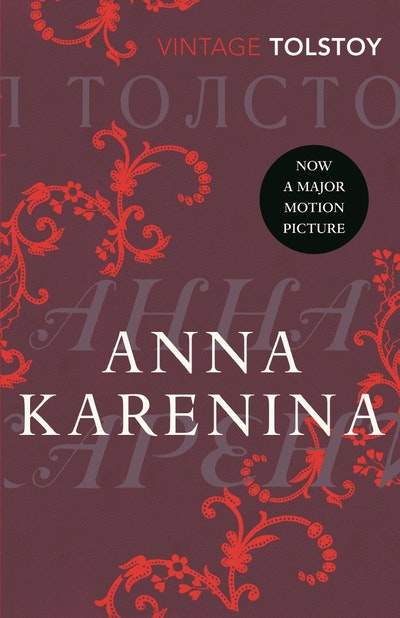
Leo Tolstoy was born in central Russia in 1828. He studied Oriental languages and law (although failed to earn a degree in the latter) at the University of Kazan, and after a dissolute youth eventually joined an artillery regiment in the Caucasus in 1851. He took part in the Crimean War, and the Sebastopol Sketches that emerged from it established his reputation. After living for some time in St Petersburg and abroad, he married Sophie Behrs in 1862 and they had thirteen children. The happiness this brought him gave him the creative impulse for his two greatest novels, War and Peace (1869) and Anna Karenina (1877). Later in life his views became increasingly radical as he gave up his possessions to live a simple peasant life. After a quarrel with his wife he fled home secretly one night to seek refuge in a monastery. He became ill during this dramatic flight and died at the small railway station of Astapovo in 1910.