- Published: 5 June 2007
- ISBN: 9781101003831
- Imprint: PEN US eBook Adult
- Format: EBook
- Pages: 1456
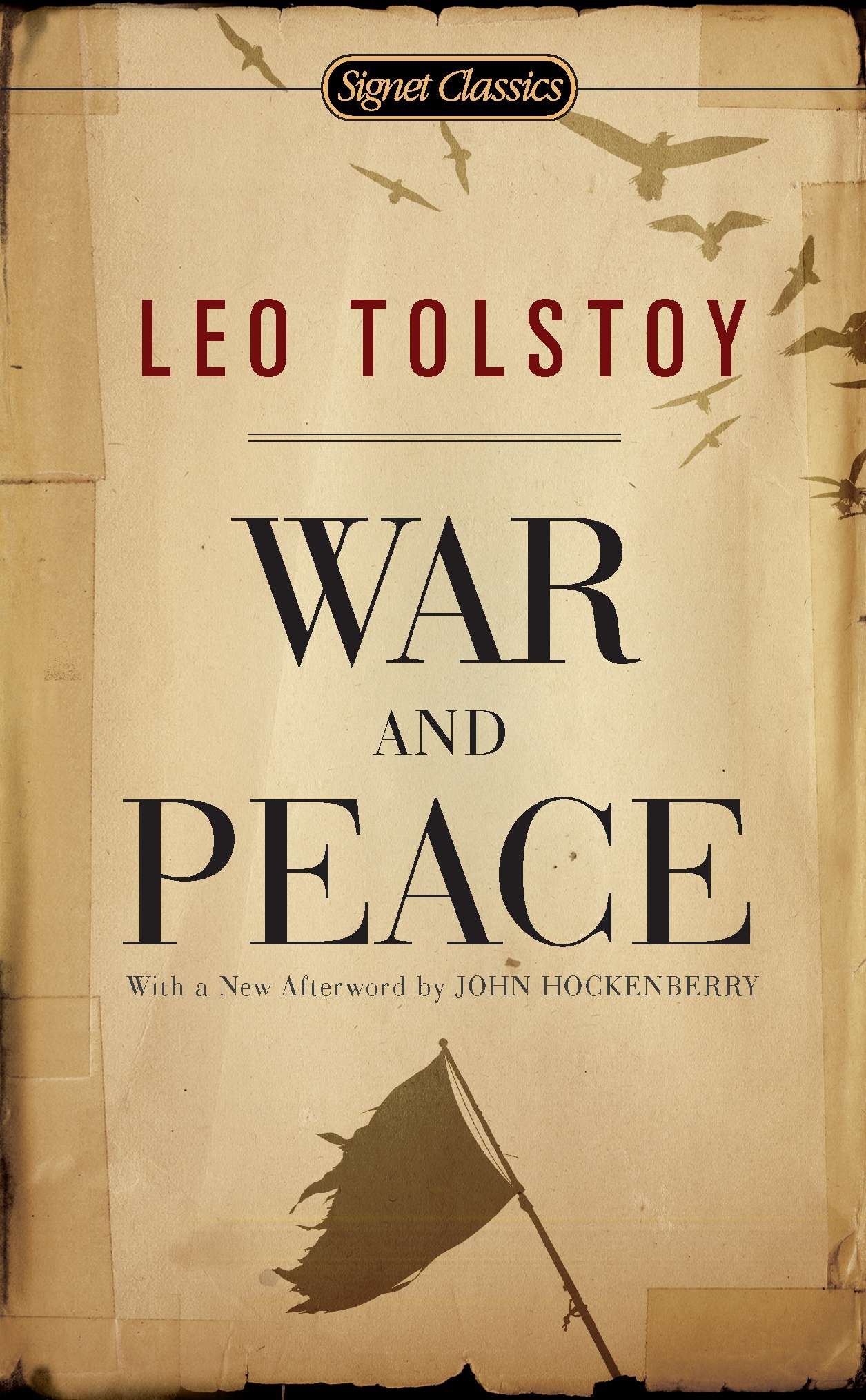
War and Peace
This indispensable translation is as close to the original as it is possible to get while at the same time being a clear and fluid rendering of the Russian.
Leo Tolstoy's grand masterpiece—a timeless saga of family, love, and loss in Russia surrounding the War of 1812.
“The greatest of all novelists...what else can we call the author of War and Peace?” asked Virginia Woolf rhetorically—and literary luminaries the world over have agreed with her. The saga stands alone in its vast scope and minute detail, its immense diversity and final unity. Set in the years leading up to and culminating in Napoleon’s disastrous Russian invasion, the novel focuses upon an entire society torn by conflict and change. Here is humanity in all its innocence and corruption, wisdom and folly, painful defeats and enduring triumphs. Here is the seemingly effortless artistry of a master capable of portraying with equal power the clash of armies and the solitary anguish of the heart. Here, finally, is a view of history and personal destiny that is perpetually modern.
Complete and Unabridged
Translated by Ann Dunnigan
Includes an Introduction by Pat Conroy
And an Afterword by John Hockenberry
- Published: 5 June 2007
- ISBN: 9781101003831
- Imprint: PEN US eBook Adult
- Format: EBook
- Pages: 1456
Other books in the series
About the author
Leo Tolstoy was born in central Russia in 1828. He studied Oriental languages and law (although failed to earn a degree in the latter) at the University of Kazan, and after a dissolute youth eventually joined an artillery regiment in the Caucasus in 1851. He took part in the Crimean War, and the Sebastopol Sketches that emerged from it established his reputation. After living for some time in St Petersburg and abroad, he married Sophie Behrs in 1862 and they had thirteen children. The happiness this brought him gave him the creative impulse for his two greatest novels, War and Peace (1869) and Anna Karenina (1877). Later in life his views became increasingly radical as he gave up his possessions to live a simple peasant life. After a quarrel with his wife he fled home secretly one night to seek refuge in a monastery. He became ill during this dramatic flight and died at the small railway station of Astapovo in 1910.