[]
- Published: 4 January 2007
- ISBN: 9780141966304
- Imprint: Penguin eBooks
- Format: EBook
- Pages: 224
The Shooting Party
Formats & editions
Buy from…
A masterpiece of historical fiction, and the inspiration behind Downton Abbey
It is 1913 - a breath away from the Great War - and Edwardian England is about to vanish into history. An assorted group of men and women gather at Sir Randolph Nettleby's estate for a shooting party. Opulent, adulterous, moving assuredly through the rituals of eating and slaughter, they are an era's dazzlingly obtuse and brilliantly decorative finale.
A quiet, elegant meditation on class frustration and the transience of human concern, The Shooting Party is also the inspiration behind one of the great landmarks of popular culture - Downtown Abbey.
- Published: 4 January 2007
- ISBN: 9780141966304
- Imprint: Penguin eBooks
- Format: EBook
- Pages: 224
Other books in the series
Russian Thinkers
Isaiah Berlin
The New Penguin Book Of American Short Stories, From Washington Irving To Lydia Davis
Edgar Allan Poe And Edith Wharton And Ernest Hemingway And Lydia Davis And Mark Twain And Washington Irving
When You Are Old
William Butler Yeats
The Voyage of the Beagle
Charles Darwin
The Black Tulip
Alexandre Dumas
The Lady of the Camellias
Alexandre Dumas fils
The Good Soldier
Ford Madox Ford
Faust, Part I
Goethe
Faust, Part II
Goethe
Selected Poetry
Goethe Johann Wolfgang Von
The Nibelungenlied
Hatto A T
Volpone and Other Plays
Ben Jonson
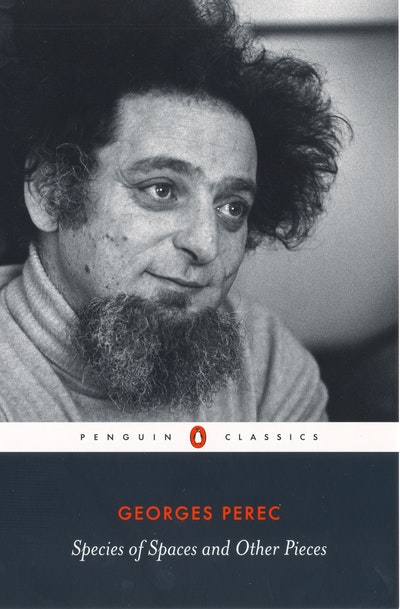
Species of Spaces and Other Pieces
Georges Perec
Man and Superman
George Bernard Shaw
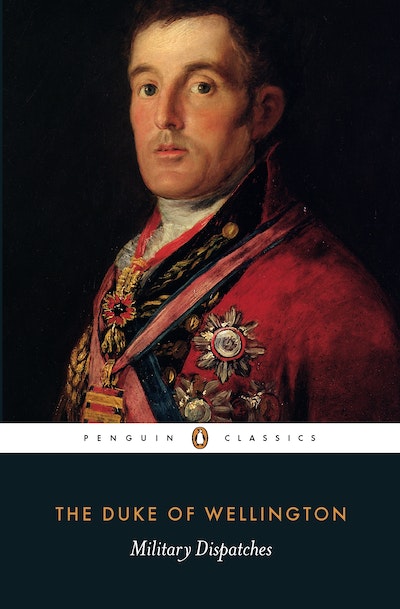
Military Dispatches
The Duke Of Wellington
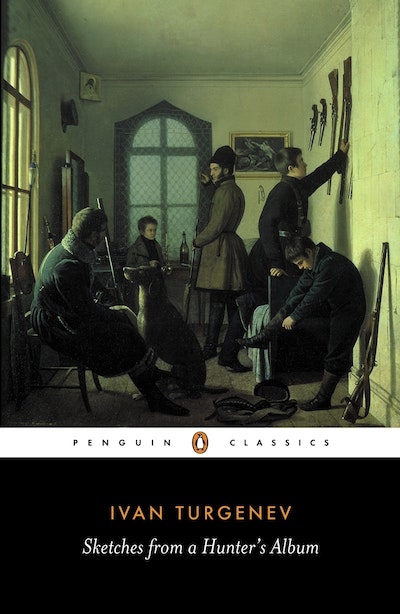
Sketches from a Hunter's Album
Ivan Turgenev
The Prelude
William Wordsworth
About the author
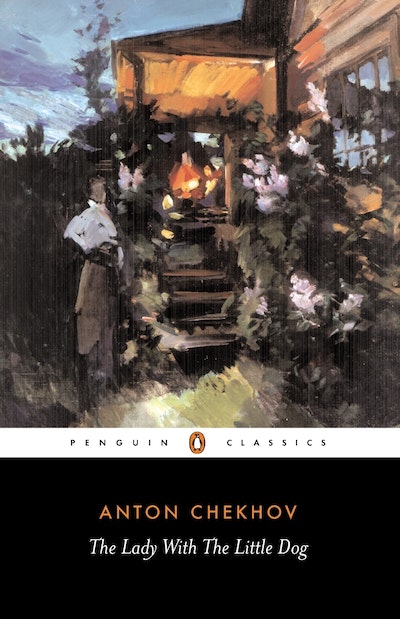
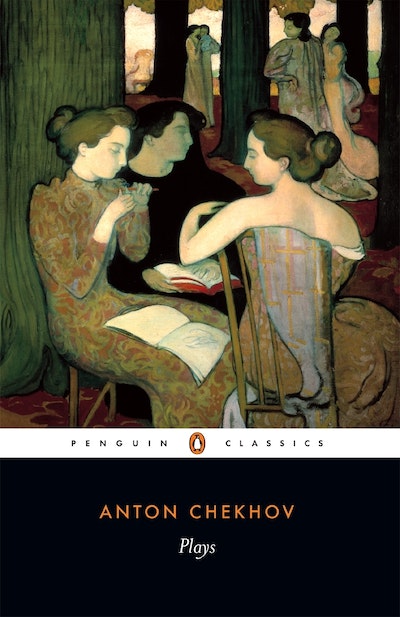
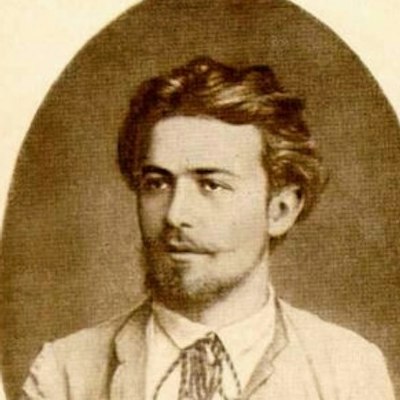
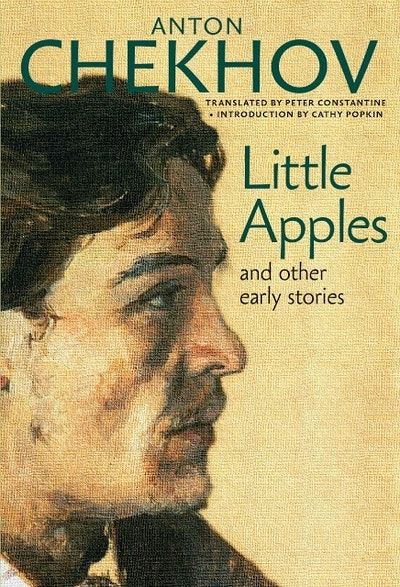
ANTON CHEKHOV (1860–1904) is regarded as one of the world’s masters of the short story. The son of a hapless shopkeeper and grandson of a former serf, Chekhov began at the age of twenty to support his family through the publication of magazine pieces. The writing of these short works—many of which were collected in English for the first time in Seven Stories’ Undiscovered Chekhov and Little Apples—served as the author’s apprenticeship in literature, which was undertaken simultaneously with his studies to become a doctor. Both of these educations would leave their mark on the rising author. By the 1890s Chekhov had moved on to weightier journals, and he had drifted away from the practice of medicine; but his work would always be characterized by the copywriter’s vividness and the sober exactitude of a scientist. In an age of literary aristocrats, Chekhov did as much as any modern writer to democratize the profession. He used his talent to examine the lives of street urchins, déclassé provincials and frustrated reformers. By the time of his death from tuberculosis in 1904, all Russia and much of the world had taken heed of his credo: “For chemists there is nothing unclean on the earth. The writer must be as objective as the chemist.”