- Published: 1 October 2010
- ISBN: 9781409059554
- Imprint: Vintage Digital
- Format: EBook
- Pages: 448
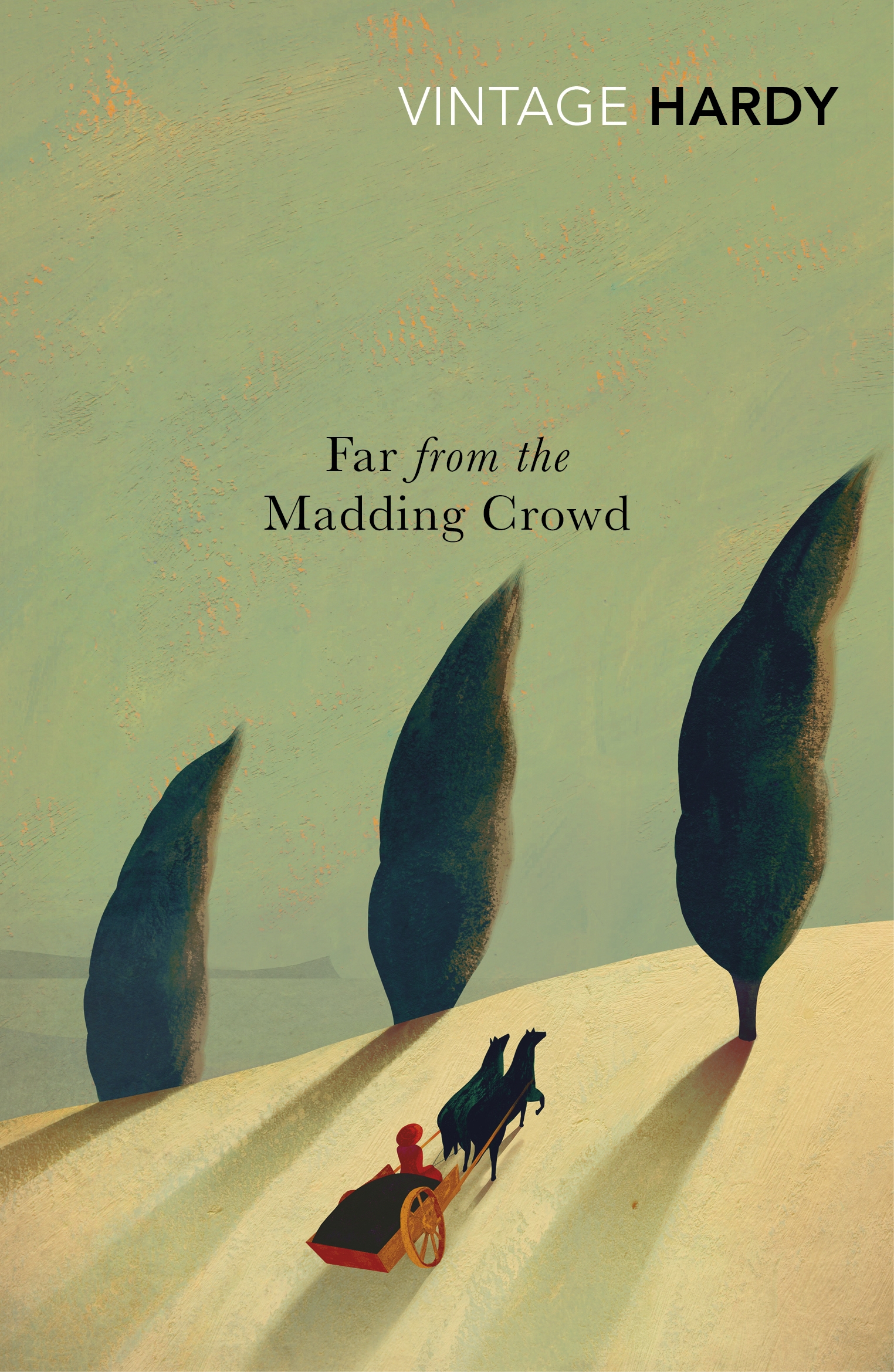
Far From The Madding Crowd
Hardy's most enchanting novel is about unrequited love, missed opportunities and romance
'Vital, passionate, spirited - from the moment Bathsheba appears she is beguiling' Independent
When Bathsheba Everdean arrives in the small village of Weatherbury she captures the heart of three very different men; Gabriel Oak, a quiet shepherd, the proud, obdurate Farmer Boldwood and dashing, unscrupulous Sergeant Troy. The battle for her affections will have dramatic, tragic and surprising consequences in this classic tale of love and misunderstanding.
- Published: 1 October 2010
- ISBN: 9781409059554
- Imprint: Vintage Digital
- Format: EBook
- Pages: 448
Other books in the series
About the author
Thomas Hardy was born in a cottage in Higher Bockhampton, near Dorchester, on 2 June 1840. He was educated locally and at sixteen was articled to a Dorchester architect, John Hicks. In 1862 he moved to London and found employment with another architect, Arthur Blomfield. He now began to write poetry and published an essay. By 1867 he had returned to Dorset to work as Hicks's assistant and began his first (unpublished) novel, The Poor Man and the Lady.
On an architectural visit to St Juliot in Cornwall in 1870 he met his first wife, Emma Gifford. Before their marriage in 1874 he had published four novels and was earning his living as a writer. More novels followed and in 1878 the Hardys moved from Dorset to the London literary scene. But in 1885, after building his house at Max Gate near Dorchester, Hardy again returned to Dorset. He then produced most of his major novels: The Mayor of Casterbridge (1886), The Woodlanders (1887), Tess of the D'Urbervilles (1891), The Pursuit of the Well-Beloved (1892) and Jude the Obscure (1895). Amidst the controversy caused by Jude the Obscure, he turned to the poetry he had been writing all his life. In the next thirty years he published over nine hundred poems and his epic drama in verse, The Dynasts.
After a long and bitter estrangement, Emma Hardy died at Max Gate in 1912. Paradoxically, the event triggered some of Hardy's finest love poetry. In 1914, however, he married Florence Dugdale, a close friend for several years. In 1910 he had been awarded the Order of Merit and was recognized, even revered, as the major literary figure of the time. He died on 11 January 1928. His ashes were buried in Westminster Abbey and his heart at Stinsford in Dorset.
Related titles
Praise for Far From The Madding Crowd
Hardy expounds on his favourite themes: misunderstandings, missed opportunities, unrequited love and fatal omissions
Sunday Times
Hardy's Far from the Madding Crowd is the most romantic book I have ever read. I love the line where he says: "Whenever you look up, there I shall be - and whenever I look up there will be you." It is very simple and understated, but also incredibly romantic
Liz Jensen, Independent
Hardy's warmest and most enchanting novel
Daily Express
The age-old dilemma - mind-blowing passion versus a man who knows how to put up shelves
Independent
Vital, passionate, spirited - from the moment Bathsheba appears she is beguiling. You can denounce her faults - she's selfish and capricious - but it's hard not to admire her determined independence
Di Speirs (executive producer of readings at the BBC), Independent