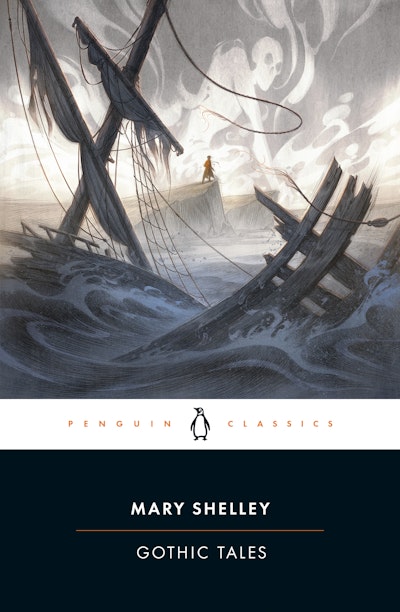
The Gothic novel, which flourished from about 1765 until 1825, revels in the horrible and the supernatural, in suspense and exotic settings.
This volume, with its erudite introduction by Mario Praz, presents three of the most celebrated Gothic novels: The Castle of Otranto, published pseudonymously in 1765, is one of the first of the genre and the most truly Gothic of the three. Vathek (1786), an oriental tale by an eccentric millionaire, exotically combines Gothic romanticism with the vivacity of The Arabian Nights and is a narrative tour de force. The story of Frankenstein (1818) and the monster he created is as spine-chilling today as it ever was; as in all Gothic novels, horror is the keynote.
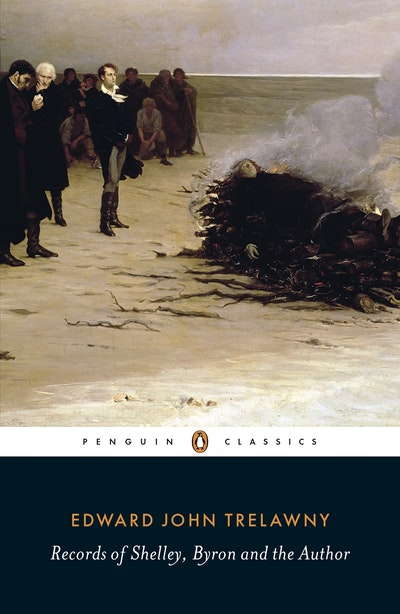
Mary Shelley was born in London in 1797, the daughter of two of the era’s most radical writers: William Godwin, the anarchist utopian, and feminist Mary Wollstonecraft, who died from the childbirth. After a difficult childhood under a demanding stepmother, she ran off to the Continent at age 17 with her father’s wealthy—and married—benefactor, the poet Percy Bysshe Shelley, although they did not get married until the suicide of Shelley’s wife two years later. Despite close intellectual bonds the marriage was unhappy, due to Percy Shelley’s regular campaigning for open “utopian” sexual relationships (with her sister, for one), and the deaths of three out of their four children. In 1817, while visiting Lord Byron at Lake Geneva, the three challenged one another to write a horror story. The result from Mary was the novel Frankenstein, an instant popular (although not critical) success. Four years later her peripatetic husband drowned in a boating accident. Mary Shelley never remarried, but she continued on as a successful writer until her death in London in 1851.