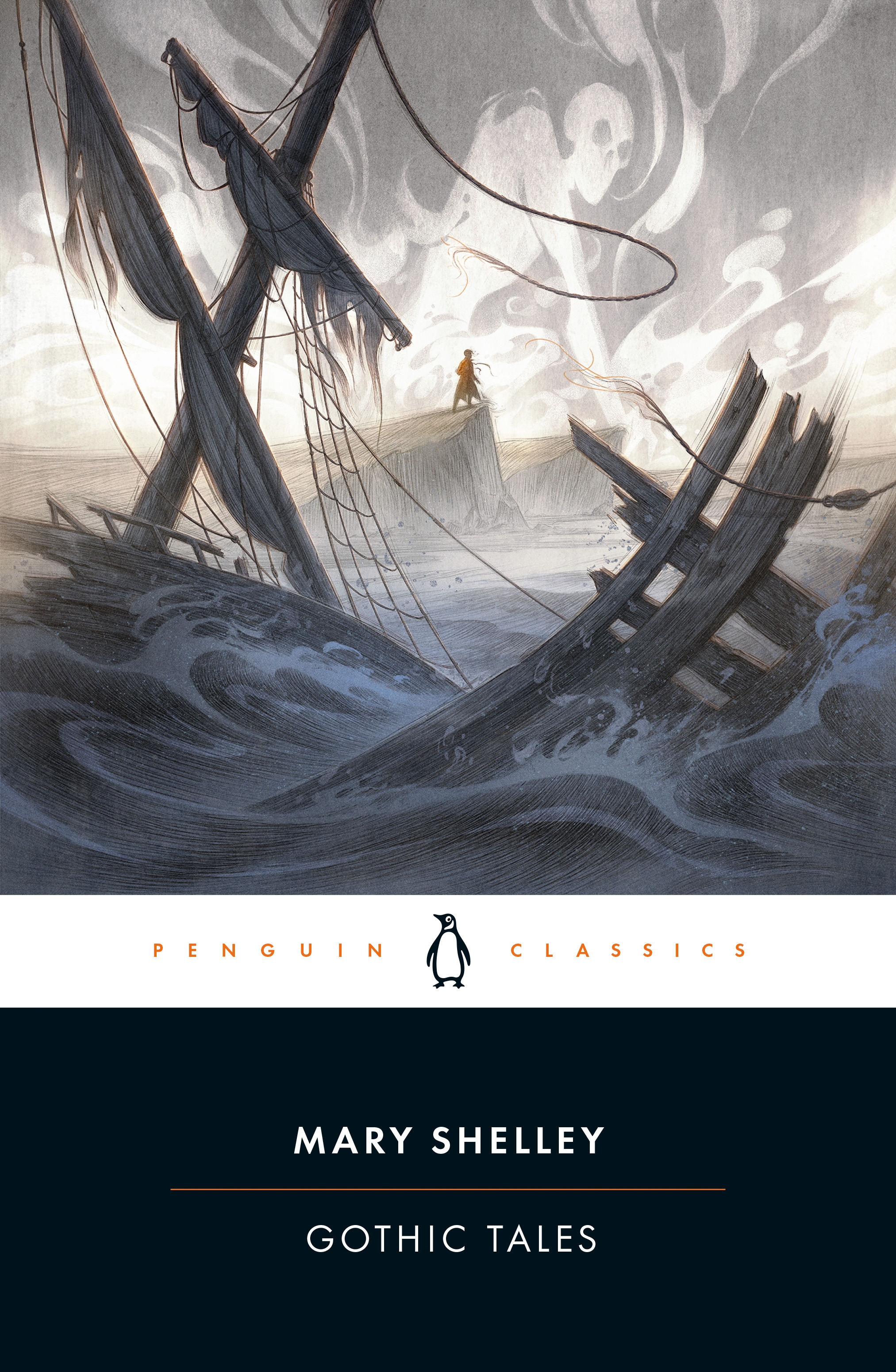
Ten of Mary Shelley’s best short stories that push the boundaries of Gothic literature
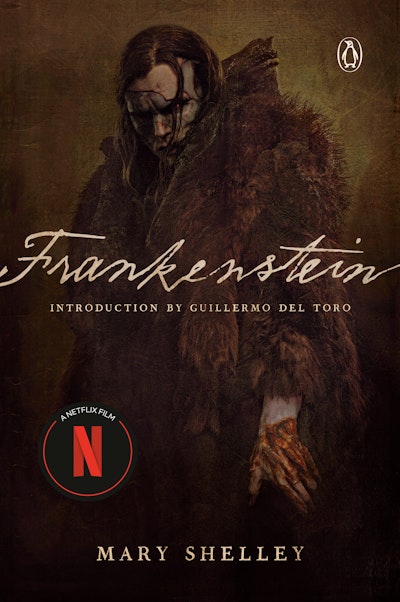
Mary Shelley is most known for Frankenstein, but in the years following the release of her magnum opus, which were beset by the loss of several children and her husband, she produced novels, poems, short stories, and other forms of writing to sustain herself and her only surviving child. Collected here from this tumultuous period of Shelley’s life are ten of her finest tales that, like Frankenstein, subvert the classist and misogynistic standards of patriarchal Victorian society and offer deep meditations on the nature of life and humanity. Shelley’s stories defy genre, ranging from romance and melodrama to fairy tale and satire to speculative and the Gothic, all mixed with biographical allusions to Shelley’s personal life. Faustian bargains, doppelgängers, time travel, and hints of vampirism and witchcraft loom through these stories but are infused with Shelley’s tender emotionalism and conscious eye for the inequalities of her day. Shelley grounds the Gothic in the humane, leveraging hallmarks of the genre — anachronisms, false heroes, foreboding moods, and shadowy terrains — to show that the darkest monsters may be those already among us.
Penguin Classics is the leading publisher of classic literature in the English-speaking world, representing a global bookshelf of the best works throughout history and across genres and disciplines. Readers trust the series to provide authoritative texts enhanced by introductions and notes by distinguished scholars and contemporary authors, as well as up-to-date translations by award-winning translators.