> Skip to content
[]
Play sample
  • Published: 1 July 1974
  • ISBN: 9780141914527
  • Imprint: Penguin eBooks
  • Format: EBook
  • Pages: 352
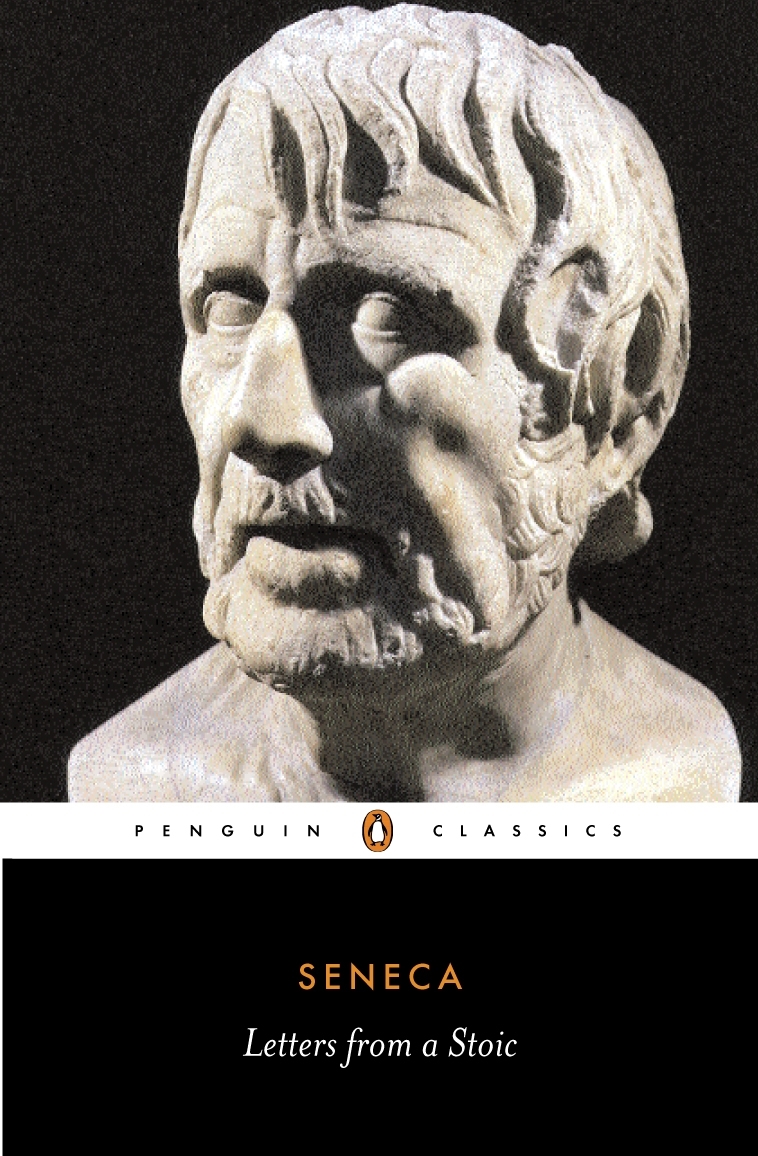
Letters from a Stoic


The classic translation of writings by Stoicism's most eloquent advocate, now reissued with a new introduction

It is philosophy that has the duty of protecting us ... without it no one can lead a life free of fear or worry

For several years of his turbulent life, in which he was dogged by ill health, exile and danger, Seneca was the guiding hand of the Roman Empire. This selection of Seneca's letters shows him upholding the ideals of Stoicism – the wisdom of the self-possessed person immune to life's setbacks – while valuing friendship and courage, and criticizing the harsh treatment of slaves and the cruelties in the gladiatorial arena. The humanity and wit revealed in Seneca's interpretation of Stoicism is a moving and inspiring declaration of the dignity of the individual mind.

  • Published: 1 July 1974
  • ISBN: 9780141914527
  • Imprint: Penguin eBooks
  • Format: EBook
  • Pages: 352
Other books in the series

Emma
Persuasion
A Dog's Heart
The Black Tulip
The Lady of the Camellias
Selected Poetry
On Sparta
Man and Superman
Saint Joan
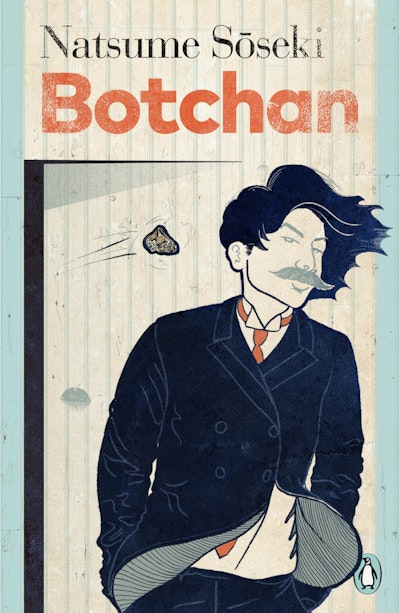
Botchan
Kusamakura
Sanshiro
Love
Annals
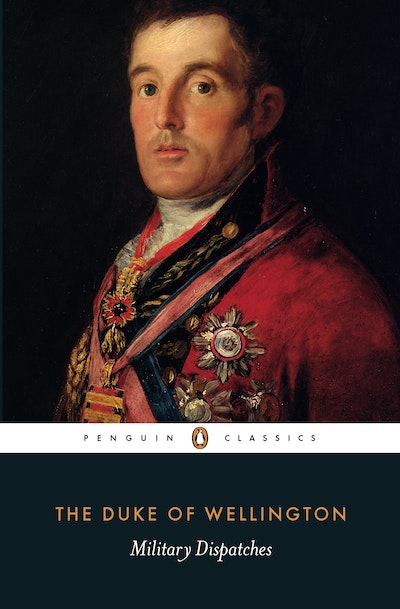
Military Dispatches

About the author

Seneca

Lucius Annaeus Seneca, statesman, philosopher, advocate and man of letters, was born at Cordoba in Spain around 4 BC. He rose to prominence in Rome, pursuing a career in the courts and political life, for which he had been trained, while also acquiring celebrity as an author of tragedies and essays. Falling foul of successive emperors (Caligula in AD 39 and Claudius in AD 41), he spent eight years in exile, allegedly for an affair with Caligula's sister. Recalled in AD 49, he was made praetor and was appointed tutor to the boy who was to become, in AD 54, the emperor Nero. On Nero's succession, Seneca acted for some eight years as an unofficial chief minister.

The early part of this reign was remembered as a period of sound government, for which the main credit seems due to Seneca. His control over Nero declined as enemies turned the emperor against him with representations that his popularity made him a danger, or with accusations of immorality or excessive wealth. Retiring from public life he devoted his last three years to philosophy and writing, particularly the Letters to Lucilius. In AD 65 following the discovery of a plot against the emperor, in which he was thought to be implicated, he and many others were compelled by Nero to commit suicide. His fame as an essayist and dramatist lasted until two or three centuries ago, when he passed into literary oblivion, from which the twentieth century has seen a considerable recovery.

Also by Seneca

See all
penguin pop image
penguin pop image