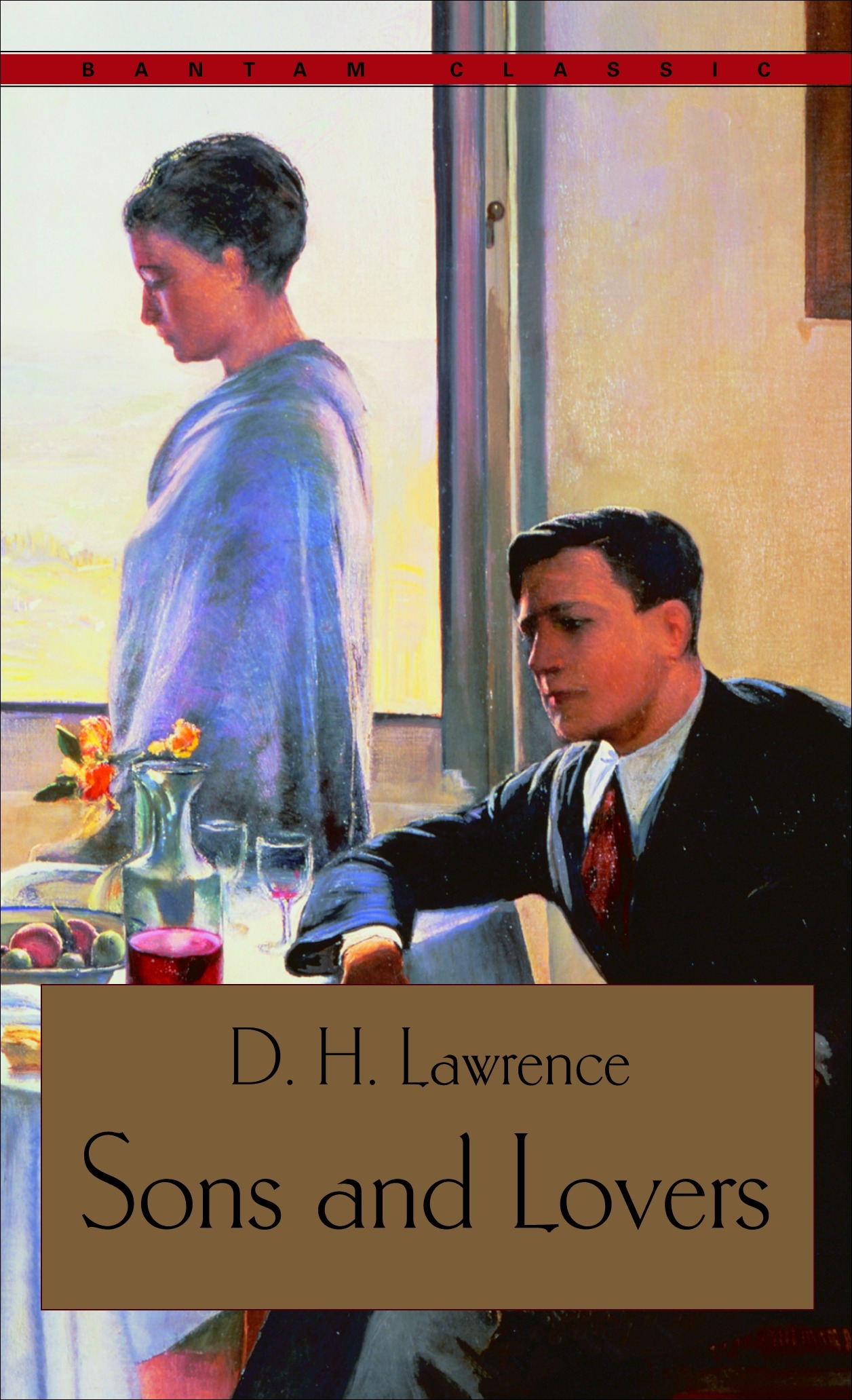
Since its publication in 1913, D. H. Lawrence's powerful and passionate third novel stands as one of the greatest autobiographical novels of the twentieth century. Here is the story of artist Paul Morel as a young man, his powerful relationship with his possessive mother, his passionate love affair with Miriam Leivers, his intense liaison with married Clara Dawes. Here, too, England's Derbyshire springs to life with both is sooty mining villages and deep green pastures, a setting as full of contrasts as the deep emotions that rule this remarkable book.
Sons and Lovers is rich with universal truths about relationships; moreover, it brims with what Alfred Kazin has called Lawrence's "magic sympathy, between himself and life." Continues Mr. Kazin: "No other writer of his imaginative standing has in our time written books that are so open to life...Since for Lawrence the great subject of literature was not the writer's own consciousness but consciousness between people, the living felt relationship between them, it was his very concern to represent the 'shimmer' of life, the 'wholeness'...that made possible his brilliance as a novelist."
D.H. Lawrence was born as David Herbert Lawrence. He was born on September 11, 1885, in Eastwood, Nottinghamshire, England, to a working-class family. His early life experiences
and the social environment he grew up in greatly influenced his writing.
In his childhood, Lawrence witnessed the struggles and tensions within his family and the surrounding mining community. His father worked as a miner, and his mother’s
unhappiness and frustrations in her marriage left a lasting impact on Lawrence. Despite the challenges, Lawrence showed an early aptitude for education and was awarded a scholarship to Nottingham High School.
Lawrence’s time at school exposed him to a broader world of literature and ideas. He excelled academically, developing a passion for literature, poetry, and art. His intellectual
pursuits led him to study classics at Nottingham University College (now the University of Nottingham) in 1906. At
university, Lawrence encountered a vibrant literary and artistic community, which further fuelled his creative aspirations.
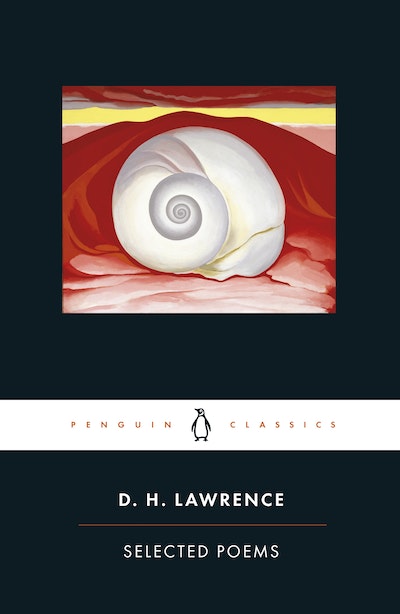
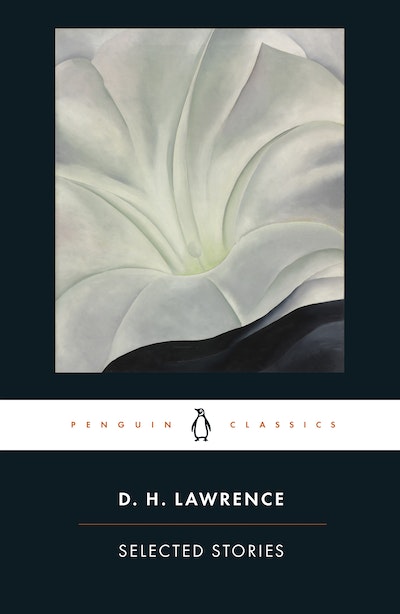
During his university years, Lawrence began writing poetry, short stories, and essays. He explored themes of human relationships, sexuality, and the profound connection between man and nature.
After leaving university, Lawrence experienced a period of restlessness and uncertainty. He held various jobs, including working as a schoolteacher and a clerk, while continuing to
write.
His early works were not commercially successful, and he struggled financially.
However, Lawrence’s breakthrough came with the publication of his novel Sons and Lovers in 1913. It received critical acclaim for its psychological depth and vivid storytelling. The success of it marked the beginning of Lawrence’s rise to literary fame. In the years that followed, Lawrence published several
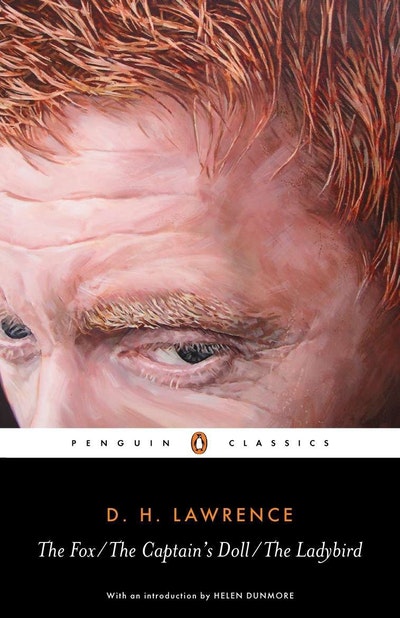
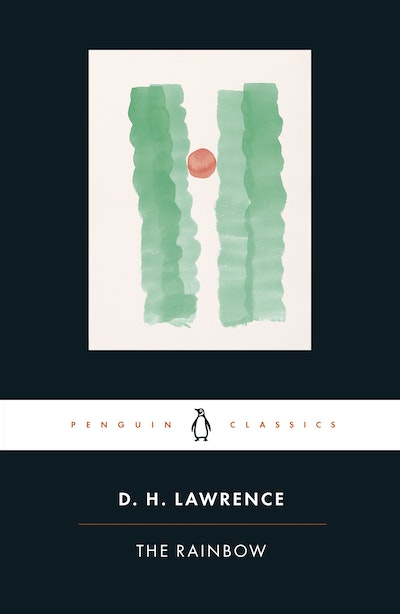
notable works, including The Rainbow (1915) and Women in Love (1920). Both faced censorship and controversy due to their explicit depictions of sexuality. Lawrence’s writing
challenged societal norms and conventions. It explored the complexities of human desires and relationships in a candid manner. Lawrence’s reputation as a groundbreaking writer grew, but he faced ongoing struggles with censorship and
public reception.
His works continued to delve into themes
of passion, individuality, and the clash between nature and industrialization. Sadly, Lawrence’s life was cut short when he succumbed to tuberculosis on March 2 1930, in Vence, France.
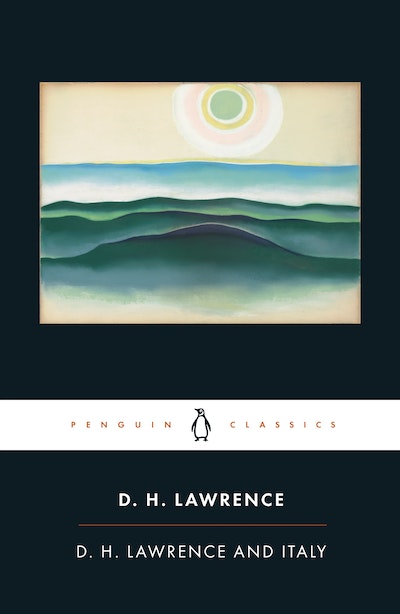
He was 44 at that time. His literary legacy, however, lives on, and his works have had a profound and lasting impact on 20th-century literature. D.H. Lawrence’s fearless exploration
of human emotions and the complexities of relationships continues to captivate readers to this day.