[]
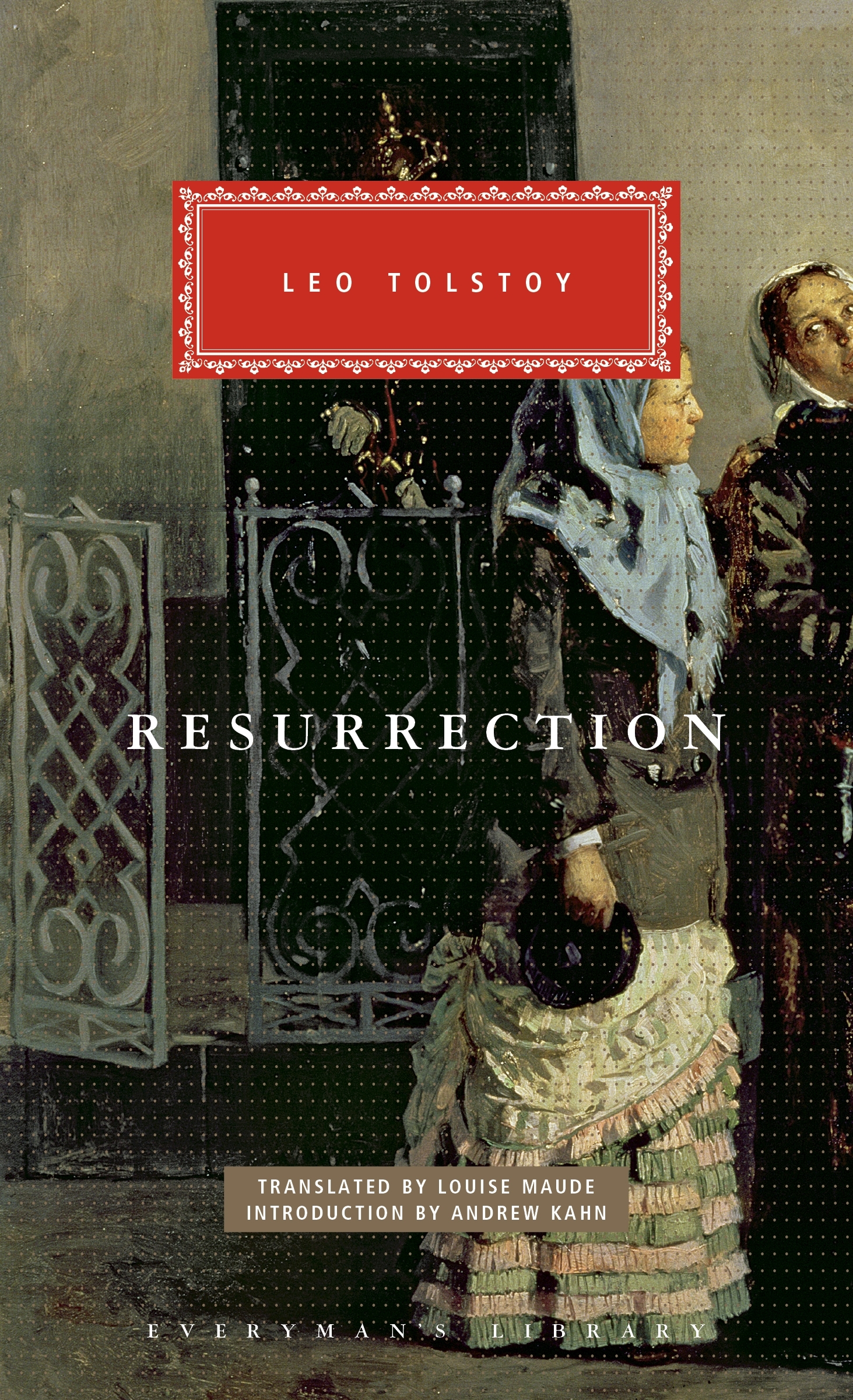
- Published: 28 October 2025
- ISBN: 9781841594330
- Imprint: Everyman
- Format: Hardback
- Pages: 536
- RRP: $34.99
Resurrection
Formats & editions



Buy from…
 Amazon
 Booktopia
 Dymocks
 QBD
QBD
 Readings
 Your Bookstore
 Abbeys
 Boomerang
 Find local retailers
 Collins
 Fishpond
 Gleebooks
 Harry Hartog
 Kinokuniya
 Robinsons
 The Nile
 Mighty Ape
- Published: 28 October 2025
- ISBN: 9781841594330
- Imprint: Everyman
- Format: Hardback
- Pages: 536
- RRP: $34.99