> Skip to content
[]
  • Published: 26 August 2004
  • ISBN: 9780141961712
  • Imprint: Penguin eBooks
  • Format: EBook
  • Pages: 352
Categories:

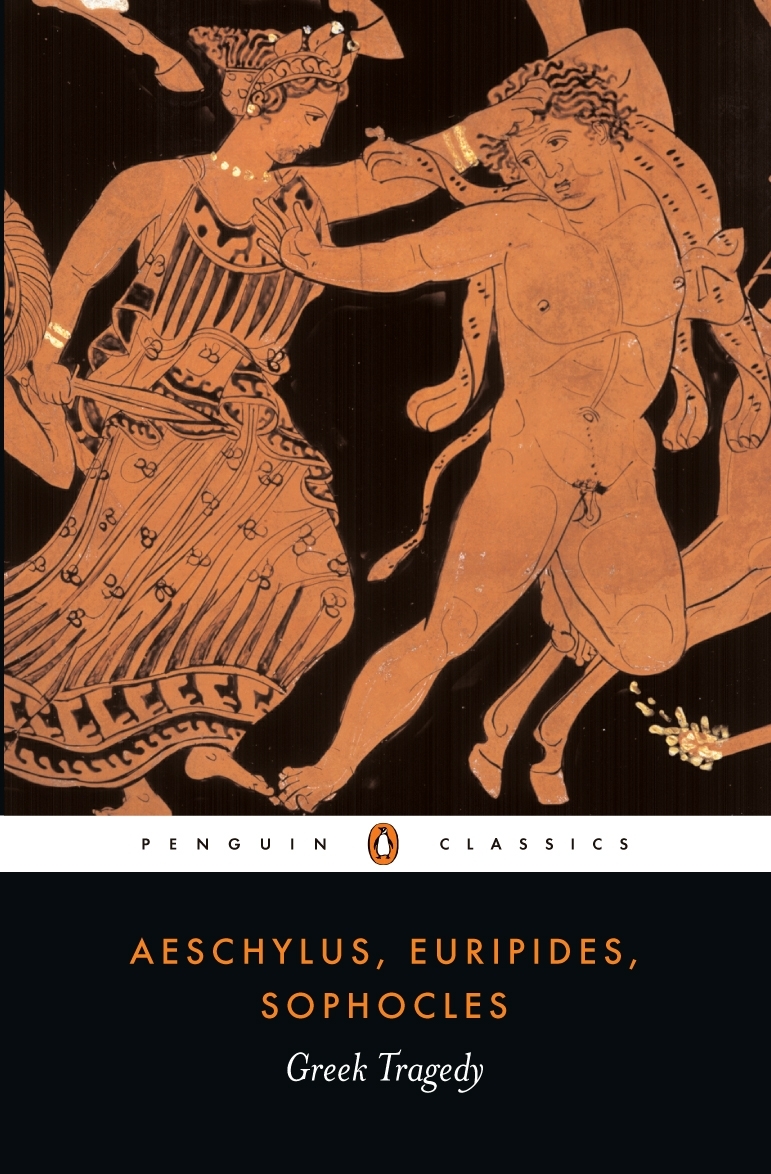
Greek Tragedy


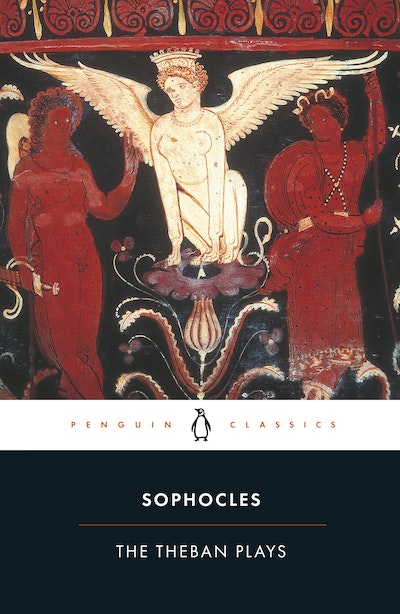
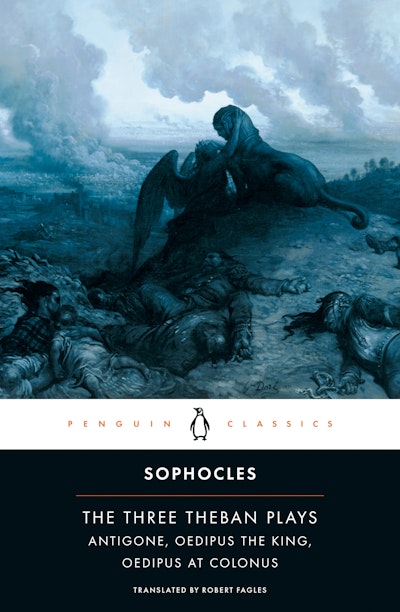
Bringing together the masterpieces of classical tragedy in one volume, this is the ideal single-volume introduction for theatre goers, actors, general readers, and students of Classics, English Literature, and Drama.

Agememnon is the first part of the Aeschylus's Orestian trilogy in which the leader of the Greek army returns from the Trojan war to be murdered by his treacherous wife Clytemnestra. In Sophocles' Oedipus Rex the king sets out to uncover the cause of the plague that has struck his city, only to disover the devastating truth about his relationship with his mother and his father.
Medea is the terrible story of a woman's bloody revenge on her adulterous husband through the murder of her own children.

  • Published: 26 August 2004
  • ISBN: 9780141961712
  • Imprint: Penguin eBooks
  • Format: EBook
  • Pages: 352
Categories:

Other books in the series

The New Penguin Book Of American Short Stories, From Washington Irving To Lydia Davis
The Black Tulip
The Lady of the Camellias
Selected Poetry
Venus in Furs
Man and Superman
Military Dispatches
The Prelude

About the authors

Sophocles

Sophocles, the Greek tragic dramatist, was born at Colonus near Athens about 496 B.C. Although hopelessness and misfortune plague the characters in his great plays, Sophocles's own life was a long, prosperous one. He was from a good family, well educated, handsome, wealthy, healthy, and highly respected by his fellow Athenians. His first dramatic production, in 468, won the prize over Aeschylus's. He wrote two dozen more plays before 450, by which date he had made important changes in the form of tragedy by adding a third speaking actor to the traditional two, by reducing the importance of the chorus, and by improving the stage scenery. Sophocles wrote over 120 plays; seven complete plays survive (plus half a light satyr play, some fragments, and ninety titles). Aristotle, in his Poetics, praised Sophocles above other tragedians and regarded his masterpiece, OEDIPUS THE KING, as a model for Greek tragedy. Sophocles's plays won more victories than the plays of either his older contemporary Aeschylus or the younger Euripides. The circumstances of his life, as well as his plays, suggest that Sophocles was conservative, and opposed to innovation in religion and politics. At eighty-three he was still active in the Athenian government. He died in 406 B.C. in Athens at the age of ninety.