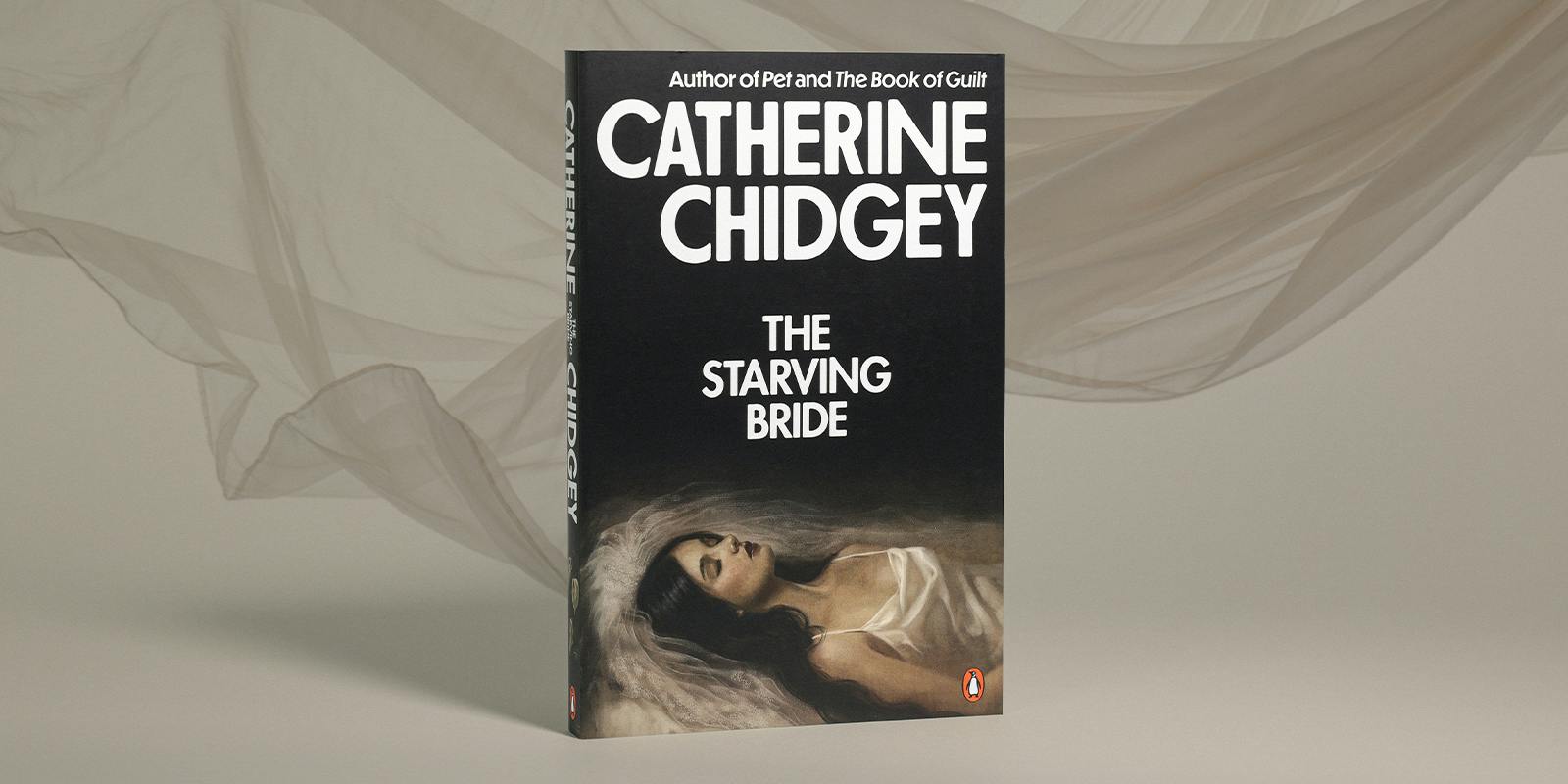
The Starving Bride by Catherine Chidgey

- For our younger selves, / who were beautiful already. How did this dedication at the beginning of the novel make you feel. Did it influence how you read The Starving Bride?
- What is Hazel really hungry for? How does the meaning of “starving” change as the story progresses?
- The novel repeatedly asks us to look at Hazel while also making us uncomfortable about looking. How does Chidgey implicate the reader in the behaviour of the crowds who gather around the glass casket? At what points did you feel like a spectator yourself?
- How does the novel explore the idea that a woman’s body is public property? What do you think Chidgey is exploring here?
- Hazel insists that her past is over, while another part of her experiences it as “right now and right now and right now”. Is trauma ever over?
- Mothers and daughters are central to the novel’s treatment of bodies. What has Hazel inherited from Jacqueline, and what do Grace and the Anabelles inherit from their mothers? Where are the fathers in this paradigm?
- How did your understanding of the friendship between Gilda and Hazel change over the course of the novel? What do their childhood intimacy, competition, mutual care and later betrayals suggest about the complicated boundary between loving someone and exploiting them?
- Why is the central character a bride?
- Hazel learns as a child to use the dance-studio mirror to “assess and correct her body”. Later she lies behind glass while strangers assess her. What does this recurring imagery suggest about the difference between seeing ourselves and being seen?
- How does Chidgey use Gothic conventions in a recognisably modern world?
- The Starving Bride is often very funny at moments that are disturbing or horrifying. What does this tonal mixture achieve? Does the comedy provide relief, sharpen the horror, expose cruelty, implicate the reader—or do several of those things at once?
- Hazel and Xander are repeatedly placed in parallel. How does their relationship complicate the distinction between predator and prey, human and animal, captivity and freedom?
- Hazel’s personal crisis happens alongside the physical deterioration of Blackpool Tower and the wider climate crisis? What connections does the novel make between damaged bodies, damaged structures and a damaged environment?
- What does the #ASimplerTime version of Blackpool reveal about nostalgia?
- Why are the Anabelles given a collective “we” voice rather than being represented only through individual characters? Do they function as a chorus, a community, a warning, a distorted support group—or something else?
- Throughout the novel, performance and reality become increasingly difficult to separate. What happens when people begin living inside performances that were supposed to be fake?

The Starving Bride
'A captivating reading experience.'
BOOKS + PUBLISHING
Provocative and utterly gripping, The Starving Bride is a razor-sharp exploration of beauty, shame, the impacts of ignoring the warning signs of catastrophe and the dangerous allure of spectacle in a world that can’t look away.
Book clubs

The Book of Guilt book club questions
A creepy, compelling novel to read with your book club.
Book clubs
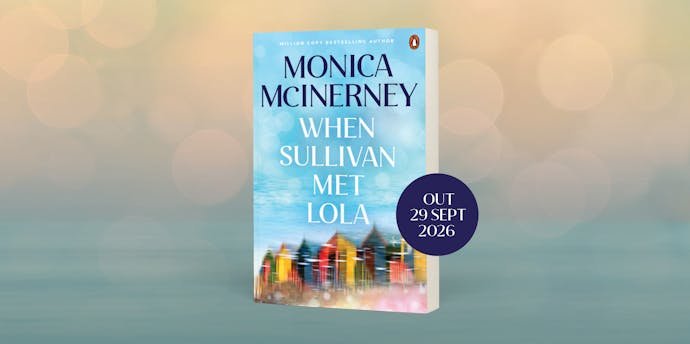
When Sullivan Met Lola reading group questions
When Sullivan Met Lola by Monica McInerney
Book clubs
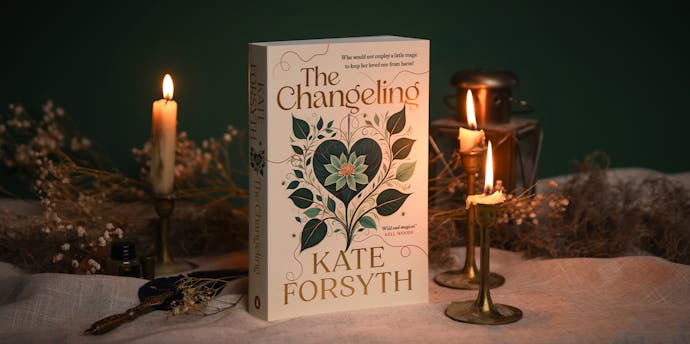
The Changeling reading group questions
Reading group questions for The Changeling by Kate Forsyth
Book clubs
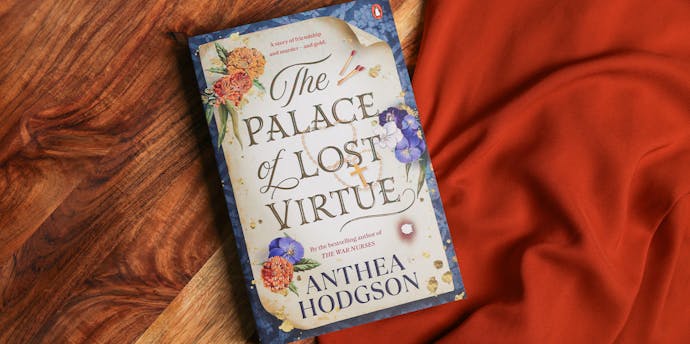
The Palace of Lost Virtue book club questions
Reading group notes for The Palace of Lost Virtue.
Book clubs
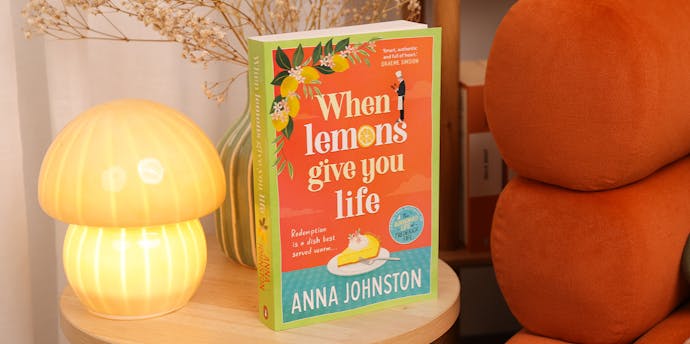
When Lemons Give You Life Discussion Questions
When Lemons Give You Life by Anna Johnston Discussion Questions
Book clubs
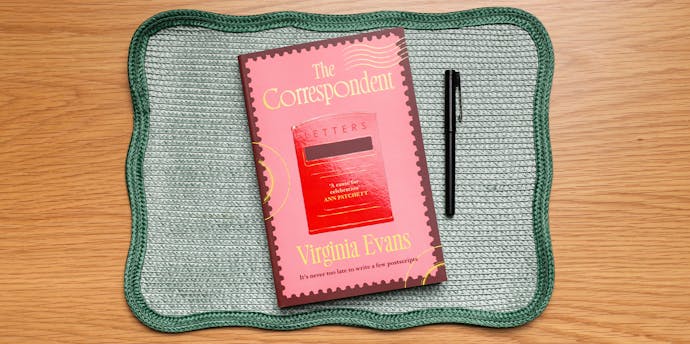
The Correspondent book club questions
Book club questions: The Correspondent by Virginia Evans
Book clubs
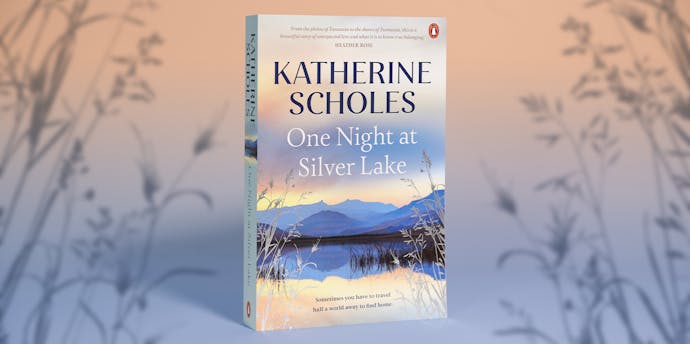
One Night at Silver Lake book club questions
One Night at Silver Lake book club questions.
Book clubs

Beth Is Dead book club questions
Start your Beth Is Dead book club discussion with these questions.