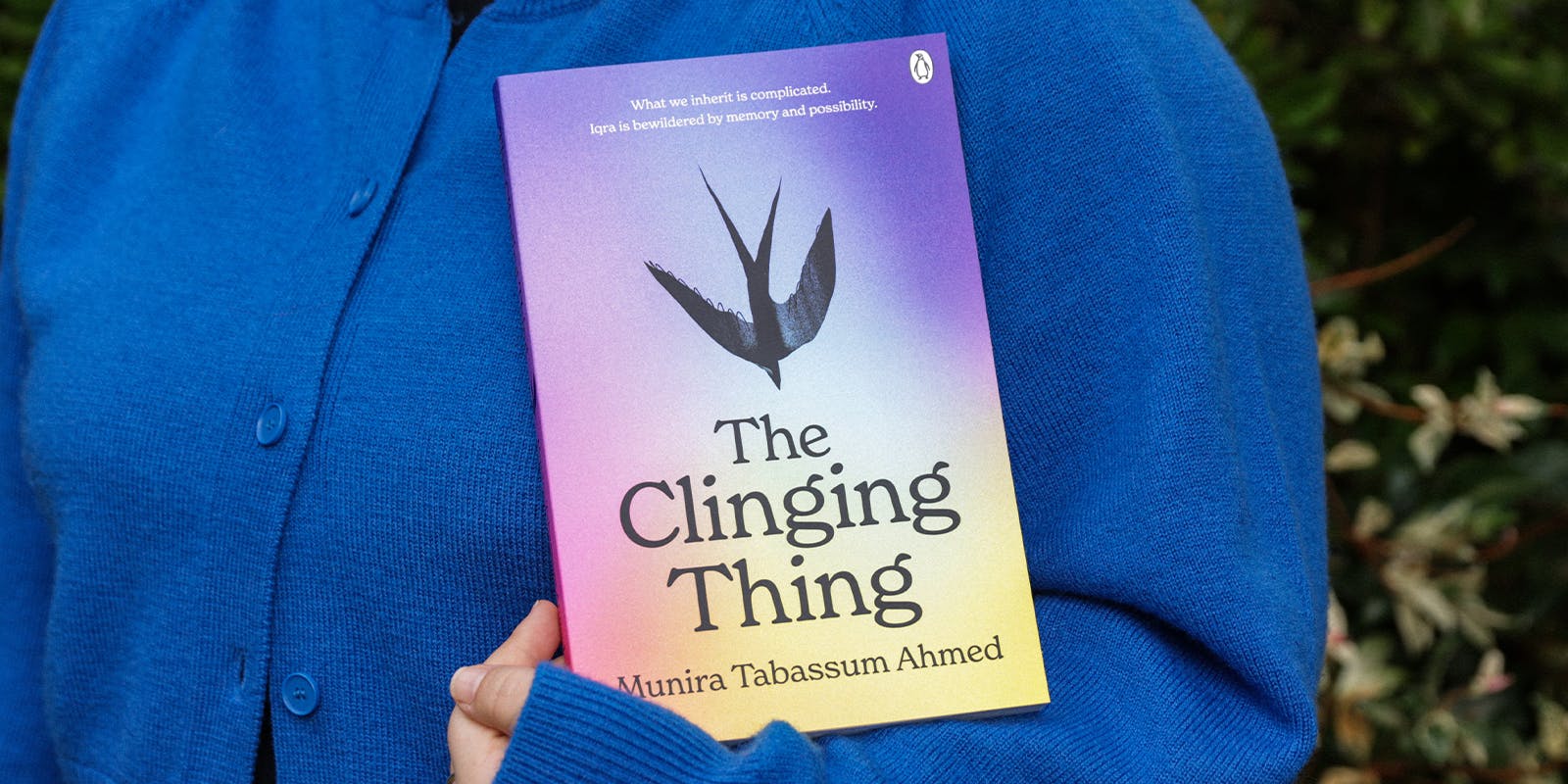
The Clinging Thing by Munira Tabassum Ahmed
1. What is ‘the clinging thing’ and what does the title come to mean by the end of the novel?
2. In what ways do Iqra, Hidayah, Iman, Aqsa and the women before them shape one another's lives, even across death and distance? What are they inheriting, or passing on?
3. The novel repeatedly returns to the question of what we owe one another. What do you think the book ultimately suggests about duty, responsibility and care? Are these obligations burdens, gifts, or both?
4. Mothers and daughters fuel so many of our stories. How does Iqra's relationship with Hidayah evolve over the course of the novel? What does she come to understand about her mother that she could not see at the beginning?
5. How do faith and uncertainty coexist in The Clinging Thing?
6. What role does Safia play in Iqra's life?
7. Grief has been explored across fiction forever. Are there an infinite number of ways that grief can manifest itself? How does The Clinging Thing explore different responses to grief?
8. Nature - rivers, birds, gardens, water – are noted across the novel. How do they help the characters understand memory, change, mortality and continuity?
9. Why do you think Iqra struggles so much with speaking openly about her pain? How does her silence affect her relationships with Safia, her husband, her mother and herself?
10. The novel ends with Iqra arriving at a new understanding of life, grief and responsibility. Is it a hopeful ending?
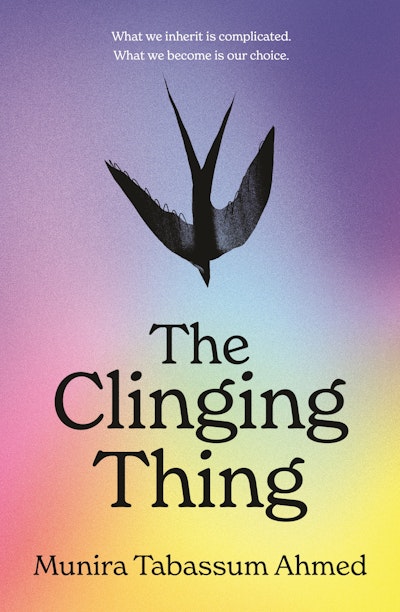
Iqra would like to be a good daughter, a good sister, a good woman, a good mother.
Discover the diverse books our team recommends to broaden your reading and introduce you to unforgettable new authors.
When Sullivan Met Lola by Monica McInerney
Reading group questions for The Changeling by Kate Forsyth
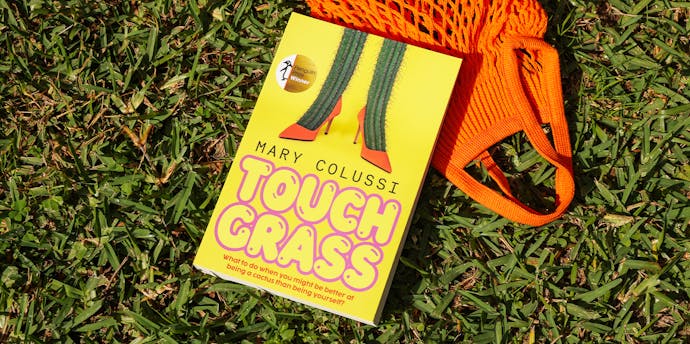
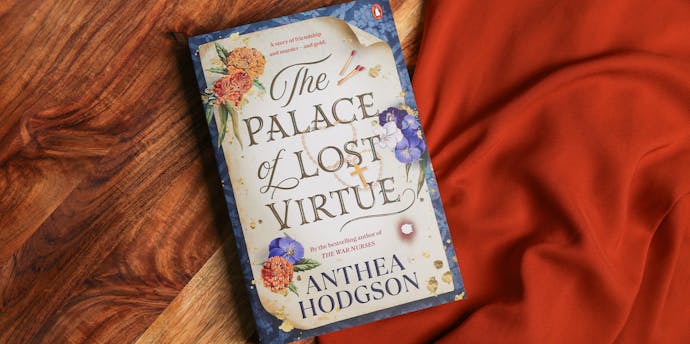
Reading group notes for The Palace of Lost Virtue.
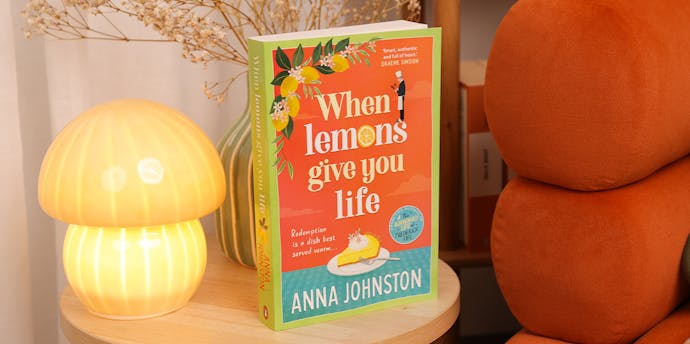
When Lemons Give You Life by Anna Johnston Discussion Questions
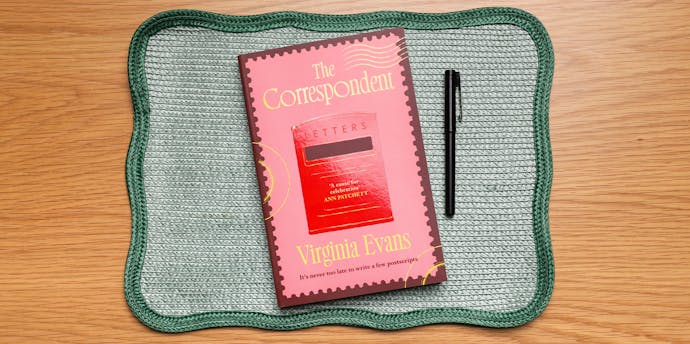
Book club questions: The Correspondent by Virginia Evans
One Night at Silver Lake book club questions.


Start your Beth Is Dead book club discussion with these questions.