
More than 200 years after it was first published, Pride and Prejudice continues to captivate readers with its wit, unforgettable characters and sharp observations about love, class and human nature.

Whether you’re discovering Jane Austen’s classic for the first time or returning to an old favourite, these questions are designed to spark conversation about the characters, themes and moments that make the novel feel as relevant and entertaining as ever.
1. The novel opens with one of the most recognisable lines in English literature:“It is a truth universally acknowledged, that a single man in possession of a good fortune, must be in want of a wife.”
What does this opening suggest about marriage, money and social expectations in Austen’s world? How much have attitudes evolved since then and are there any parallels that still feel familiar today?
2. Jane Austen’s original title for Pride and Prejudice was First Impressions.
Which title do you think best captures the heart of the novel, and why? How does pride, prejudice and first impressions shape the relationships and misunderstandings throughout the story?
3. Pride and Prejudice was first published in 1813, yet more than 200 years later it continues to be widely read, adapted and discussed.
Why do you think the novel has endured? Which of its themes, characters or observations about human behaviour still feel particularly relevant today?
4. Elizabeth's impression of Darcy changes significantly throughout the novel, but especially after encountering him at his estate, Pemberley.
What do you think prompts this change of heart? What about Pemberley alters her perception?"
What moments most significantly challenge Elizabeth’s first impression of Darcy?
5. The novel is filled with memorable characters that Austen repeatedly invites us to form opinions on. From the Bennet family and Mr Darcy to Mr Collins, Lady Catherine, Charlotte Lucas and George Wickham.
Was there a character you judged too quickly? Did your feelings about anyone change significantly as the novel unfolded? Who was your favourite character or the character you found most compelling
6. Gossip, reputation and social status have enormous power in the world of Pride and Prejudice.
How do they influence the choices the characters make? Do you see any parallels between Austen’s tightly connected social world and the way reputation and judgement operate today?
7. Elizabeth Bennet is often celebrated for her intelligence, wit and independence.
What did you admire about Elizabeth? Where are her blind spots? How does Austen balance Elizabeth’s strengths with her capacity to misjudge other people?
8. Austen uses humour and irony to expose the absurdities of social conventions, class and human behaviour.
Which moments or characters did you find funniest? Did the humour make Austen’s social criticism more effective?
9. Pride and Prejudice has inspired countless adaptations over the years with the latest by the iconic bestselling author, Dolly Alderton, releasing on Netflix 3 December.
What excites you most about this adaptation?
10. Did reading or rereading Pride and Prejudice change your impression of the novel?
What surprised you most, and what idea, character or moment stayed with you after you finished?
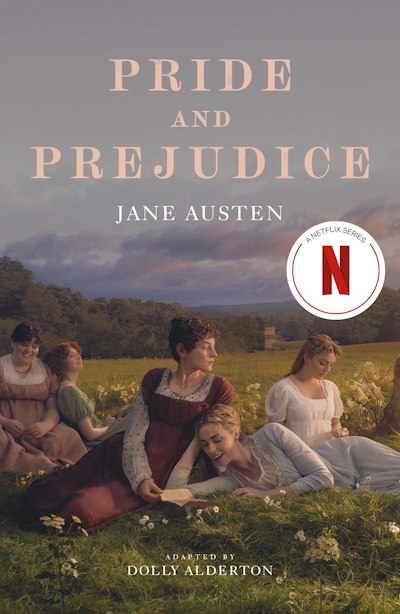
Jane Austen's classic romance novel, soon to be a major Netflix series adapted by Dolly Alderton.

Fall in love with Penguin’s selection of the best romance fiction. Explore our diverse list of new favourite reads, from YA favourites to Australian classics.
We’re happy to share that an impressive twenty-five Penguin Random House titles made the list this year.


It’s official: the internet has dubbed Conrad Fisher a ‘black cat boyfriend’. Here are a few other black cat book boyfriends to keep you swooning.

Penguin Random House is proud to have twenty-four titles on the list this year.

Some of the biggest burns from classic literature.

As Austen fans, we often imagine ourselves living between the pages of our favourite stories. With the help of this quiz, you can find out which book you'd be transported to.

These female characters are brave, stand up for their beliefs and aren't afraid to break the status quo.


A gripping wartime memoir with a twist, to read with your book club.

A heart-breaking, funny, thought-provoking and honest novel to read with your book club.

A sparkling (and heart-breaking) Australian romantic comedy to read with your book club.