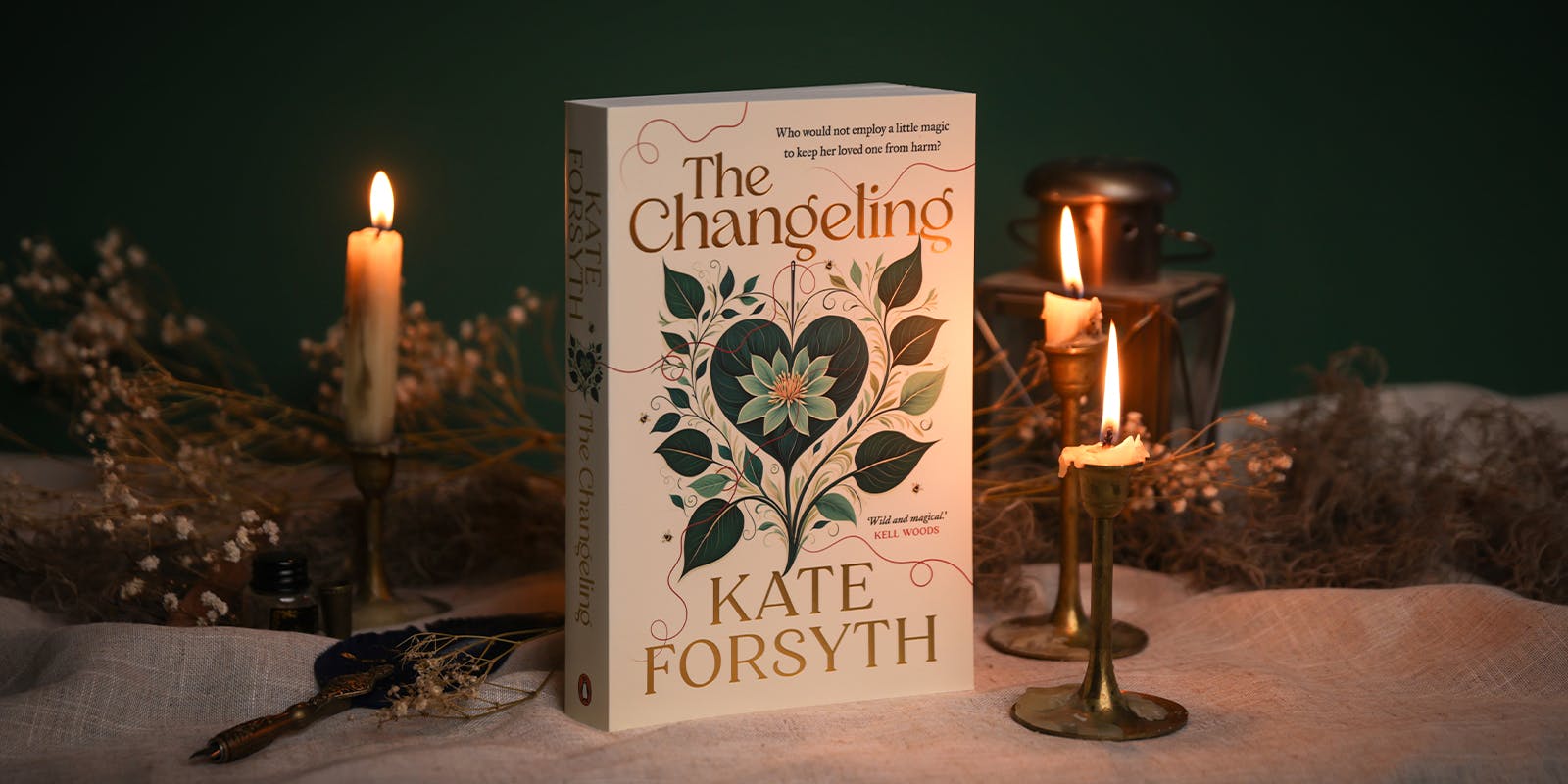
Reading group questions for The Changeling by Kate Forsyth
Why do you think Kate Forsyth chose this setting and time period, with Mary, Queen of Scots at the heart, to tell the story of The Changeling?
Throughout the novel, women who possess knowledge, independence, healing skills or refuse to conform are viewed with suspicion. How does The Changeling explore the ways society creates "witches"?
Songs, folklore, prophecies and oral traditions preserve truths that official histories sometimes overlook. How does The Changeling challenge conventional versions of historical events?
Beyond its folkloric meaning, the changeling is a metaphor for feeling like an outsider. How does Caitlín's journey reflect the universal search to understand who we are? Have you ever felt like a changeling, divided between different versions of yourself?
Kate Forsyth intertwines the documented history of Mary, Queen of Scots with Scottish folklore, blurring history and myth. How did the supernatural elements influence your understanding of this historical world and events?
The novel shows how accusations of witchcraft, religious division and rumours are used to control people and consolidate power. Does fear shape public opinion? In what ways does this resonate with contemporary politics and public discourse?
Romantic love, family loyalty and obligations, ambition repeatedly pull characters in opposing directions. Which characters do you think make the greatest sacrifices? Is it possible, in the world of this novel, to choose love without paying a price?
Caitlín lives under the burden of prophecy, yet repeatedly struggles to make her own moral decisions. To what extent are the characters shaped by destiny, and to what extent by their choices? Does the novel argue for free will or inevitability?
Many characters possess different kinds of power: political authority, magical ability, inherited power. Which forms of power prove most dangerous? Which prove most compassionate? Does The Changeling suggest that power itself is corrupting, or only the way it is used?
Trees, seasons, animals and traditional herbal knowledge shape the novel's symbolism. What role does the natural world play in Caitlín's understanding of herself? How does this relationship with nature contrast with the institutions of church, court and state?
Set in sixteenth-century Scotland, the novel raises questions about women's autonomy, religious intolerance, misinformation, political extremism, inherited trauma and the policing of knowledge. Which of these themes felt most contemporary to you, and why?
Do we still decry women as witches if they dare to go against the norm?
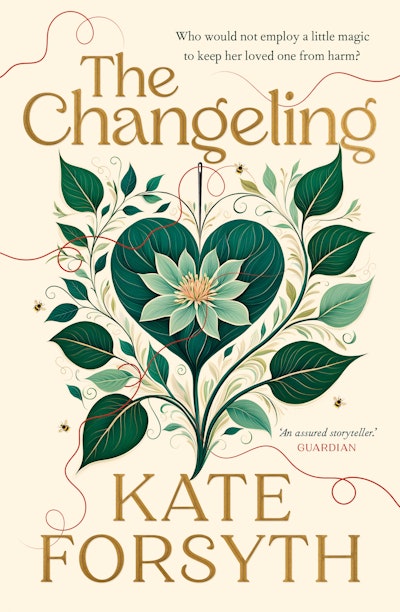
'A triumph.'
THE AUSTRALIAN
Set against Scotland’s first witch-hunt, a young woman with faery blood must defy two queens to survive love, magic and treachery.
A gripping historical fiction to read with your book club.
Travel to Imperial China and France during the ‘Terror’ of the French Revolution with your book club.
An interview with Kate Forsyth about her new novel, The Crimson Thread.
These six books will deepen your understanding of our country’s past by showing you a different side of Australian history.
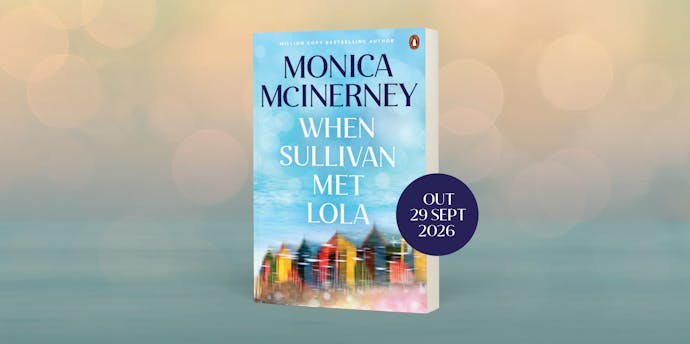
When Sullivan Met Lola by Monica McInerney
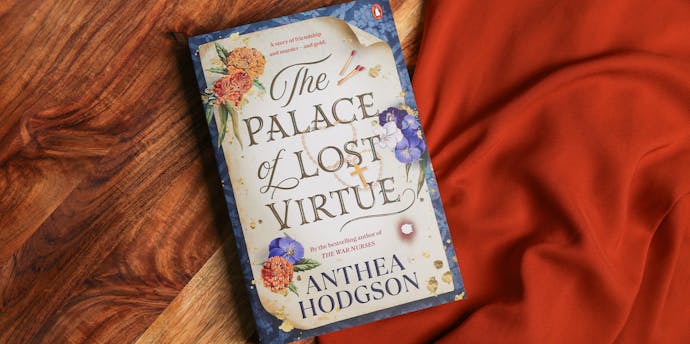
Reading group notes for The Palace of Lost Virtue.
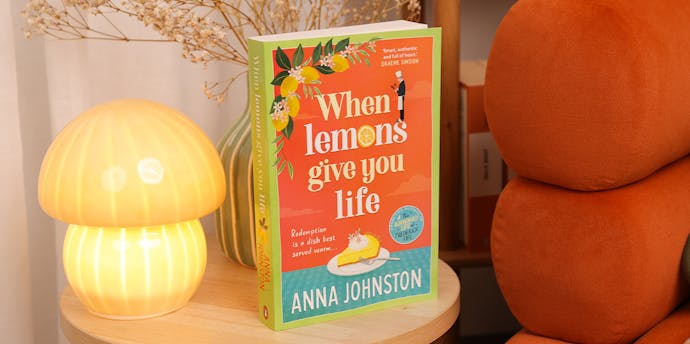
When Lemons Give You Life by Anna Johnston Discussion Questions
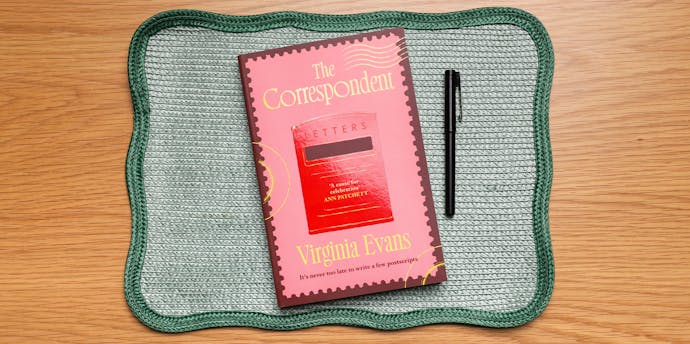
Book club questions: The Correspondent by Virginia Evans
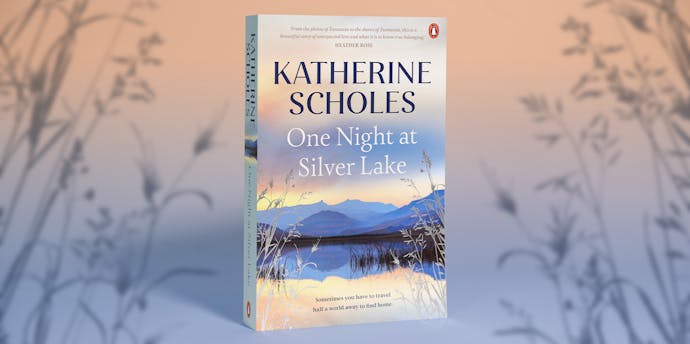
One Night at Silver Lake book club questions.