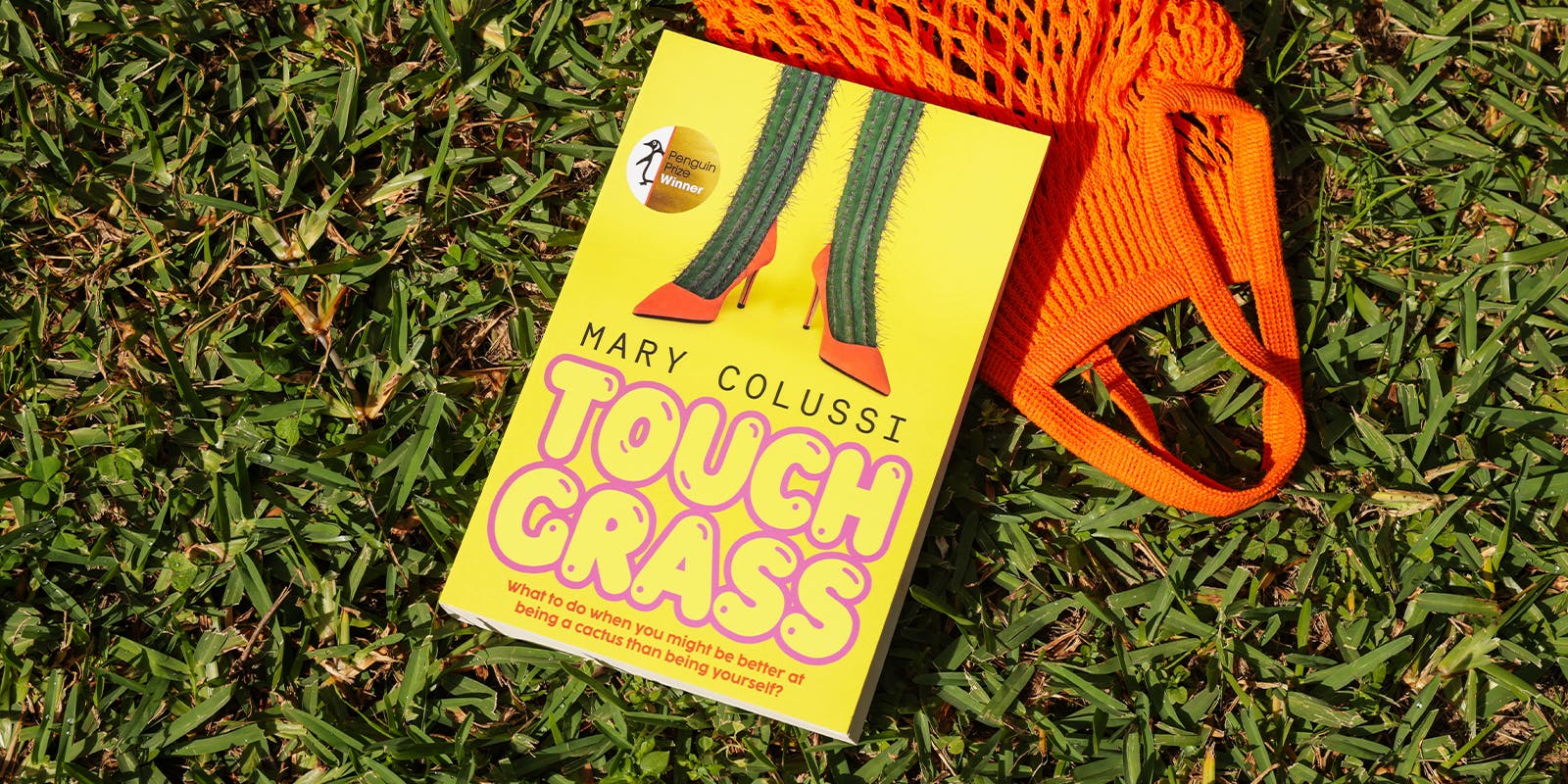
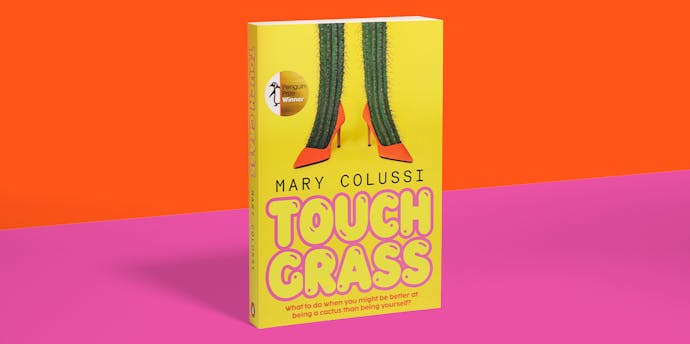
Reading Group Questions for Touch Grass

1. Were you familiar with the phrase ‘touch grass’ before reading the book? Did reading the book change your understanding of it? How important is it that we each find some time to ‘touch grass’?
2. The rabbits that open the novel are both adorable and invasive. Engineered and yet deeply alive. How does Touch Grass use them symbolically? What ideas do they raise about responsibility, control and unintended consequences?
3. Touch Grass is set in a future, or is it? It offers a vision of our potential that, when it isn’t saying ‘warning, warning’, is making us laugh. The algorithm, body politics, the online life and influencers are all explored. How does the novel portray adulthood, and is this the life we are headed for?
4. Food, hunger, exhaustion and physical discomfort are prevalent across this novel. What role does the body and the notion of consent play in the story?
5. How does the urban environment drive the narrative or influence the characters’ behaviour and identities?
6. Touch Grass illustrates that even when living in close contact with others, loneliness can exist. What do you think the author is exploring here?
7. Touch Grass frequently presents absurd or surreal situations in a matter-of-fact tone. How did this narrative style influence your reading? Did it make the story feel more realistic, more unsettling, or both?
8. Do you think the work Charlie performed at Fresh Start was ethical? Could this erasure be performed ethically, if the technological capability were developed? What are the inherent risks?
9. What would the implications be if immortality was attainable?
10. The parallel sibling relationships are central to this story. What makes the bond with the people we were raised alongside so powerful? Was there any moment that stuck out to you as encapsulating that unique relationship?
11. If you were to begin departing, what kind of object would you be interested to find your way into? And what would you be horrified to find yourself inhabiting? Why do you think it was in a cactus that Charlie felt most comfortable?
12. ‘And what was so superior about this filthy, trembling self? I, myself thought without a brain, felt without skin, breathed without lungs. I, my body had all the right parts, and yet.’ When Charlie finds herself split into ‘I, my body’ and ‘I, myself’’, she begins to feel discomfort at shrugging back into her physical form. Was this something you could relate to, even if you yourself have never departed?
13. Lady Lakes sees Charlie’s predicament as the solution to all her problems. What do you think she was really seeking? If she had been able to successfully teach herself to depart, do you think she would have achieved her goal?
14. What did you think of the concept of ‘Something was here’? Can you see any parallels between SWHs and real-world artifacts of our online lives?
15. Would you describe Touch Grass as a novel of existential despair, or of existential hope?

‘Charmingly wry and original.’ Georgia Harper
‘Sharp and inventive.’ Books + Publishing
Charlie deletes other people’s worst moments for a living; ironic, considering she’s been trying to forget her own for years.
Congratulations. You’ve already taken the first step towards becoming marginally more connected to the world around you.
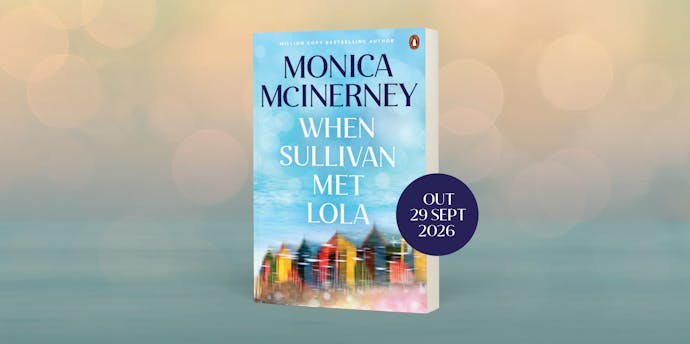
When Sullivan Met Lola by Monica McInerney
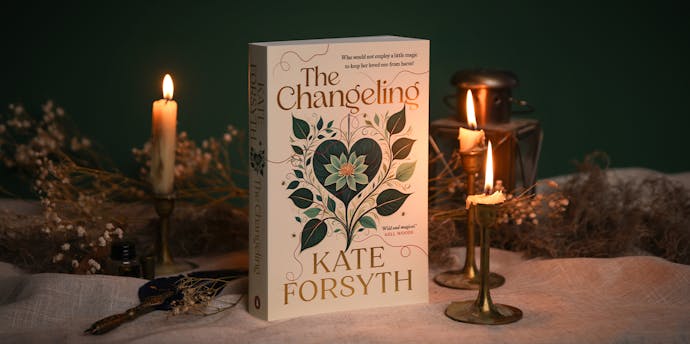
Reading group questions for The Changeling by Kate Forsyth
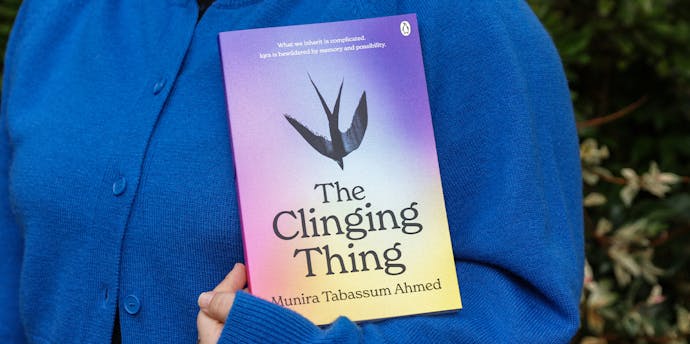
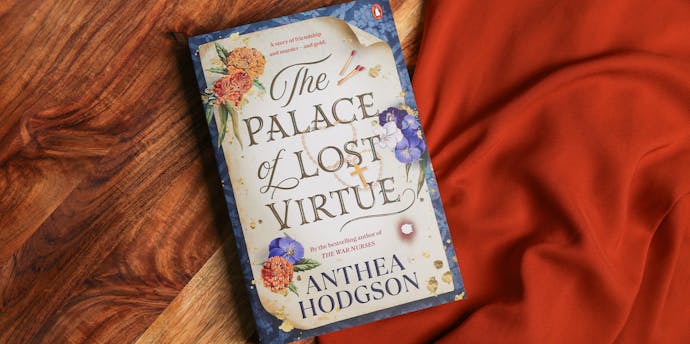
Reading group notes for The Palace of Lost Virtue.
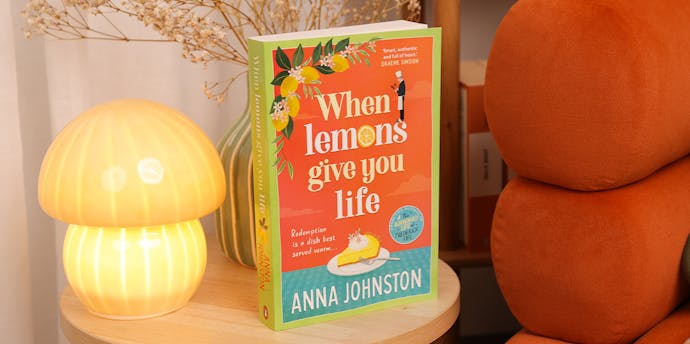
When Lemons Give You Life by Anna Johnston Discussion Questions
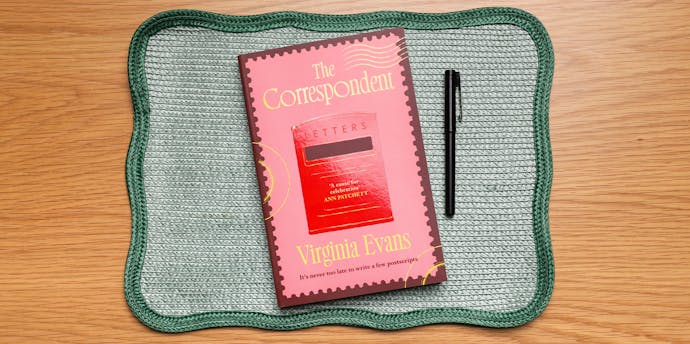
Book club questions: The Correspondent by Virginia Evans
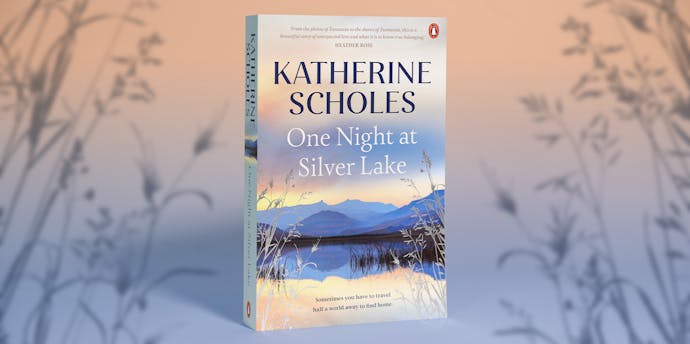
One Night at Silver Lake book club questions.
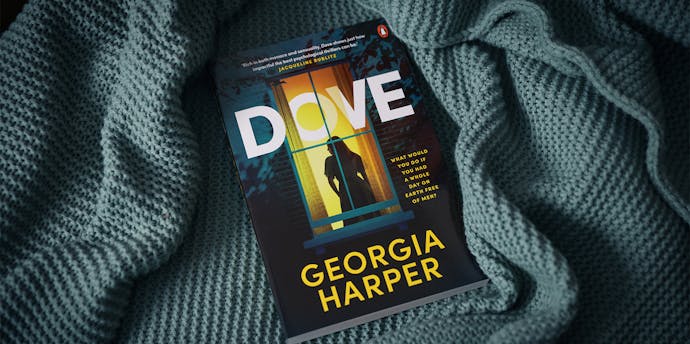

Start your Beth Is Dead book club discussion with these questions.