The past has never felt so present.
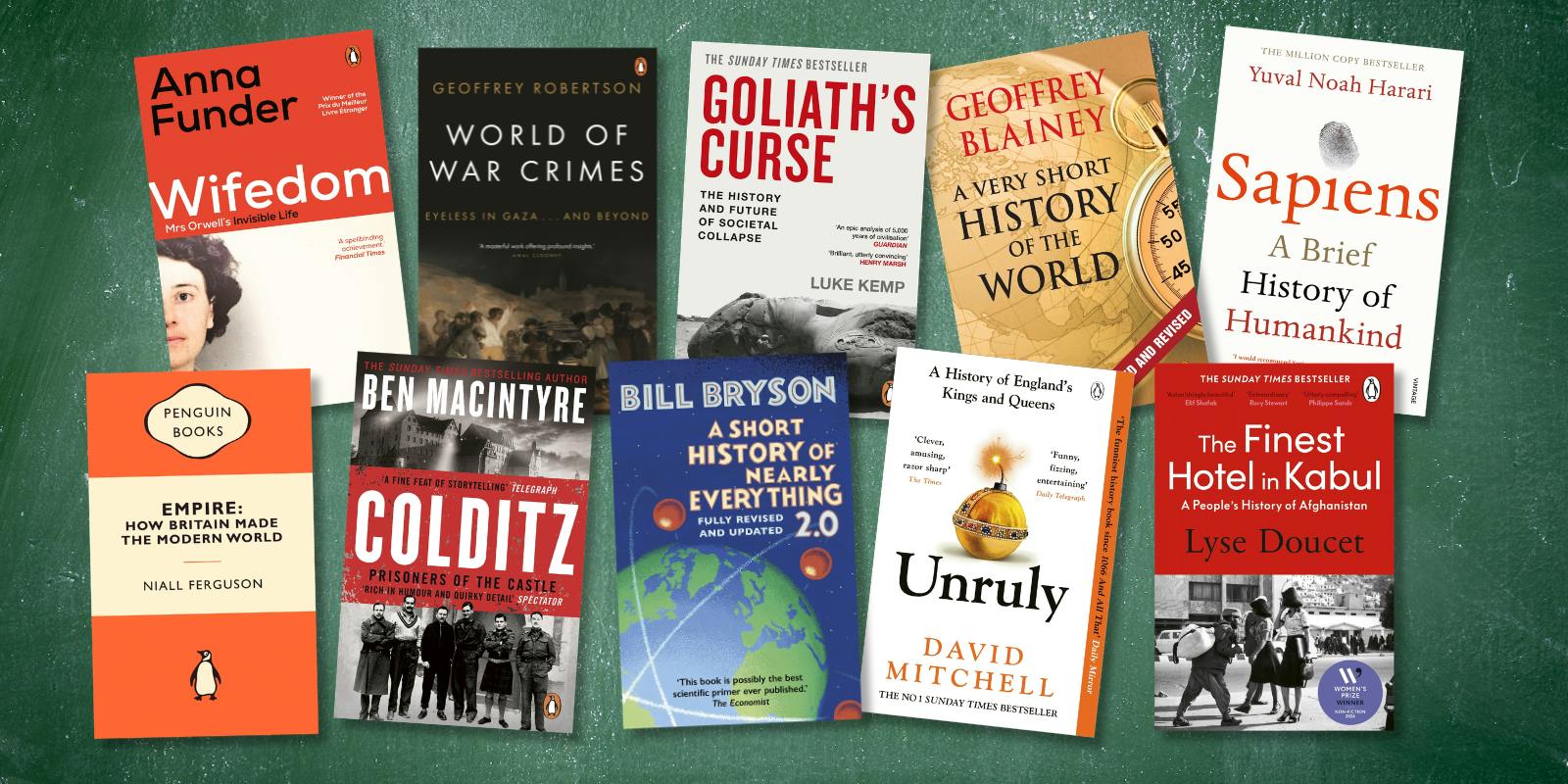
A broad and varied genre, history books do more than recount what happened in the past. They can explain why it still matters, connecting empires and elections, wars and workplaces and demonstrating how decisions made centuries ago still influence our world today.
The best history reads sweep across thousands of years or focus closely on a single place or chapter. Some challenge familiar narratives, while some use new research to reconsider the stories we thought we knew. At their strongest, they make complex subjects clear without flattening them, balancing scholarship with a strong sense of pace and curiosity.
The books below present their subjects with precision and authority, but they are never simply collections of facts. Each offers a distinct perspective on the past, illustrating how history is researched, interpreted and retold for a new generation of readers.
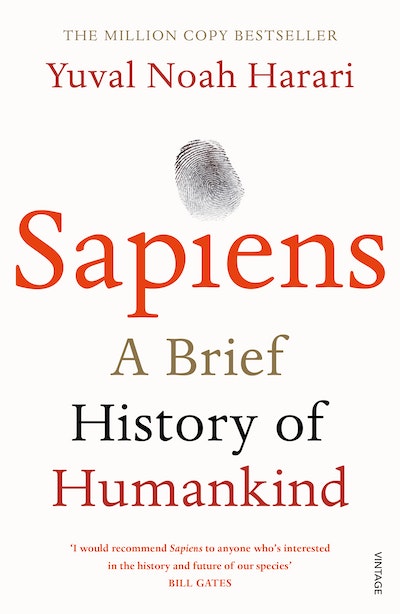
Sapiens Yuval Noah Harari
Tracing humanity from the Stone Age to the 21st century, Sapiens is a sweeping account of how one unremarkable species came to dominate the planet. Big-picture and endlessly quotable, it not only covers how we got here but also what’s next.
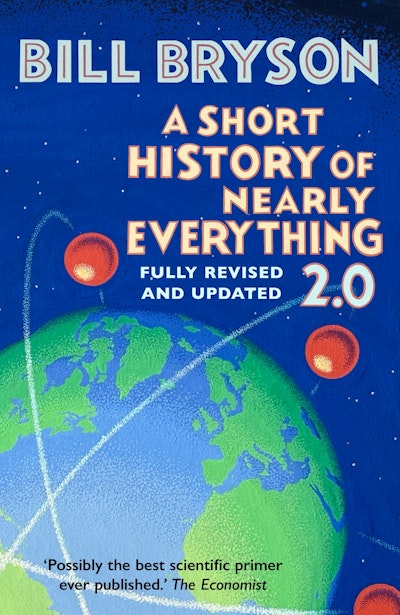
A Short History of Nearly Everything 2.0 Bill Bryson
From Pluto’s demotion to species of humans never seen before, this fully revised edition includes two decades of recent discoveries. Curious and witty, Bill Bryson turns the biggest questions about existence into a genuine page-turner.
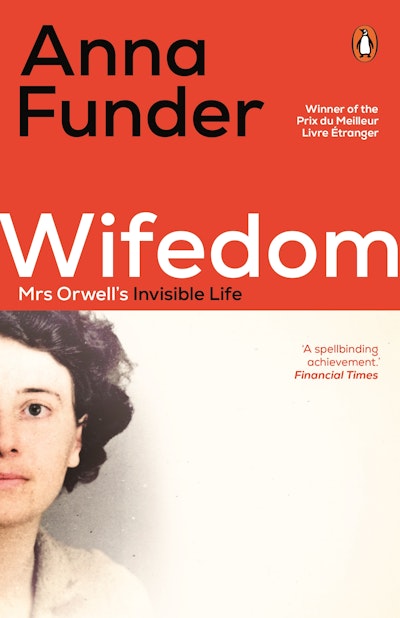
Wifedom Anna Funder
Part detective work, part reckoning, Wifedom resurrects Eileen O’Shaughnessy, George Orwell’s first wife. Blending biography, memoir, letters and imagined scenes, the book gives a voice to a woman that history quietly wrote out.
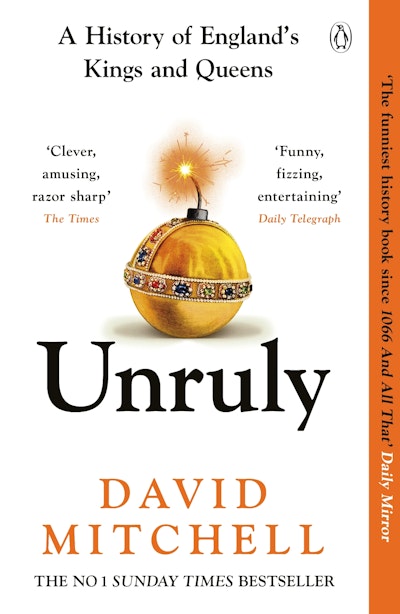
Unruly David Mitchell
Comedian and history enthusiast David Mitchell takes on England's earliest kings and queens, from the myth of King Arthur to the death of Elizabeth I. Thoroughly researched and genuinely funny, he shares tales of how the monarchy came to be and rulers behind the crowns.
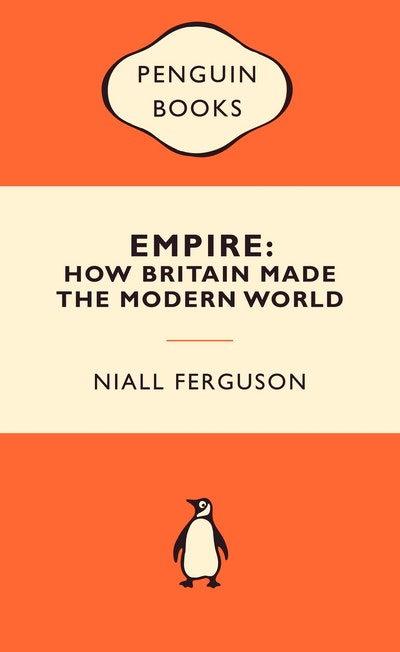
Empire Niall Ferguson
Tracing the rise and fall of the British Empire, this book explores both the ambition behind imperial expansion and the violence and disruption it left in its wake and scattered across the world.
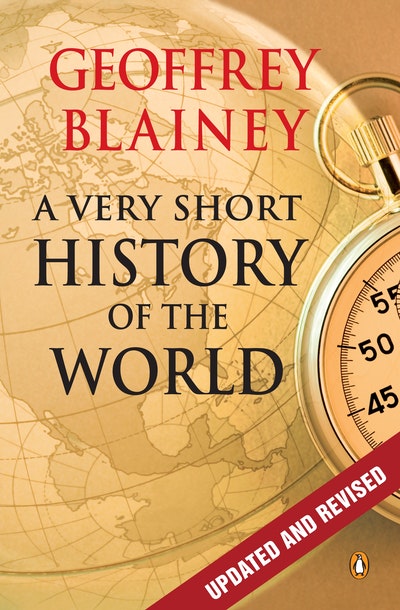
A Very Short History of the World Geoffrey Blainey
Four million years of human experience have been condensed into one brisk, accessible volume. Geoffrey Blainey offers a prime introduction to civilisation, tracing humanity’s journey from our earliest ancestors in Africa to present-day conflicts, including global terrorism.
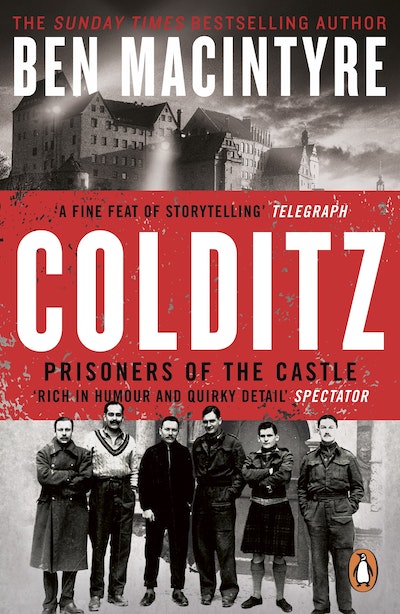
Colditz Ben Macintyre
Character-driven history at its most compelling, Colditz takes readers inside the notorious Second World War prison castle and beyond the legends of its famous escape attempts. Drawing on newly uncovered material, the book reveals the rivalries and secret alliances that shaped life within its walls.
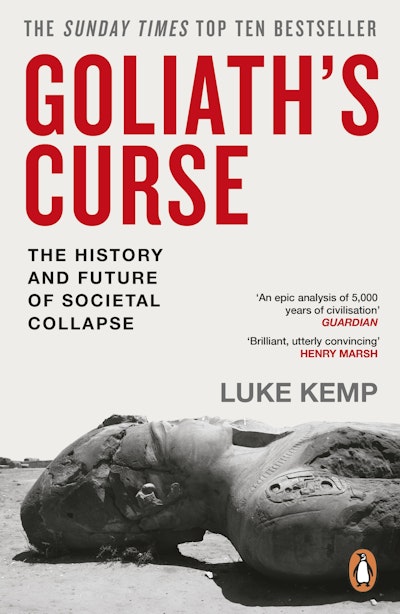
Goliath’s Curse Luke Kemp
Drawing on thousands of years of history, this wide-ranging account examines why powerful societies so often collapse under the weight of inequality and concentrated authority. Surveying ancient cities, sprawling empires, modern states and today’s interconnected world, it asks what the past can teach us about preventing future collapse.
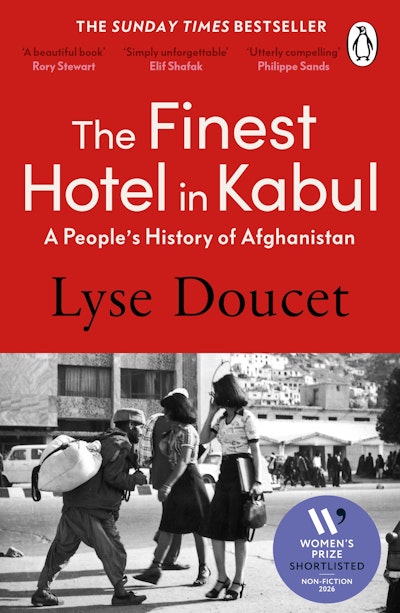
The Finest Hotel in Kabul Lyse Doucet
Opened in 1969 as a symbol of Afghanistan’s hopes for a modern future, the Inter-Continental Kabul has endured invasion, civil war and the return of the Taliban. Through the lives of the people who worked within its battered walls, the hotel’s story becomes an intimate account of a country shaped by decades of upheaval.
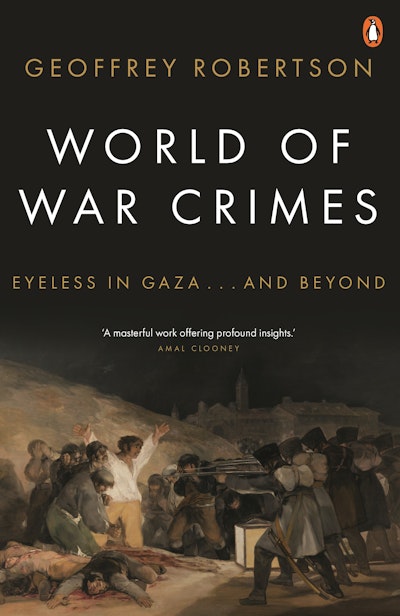
World of War Crimes Geoffrey Robertson
This timely book explains in clear, accessible language what constitutes a war crime today and why so few alleged offences lead to prosecution. Examining the responsibilities of military forces and governments, it offers an authoritative guide to recognising unlawful acts in a world increasingly marked by conflict.
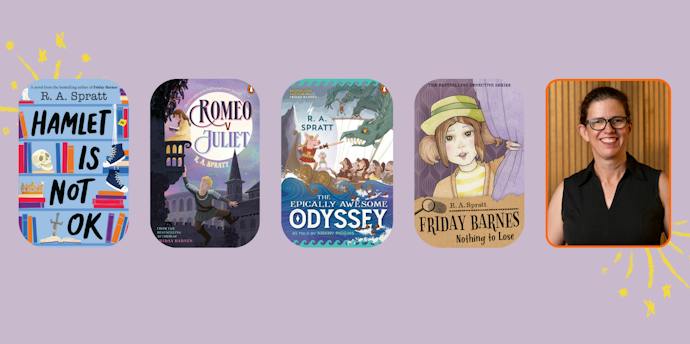
October is Dyslexia Awareness Month, a time to build greater awareness and understanding of dyslexia and the different ways people experience reading. Author R. A. Spratt shares some of the techniques she uses to make her books more accessible for dyslexic readers, along with practical reading and writing tips drawn from her own experience.
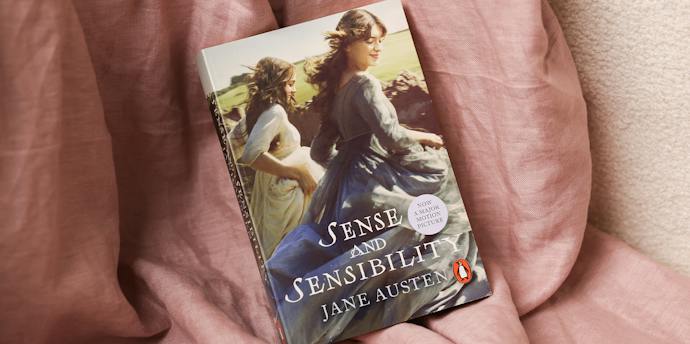
The Dashwood sisters return to the big screen in a new Sense and Sensibility adaptation starring Daisy Edgar-Jones and Esmé Creed-Miles.
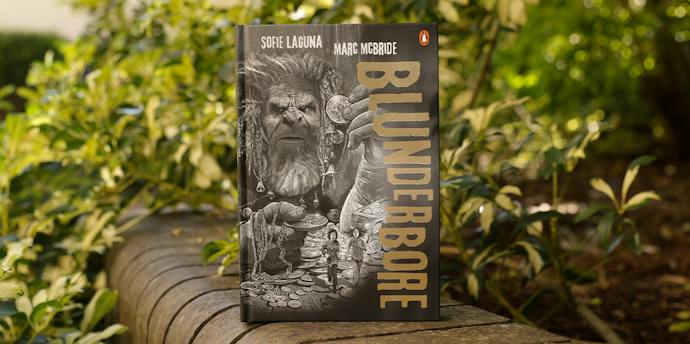
This is Jack and the Beanstalk like you’ve never seen it before! An exciting action-packed graphic adventure story set in the world of Jack in the Beanstalk. From award-winning author Sofie Laguna and monster-illustrator extraordinaire, Marc McBride.
Your unique spark determines which Fiercer will choose you, and which Gard you will belong to!
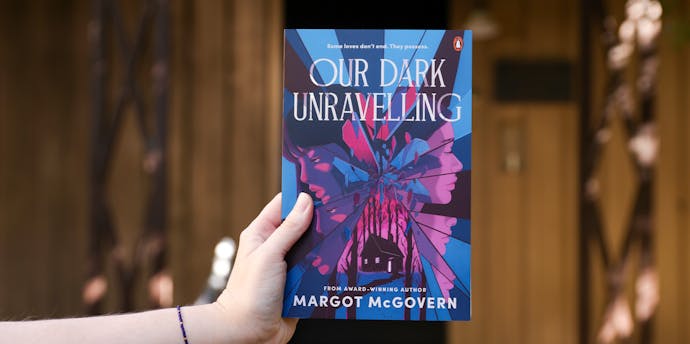
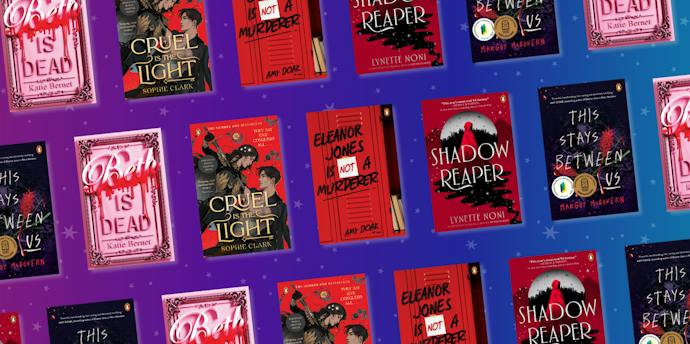
Margot McGovern’s Our Dark Unravelling is the must-read YA horror thriller for 2026.
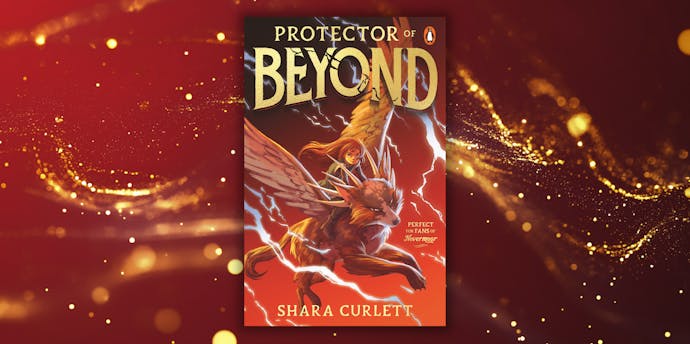
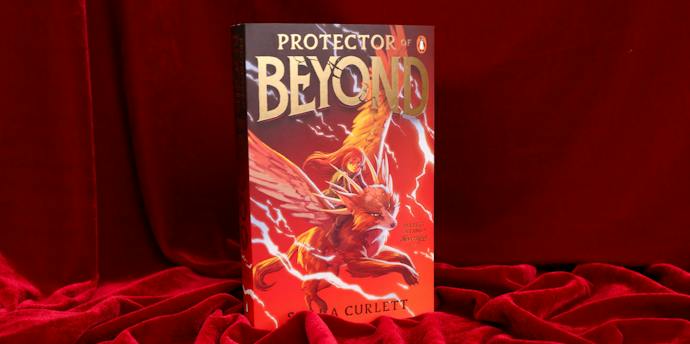
Magical creatures, perilous trials and one unbelievable adventure await in Protector of Beyond, the first book in a gripping new fantasy book series from exciting new voice Shara Curlett.

Fall in love with Penguin’s selection of the best romance fiction. Explore our diverse list of new favourite reads, from YA favourites to Australian classics.

Looking for a good book to accompany your holiday? Whether you’re sitting poolside, on a snowy escape or relaxing at home, find our 10 best choices here.

At the end of a busy day, many of us like to sit down with a good book or in front of the television to relax. Both offer the chance to enjoy a great story, but they engage us in their own ways.

Here's 5 things we know so far about Ottolenghi SIMPLE TOO!
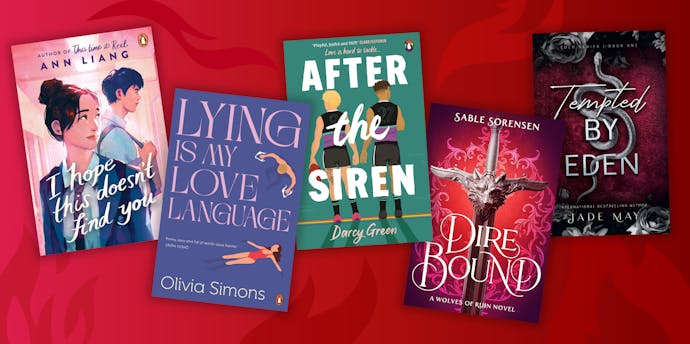
From a smouldering slow-burn to fiery heat at first bite, we’ve paired some of our best spicy books with our most delicious dishes.