
Both audiobooks and paperback books offer different ways to experience a story, each with its own distinct benefits.
Audiobooks have seen a significant rise in popularity in recent years, reflecting changing reading habits and increasing demand for accessible formats.
In this article, we explore the strengths of both audiobooks and reading, highlighting how each offers value without suggesting one is better than the other.
Key takeaways
- Audiobooks and reading offer different but equally valuable ways to experience books.
- Reading supports focus, immersion and deeper interaction with the text.
- Audiobooks provide accessibility and flexibility, fitting easily into daily routines.
- Research suggests comprehension is similar across both formats when attention is consistent.
- The best choice depends on personal preference.
The rise of the audiobook vs reading debate
Audiobooks were first developed in the 1930s as a way to make literature more accessible to blind and visually impaired readers. What began as a specialist format has since evolved into a widely embraced way of experiencing books, with digital platforms and smartphones making listening more convenient than ever.
As audiobooks have grown in popularity, so too has the debate around how they compare to traditional reading. Supporters of audiobooks often highlight their accessibility, flexibility and the added dimension of performance through narration. Those who favour print or eBooks point to the focus, pace and more profound engagement that reading on the page can encourage. When considering whether audiobooks are better than reading, both formats offer distinct advantages, shaping how readers connect with stories in different ways.
The benefits of reading
Total absorption
Reading, whether in print or on an e-reader, offers a level of immersion that is difficult to replicate elsewhere. With fewer external interruptions, it creates space to slow down and fully engage with a narrative. Readers can move at their own pace, pause to reflect and revisit passages when needed. This sense of control allows for a deeper connection with the material and sustained attention.
For many, reading also provides a welcome sense of quiet. It can become a ritual that offers distance from the noise of everyday life, creating a moment of focus that feels both restorative and absorbing.
 |
'I love reading physical books because it requires our full attention, which is good for those of us with wandering minds! We may not be able to go for a run or wash dishes while reading a physical book, but that allows us to be fully absorbed in the content and the story. |
Materiality
Physical books bring a sensory dimension to reading that extends beyond the words themselves. The weight of a book, the texture of the pages and even the familiar scent contribute to the overall experience. These tactile elements can make reading feel more grounded and memorable.
Research has also suggested that physical books can support navigation within a text. As cognitive scientist Daniel Willingham has noted in TIME magazine, having a sense of where you are in a physical book can help readers follow the structure of a narrative. This physical awareness can contribute to how stories are processed and understood.
For many readers, books are also objects to collect and keep. Shelves become a reflection of personal taste, interests and reading history, turning books into lasting artefacts as well as sources of knowledge and reflection.
E-books offer a different kind of material experience, one defined by flexibility and convenience. Adjustable fonts, built-in lighting and portability allow readers to tailor the format to suit their preferences. This can make reading more accessible, particularly for those who need larger text or who prefer to carry multiple titles at once.
 |
'There’s something special about reading a physical book that I don’t think any other format quite replaces. I love having a book with me on the train, at the beach or just curling up with one at home and giving it my full attention. I also love the tactile side of reading, turning the pages, seeing how far I’ve read and, of course, that new-book smell! There’s something lovely about having a beautifully designed edition or a well-worn sentimental copy that you can keep and display on your shelf.' |
Reread value
Reading lends itself naturally to revisiting. Physical books invite a more interactive relationship with the text, whether through highlighting passages, making notes in the margins or simply remembering where a favourite moment sits within the pages. This tactile engagement can deepen a reader’s connection to the material over time. E-books support this in equally practical ways. Digital tools allow readers to highlight text and search for specific phrases instantly. This makes it easy to return to key ideas or passages without losing the flow of the book. Across both formats, rereading becomes an important part of the experience. It allows readers to discover new layers of meaning, reflect on how their understanding has evolved and reconnect with stories that continue to resonate.
 |
'Reading physical books definitely sticks with me better than audiobooks. With the words in front of me, I can slow down, pause, reread a line or just sit with an idea for a moment before moving on. |
The case for audiobooks
Accessibility
Audiobooks open up reading in ways that traditional formats cannot always match. For children beginning their reading journey, they can support language development and comprehension while building confidence with storytelling. Listening can reinforce vocabulary, rhythm and structure in ways that feel engaging and intuitive.
For readers who are visually impaired, dyslexic or find print difficult to navigate, audiobooks provide an essential alternative. By removing the barrier of decoding text, they allow listeners to focus on meaning and interpretation. This makes literature more inclusive and ensures that stories remain accessible to a wider audience.
 |
The Yoto audiobook of Everything Under the Sun saved our bedtimes last year! Listening to it on repeat was the only thing that would get my daughter to stay put in bed long enough to fall asleep. She also enjoys reading along in the physical book while the audio is playing – which I’m sure helps her figure out how some of the trickier words are pronounced. |
Convenience
One of the defining strengths of audiobooks is their flexibility. They allow readers to incorporate books into moments that might otherwise go unused. Commuting, exercising, cooking or walking can all become opportunities to engage with a story.
While physical books and e-books encourage focused reading sessions, audiobooks allow you to experience stories in more contexts. They make it possible to continue engaging with books even when traditional reading is impractical.
This adaptability makes it easier to maintain a regular reading habit, particularly for those with busy schedules. Rather than setting aside dedicated time, listeners can weave books into their daily routines.
 |
'Audiobooks make a fantastic compliment to my print reading and allow me to soak up stories while in the kitchen, in the car or out running. They're a great way to bring books into your everyday. It's a singular joy to indulge in the experience of an author reading their own work. Narration from Stephen Fry, Jacinda Ardern, Omar Musa and Jon Ronson have been favourites of mine.' |
Author narration
Audiobooks also introduce a performative element that can deepen the experience of a text. In a similar way to film, narration brings tone, pacing and emotional nuance to the forefront, shaping how a story is received. This can be particularly effective for character-driven works, where voice plays a central role in conveying meaning.
Memoir is one of the most compelling examples of this. Hearing a story in the author’s own voice adds a layer of authenticity and intimacy that can be difficult to replicate on the page. It allows listeners to connect more directly with the perspective behind the words.
Titles such as A Different Kind of Power, Spare and Becoming demonstrate how narration can enhance personal storytelling. The author’s voice becomes part of the narrative, offering insight into both what is said and how it is expressed.
 |
'I especially love listening to memoirs. There’s another layer to someone’s story when you hear it told in their own voice. The emotion, humour and meaning they bring to particular moments can add something you simply can’t get from the page. |
Audiobooks vs reading: Which is ‘better’ than the other?
Both audiobooks and reading offer meaningful ways to engage with a text, each shaped by different strengths. While the experience varies, the underlying goal remains the same. Both formats connect readers with stories, ideas and perspectives.
Rather than asking which is better, it can be more useful to consider how each format supports different needs. Some situations call for focused attention and reflection, while others benefit from flexibility and ease of access. Understanding these differences helps to frame the discussion in a more balanced and practical way.
Do you retain more information reading than listening to an audiobook?
It’s often assumed that reading leads to better retention, but research suggests the difference is minimal. Brain imaging has found that semantic processing, or how we extract meaning from words, is remarkably similar across both formats. In practice, this means comprehension and recall are shaped less by whether you are reading or listening, and more by your level of focus and engagement.
That said, the format can influence how information is absorbed. Reading may make it easier to pause, revisit and process complex material, while listening can support understanding through tone, pacing and delivery. Rather than one being more effective than the other, each offers different advantages depending on the context.
Comprehension and literacy
Each format offers a distinct way of understanding a text. Audiobooks introduce performance elements such as tone, pacing and inflection, which can add clarity and emotional depth. This can be particularly useful for complex or stylistic works, where hearing the rhythm of the language enhances understanding.
On the other hand, reading encourages a more self-directed engagement with the text. It supports vocabulary development, spelling and broader literacy skills, while also allowing space for the reader’s imagination to shape characters, settings and tone.
Studies have shown that the brain processes meaning in similar ways whether we are reading text or listening to it, with overlapping neural networks responsible for language comprehension. Together, they offer complementary ways of engaging with language and meaning.
The best format is your personal preference
Ultimately, physical books, e-books and audiobooks all foster a love of reading in different ways. Each format offers its strengths, and the most effective choice depends on what suits your lifestyle and preferences.
For some, reading provides focus, quiet and a sense of immersion that is difficult to replace. For others, audiobooks offer flexibility and access that make it easier to stay connected to stories. Many readers move between formats, choosing what works best in different moments.
Rather than competing, audiobooks and reading print formats expand how people can experience stories. The best option is the one that keeps you curious, engaged and connected to the world of books.
Penguin Random House (PRH) has been made aware of people impersonating our authors, including Richard Flanagan, and contacting members of the public by email or through social media.
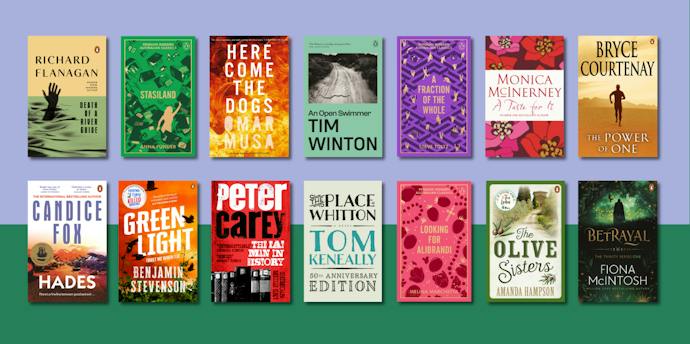
Every great author must start their story somewhere.
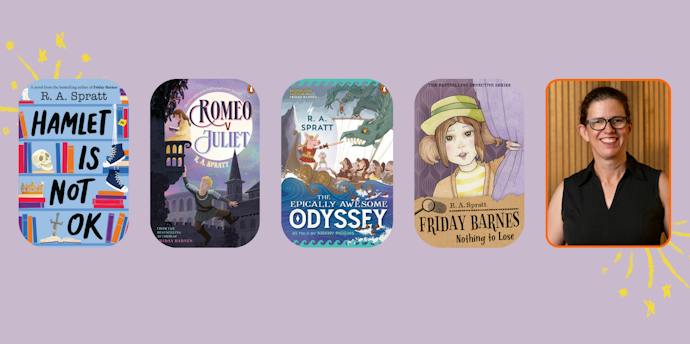
October is Dyslexia Awareness Month, a time to build greater awareness and understanding of dyslexia and the different ways people experience reading. Author R. A. Spratt shares some of the techniques she uses to make her books more accessible for dyslexic readers, along with practical reading and writing tips drawn from her own experience.

The Dashwood sisters return to the big screen in a new Sense and Sensibility adaptation starring Daisy Edgar-Jones and Esmé Creed-Miles.
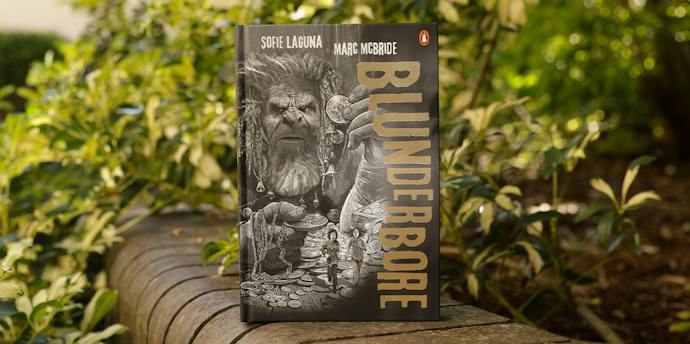
This is Jack and the Beanstalk like you’ve never seen it before! An exciting action-packed graphic adventure story set in the world of Jack in the Beanstalk. From award-winning author Sofie Laguna and monster-illustrator extraordinaire, Marc McBride.

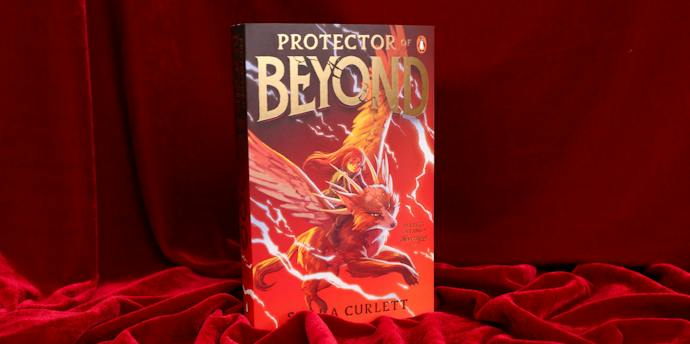
Your unique spark determines which Fiercer will choose you, and which Gard you will belong to!
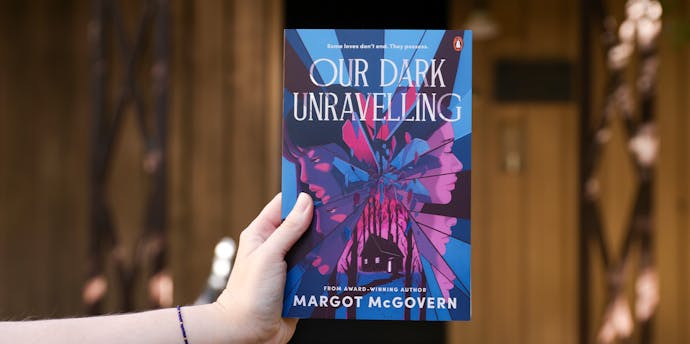
Margot McGovern’s Our Dark Unravelling is the must-read YA horror thriller for 2026.
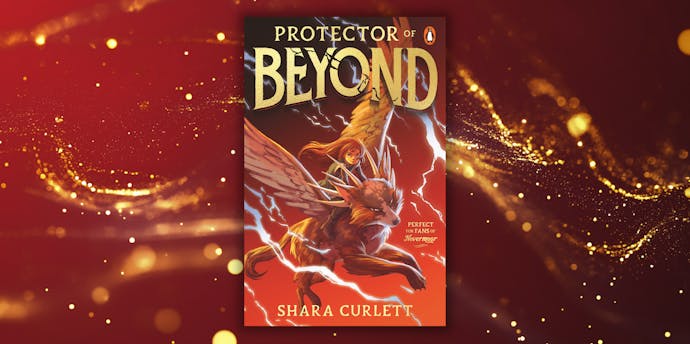
Magical creatures, perilous trials and one unbelievable adventure await in Protector of Beyond, the first book in a gripping new fantasy book series from exciting new voice Shara Curlett.

Fall in love with Penguin’s selection of the best romance fiction. Explore our diverse list of new favourite reads, from YA favourites to Australian classics.

Looking for a good book to accompany your holiday? Whether you’re sitting poolside, on a snowy escape or relaxing at home, find our 10 best choices here.