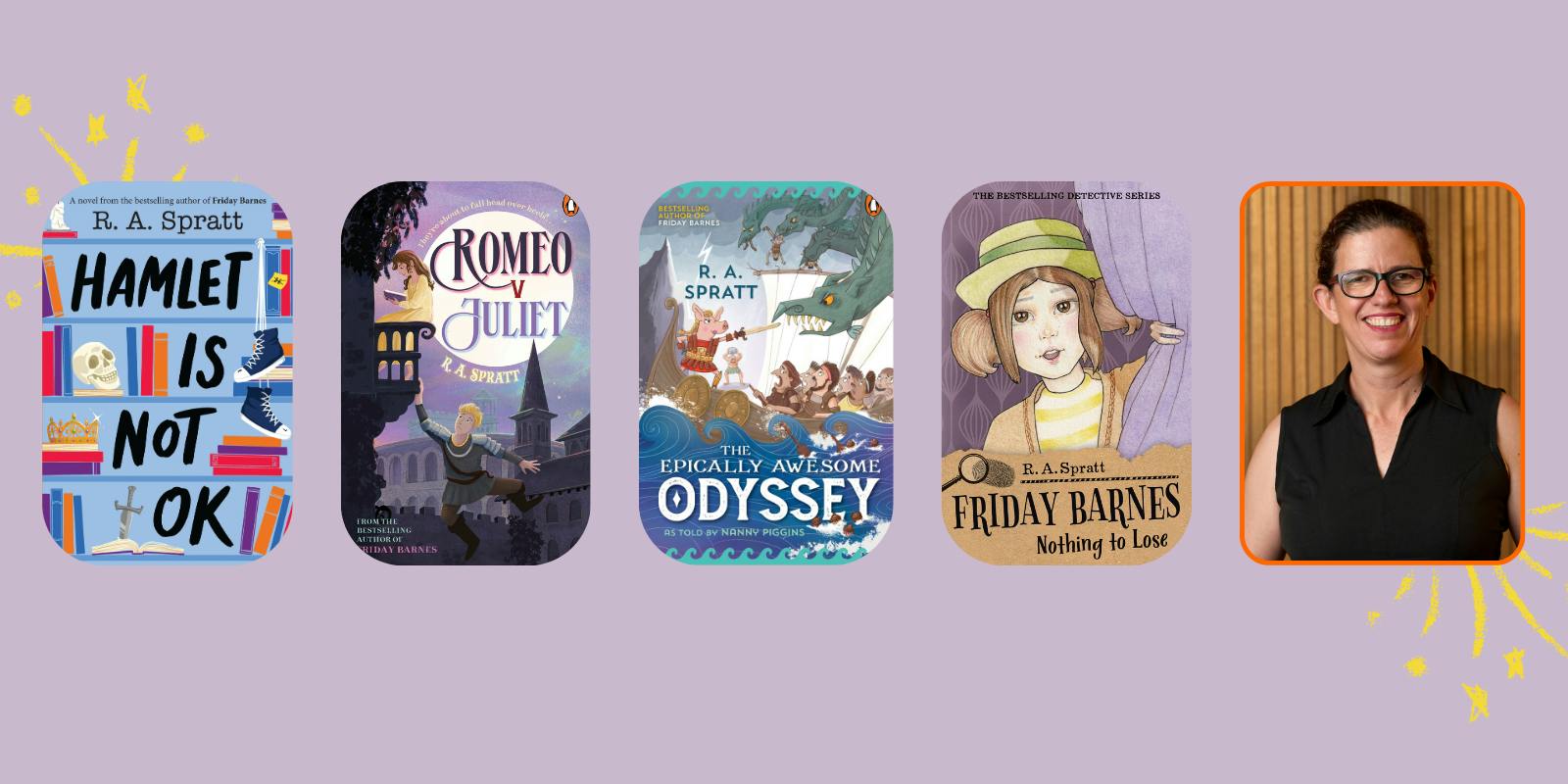
October is Dyslexia Awareness Month, a time to build greater awareness and understanding of dyslexia and the different ways people experience reading. Author R. A. Spratt shares some of the techniques she uses to make her books more accessible for dyslexic readers, along with practical reading and writing tips drawn from her own experience.
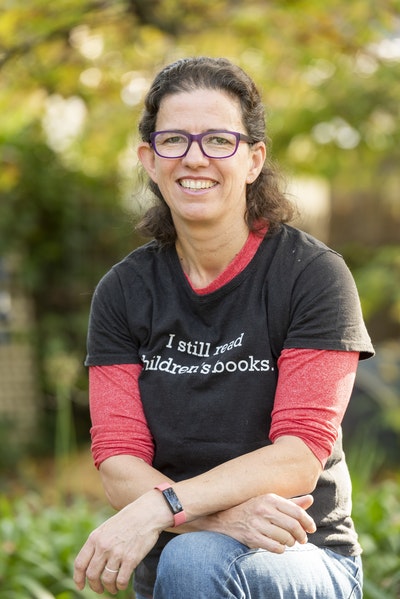
I have never been formally diagnosed with dyslexia. But then, I did go through school during the 80’s when very few people were diagnosed with anything.
There is, however, no doubt that I am bad at spelling, I struggle with grammar, I read out-to-in (both left-to-right and right-to-left at the same time) which means my brain gets jumbled and often reads things that aren’t there, I am much slower at reading than other people and I am significantly slower at writing by hand.
When I sat the HSC, English was my lowest mark. In the English exam, when the clock started, I was always the last person still reading, long after I could hear everyone else had picked up their pens and started writing.
So there is definitely something going on with me and reading. Although I do realise I have it a lot easier than many dyslexic people. I don’t have problems with the flipping letters (b’s and d’s etc).
If you’re curious about the way my brain works when I read, check out the opening chapters of Hamlet is Not OK. It’s very autobiographical. Through Selby I describe all my own struggles, that led to me avoiding reading altogether when I was 15.
Now, you’re probably thinking – but R.A. Spratt, how can this be? You’re a super successful writer! Objectively, this is true. I have written for 35 television shows, won 5 Australian Writers Guild Awards and written 36 middle grade novels. Cleary, over the years, I’ve figured out work arounds to overcome my reading issues.
As such, there are several things I do when I write my books to make it easier for people who may have similar problems. If you read any of my novels, you’ll notice I do the following things…
- Avoid big blocks of description. A page full of text that is both left and right aligned is visually overwhelming. It’s very hard to retain concentration for large paragraphs of straight text. It’s much easier to read dialogue and short paragraphs.
- Avoid long “architectural” sentences. For the dyslexic brain, long sentences are like Theseus going into the Labyrinth without a ball of string. By the time you get to the end of a long compound sentence, you can’t remember where you started. So I break up compound ideas into multiple sentences.
- I use lots of dialogue. There is much more white space on the page with dialogue. The text is left aligned (not left and right aligned) and indented for each new speaker, which makes it much easier for the reader to read in chunks.
- Every line of dialogue has a speech tag. Speech tags help avoid confusion. If this is too may speech tags for you, your brain will just skip them. For dyslexic readers, they are anchors for understanding.
- I use shorter paragraphs. A paragraph that is a whole page long (I’m looking at you Joseph Conrad) is like starting a journey when you’re already lost. It’s overwhelming.
- Sometimes, I hyphenate compound words if I think it will make the word easier to read (I have had many arguments with editors about how little I care for the notion that the Macquarie Dictionary is the arbiter of these things). If you go back and look at the second paragraph of this article you will notice that I hyphenated several ideas that didn’t need hyphenation, but it made it easier to read.
- I am also careful with the names I use for characters. Long unfamiliar names can make a reader grind to a halt and lose momentum (Tolstoy, I’m looking at you).
- I have used dyslexic friendly fonts. I know there is debate about whether Dyslexie or similar dyslexic friendly fonts do actually help dyslexic readers. But I have tried using them in several of my books.
- Personally, I find a bigger font helps (it means there are less words on the page to jumble up). So, particularly when I’m tired, I like reading on a kindle. It lets me bump up the point size of the font. If you do find Dyslexie helpful, the new kindles will also allow you to change the font to Dyslexie.
- Finally, I do not dumb down content or humour. Being dyslexic does not mean you are stupid or ignorant. Just because it takes someone longer to read does not mean they don’t know stuff. They still enjoy sophisticated humour and ideas as much as anyone else. They just might need help with how the text is packaged.
Before I go – I just want to say for anyone else who struggles with reading – I am a big fan of finger reading. If you ever see me performing live on stage, I will often be finger reading. When I’m adrenalised and nervous, running my finger along the line as I read genuinely helps. I also narrate all my own audiobooks which is a challenge. Especially late in the day when I’m tired. I can’t exactly finger read (the microphone picks up the sound of my finger on the page, or iPad screen), so I either use an autocue or hold my hand really close, but not quite touching the page/screen to stop my brain jumping all about the page and confusing myself.
Now, all the things I describe above are self-taught. Please do try and find out more information from someone better qualified than me. I just wanted to write something to let you know, those of us writing novels do think about these things and try to do our best by you.
Also, for those of you who don’t struggle with reading, please be mindful – everyone’s brain works differently. Reading is an incredibly complicated process for the brain. Not every brain performs that process in the same way. Reading slowly is not necessarily reading badly. I am a slow reader and a bad speller but I have incredibly good comprehension of what I’ve read. And if you needed someone to explain a piece of written work verbally, you’d be hard pressed to find someone better at that kind of thing with me. You may be baffled by my inability to spell, but my brain can do things I’m baffled that you can’t do. We are all different and that’s okay, in fact isn’t essential to human survival, so let’s try our best to be kind to each other.
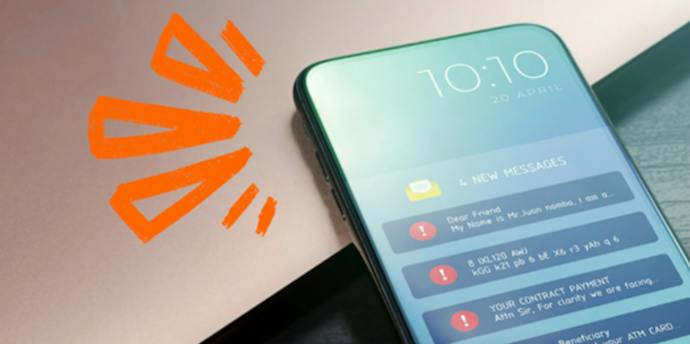
Penguin Random House (PRH) has been made aware of people impersonating our authors, including Richard Flanagan, and contacting members of the public by email or through social media.
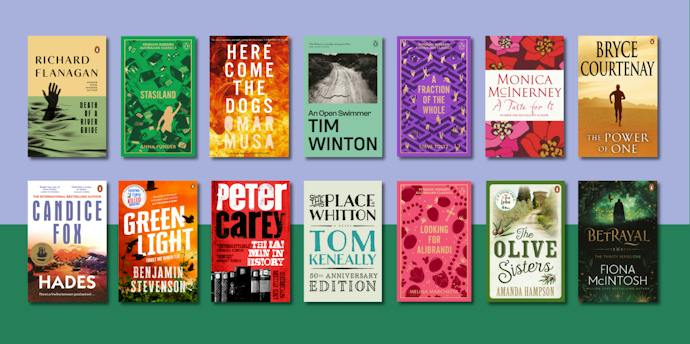
Every great author must start their story somewhere.

Both audiobooks and paperback books offer different ways to experience a story, each with its own distinct benefits.
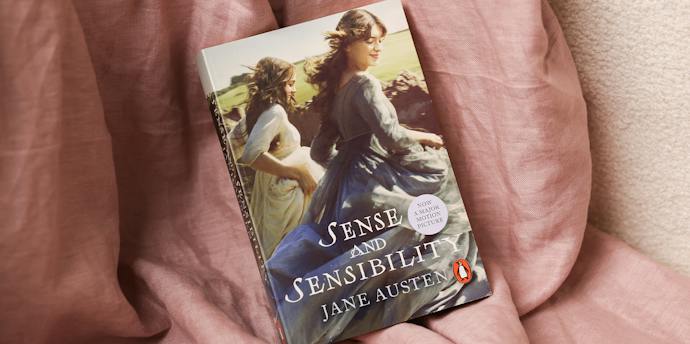
The Dashwood sisters return to the big screen in a new Sense and Sensibility adaptation starring Daisy Edgar-Jones and Esmé Creed-Miles.
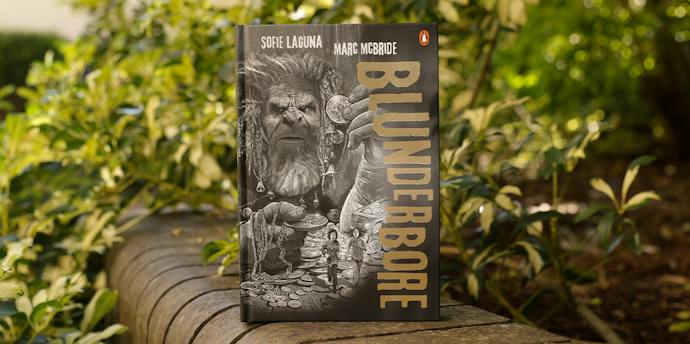
This is Jack and the Beanstalk like you’ve never seen it before! An exciting action-packed graphic adventure story set in the world of Jack in the Beanstalk. From award-winning author Sofie Laguna and monster-illustrator extraordinaire, Marc McBride.
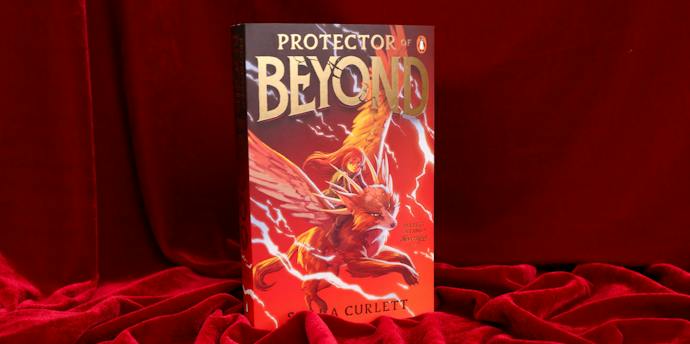
Your unique spark determines which Fiercer will choose you, and which Gard you will belong to!
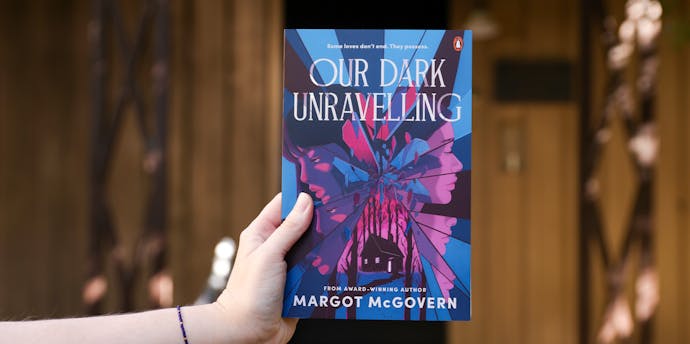
Margot McGovern’s Our Dark Unravelling is the must-read YA horror thriller for 2026.
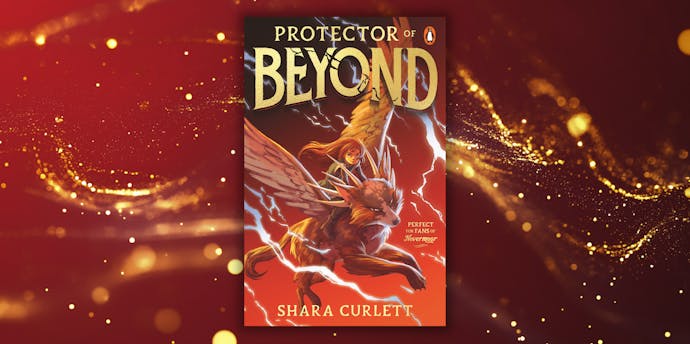
Magical creatures, perilous trials and one unbelievable adventure await in Protector of Beyond, the first book in a gripping new fantasy book series from exciting new voice Shara Curlett.

Fall in love with Penguin’s selection of the best romance fiction. Explore our diverse list of new favourite reads, from YA favourites to Australian classics.

Looking for a good book to accompany your holiday? Whether you’re sitting poolside, on a snowy escape or relaxing at home, find our 10 best choices here.