> Skip to content
[]
Play sample
  • Published: 3 November 2009
  • ISBN: 9781101184974
  • Imprint: PEN US eBook Adult
  • Format: EBook
  • Pages: 480

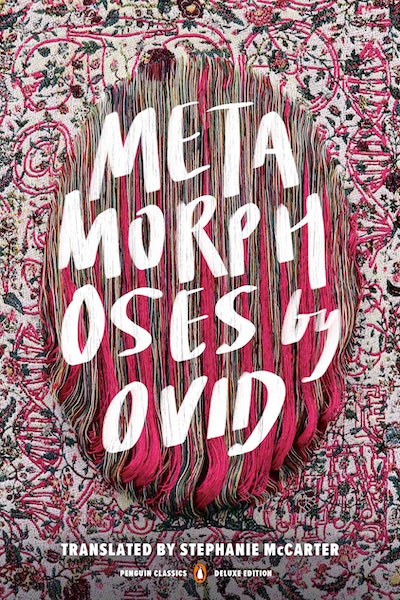
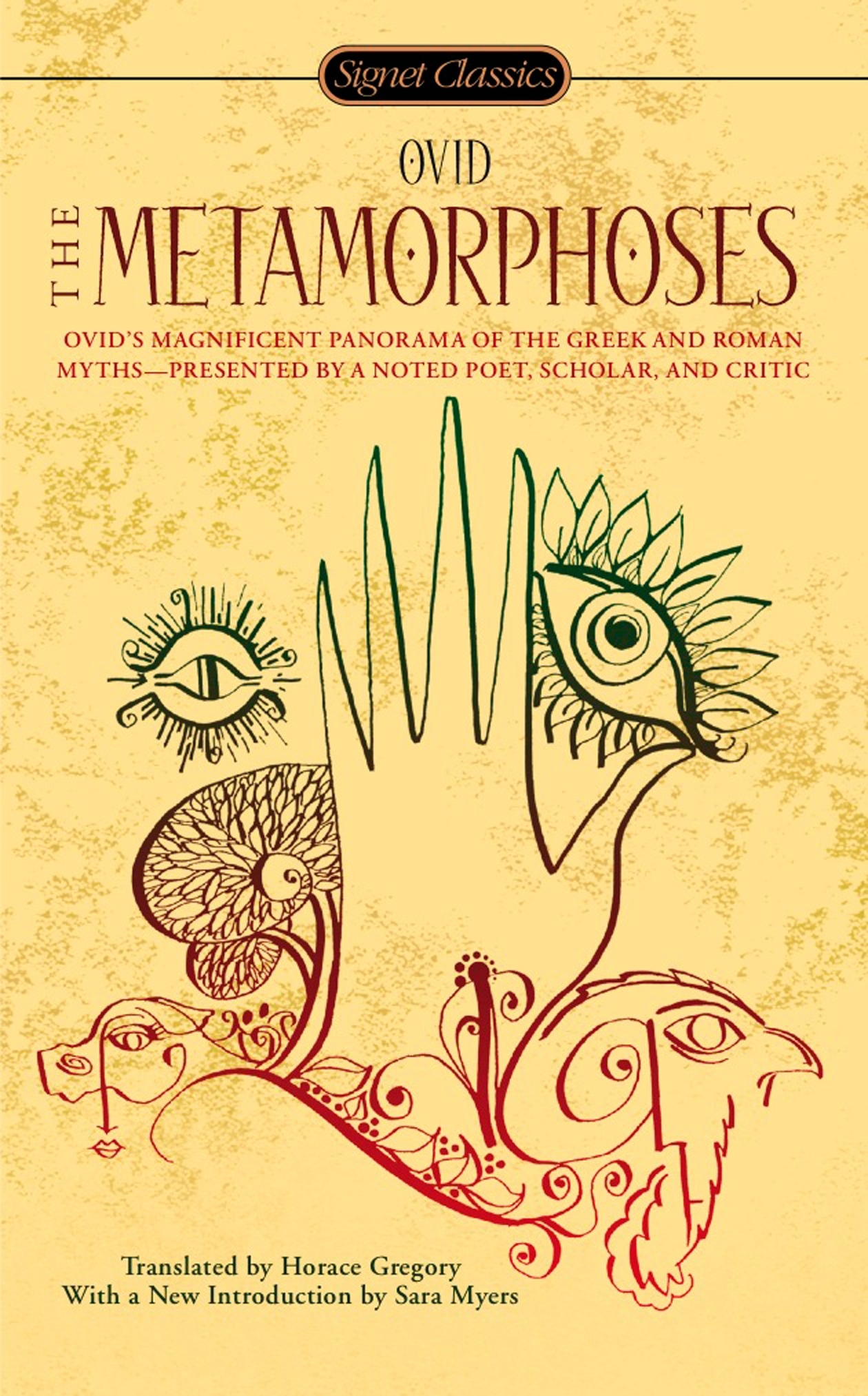
Metamorphoses


"I think this version is terrific. The light enjambed English hexameters are a great success. The effect is properly propulsive." - Prof A D Nuttall, Oxford

Ovid’s famous mock epic—a treasury of myth and magic that is one of the greatest literary works of classical antiquity—is rendered into fluidly poetic English by world-renowned translator Allen Mandelbaum.

Roman poet Ovid’s dazzling cycle of tales begins with the creation of the world and ends with the deification of Caesar Augustus. In between is a glorious panoply of the most famous myths and legends of the ancient Greek and Roman world—from Echo’s passion for Narcissus to Pygmalion’s living statue, from Perseus’s defeat of Medusa to the fall of Troy. Retold with Ovid’s irreverent flair, these tales are united by the theme of metamorphosis, as men and women are rendered alien to themselves, turned variously to flowers, trees, animals, and stones. The closest thing to a central character is love itself—a confounding, transforming, irrational force that makes fools of gods and mortals alike.

The poem’s playful verses, both sensually earthy and wittily sophisticated, have reverberated through the centuries, inspiring countless artists and writers from Shakespeare to the present. Frequently translated, imitated, and adapted, The Metamorphoses has lost none of its power to provoke and entertain.
  • Published: 3 November 2009
  • ISBN: 9781101184974
  • Imprint: PEN US eBook Adult
  • Format: EBook
  • Pages: 480

About the author

Ovid

Ovid, or Publius Ovidius Naso, was born in a well-off provincial family in 43 B.C.E. and came to Rome to make a career in government and law, soon abandoned so he could devote himself to poetry. He made his name with love poetry and learned love-letters from famous heroines, then displeased the emperor Augustus by publishing an irreverent lover’s handbook. In 8 C.E., the emperor exiled him to Tomis on the Black Sea, where he composed verse-letters filled with longing for the city he loved, and a long poem on the Roman calendar. He died in exile in 17 C.E. The Metamorphoses, his epic masterpiece on change, weaves together tales from Greek mythology and Roman legend with riffs on Homer, Vergil, Greek tragedy, and more. A one-of-a-kind exploration of the human condition that has been read continuously since its composition, it has given rise to countless responses and interpretations in every artistic medium.