LGBTQIA+ | Ultimate Pride Book List
Celebrate Pride with these wonderful LGBTQIA+ books and authors.
We share stories about love, identity and self-acceptance that resonate across communities. This collection of books brings together LGBTQIA+ titles from across Penguin Books Australia’s publishing list, spanning contemporary fiction, memoir, romance, cultural writing and enduring classics. You’ll find big-hearted romances alongside sharp, searching literary fiction. You’ll also discover first-person accounts that sit with you long after you finish. If you are looking for LGBTQIA+ books that speak to love, identity, resistance and belonging, you will find plenty to explore here.


Powerful new voices in queer storytelling
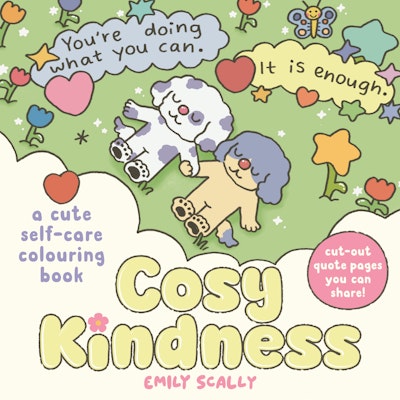
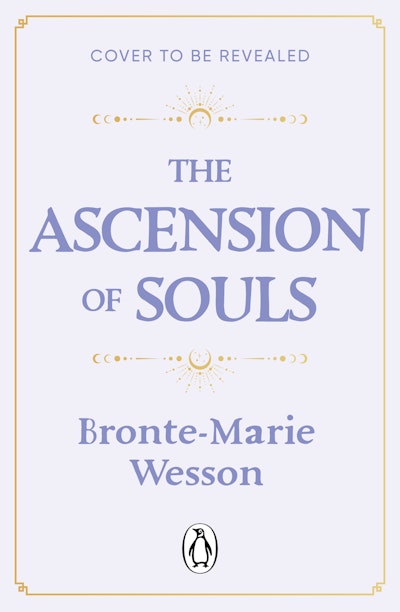
Discover books written by first-time authors who identify as queer. In Cosy Kindness, Aussie artist Emily Scally pairs 40+ bold colouring pages with affirmations that celebrate self-compassion and connection. Bronte-Marie Wesson’s The Ascension of Souls, the first book in the Broken Cycle trilogy, centres around an ambitious fantasy universe shaped by prophecy, reincarnation and political upheaval.
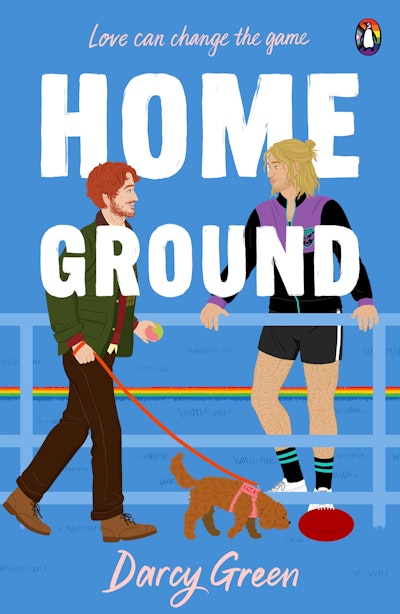
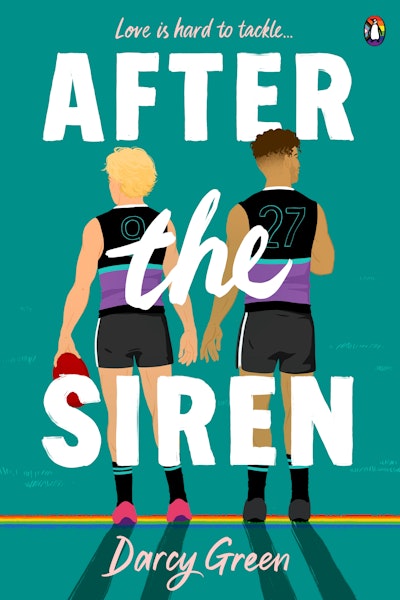
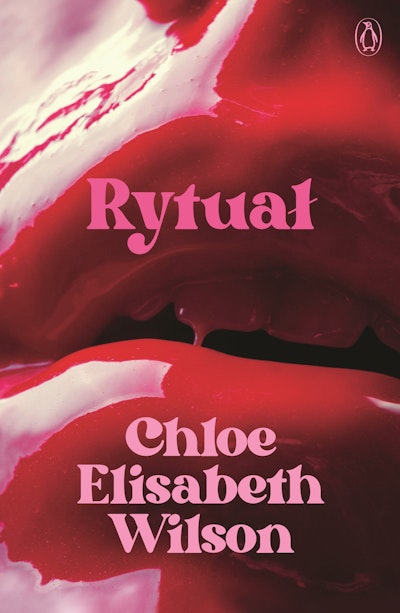
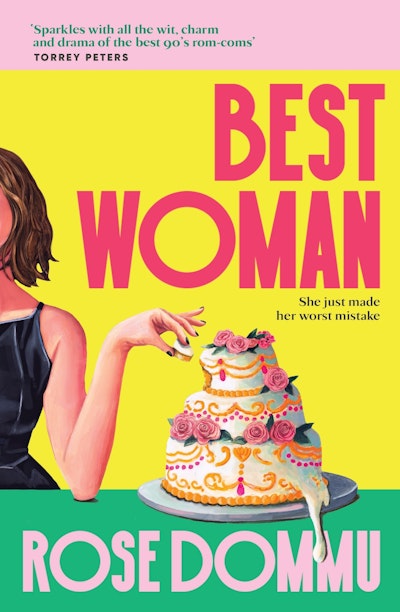
Darcy Green’s After the Siren delivers a spicy enemies-to-lovers AFL rom-com, while Chloe Elisabeth Wilson’s Rytual offers a darkly funny examination of beauty, power and desire inside a cult-like cosmetics brand. Rose Dommu’s Best Woman follows a trans woman returning home to be ‘best woman’ at her brother’s wedding, confronting family expectations and first love along the way.
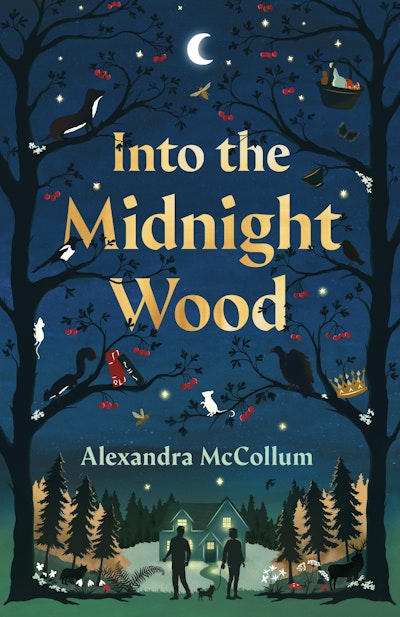
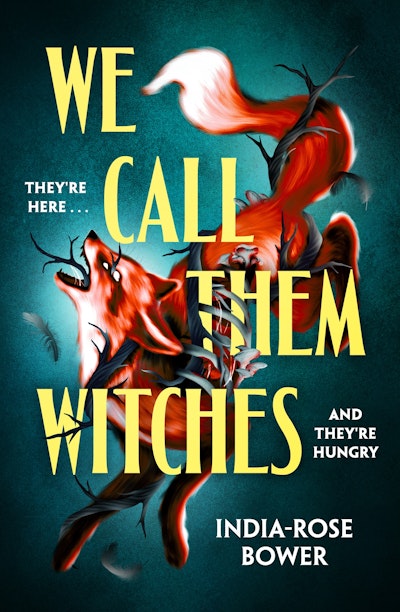
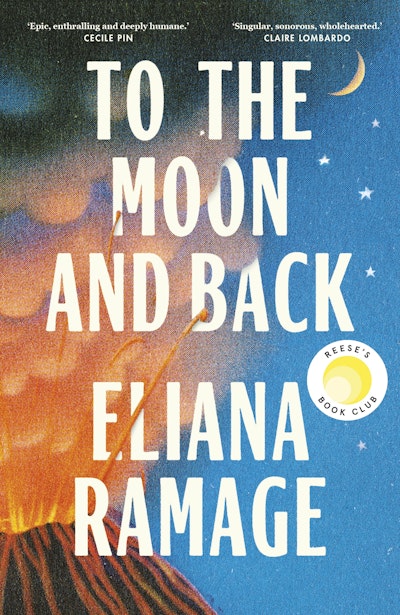
Alexandra McCollum’s Into the Midnight Wood reimagines the queer fairy tale, and India-Rose Bower’s We Call Them Witches blends sapphic romance with pagan folklore in a post-apocalyptic Britain. In To the Moon and Back, Eliana Ramage traces one woman’s quest to become the first Cherokee astronaut across decades and continents.
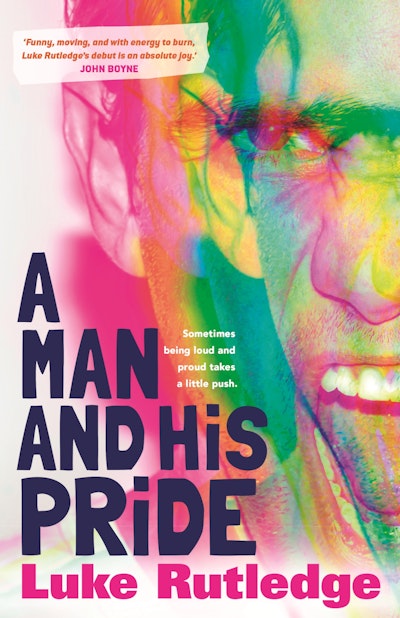
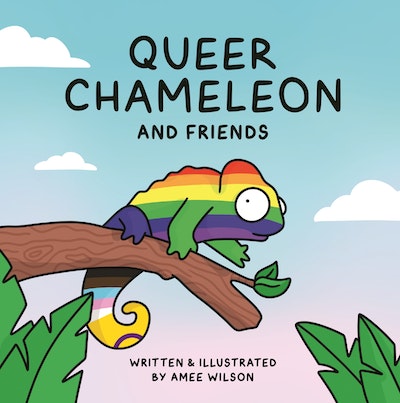
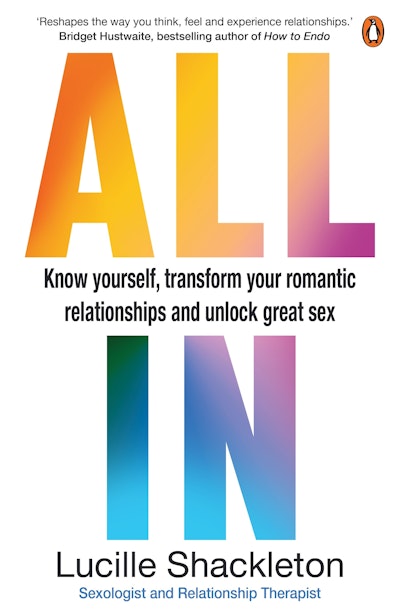
Luke Rutledge’s A Man and His Pride explores identity and self-acceptance in Brisbane during the 2017 same-sex marriage plebiscite. Amee Wilson’s Queer Chameleon and Friends celebrates LGBTQIA+ life through vibrant illustrations, and Lucille Shackleton’s All In offers inclusive, practical guidance on love and relationships.
Readers seeking contemporary queer romance fiction or romantic gay books will find strong starting picks here.

Contemporary queer fiction
Contemporary queer fiction sits in the present while remaining in conversation with history. These novels are shaped by the realities of modern life and the ongoing evolution of language, politics and intimacy.
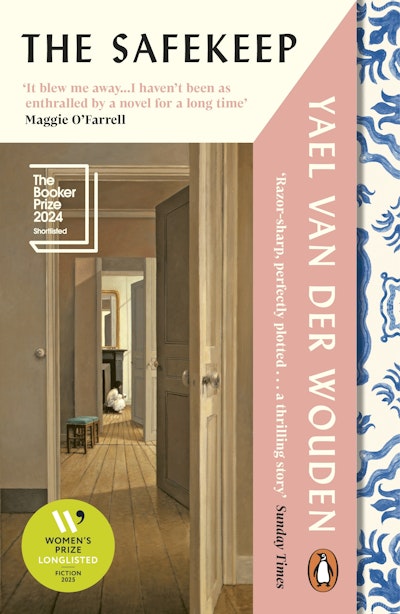
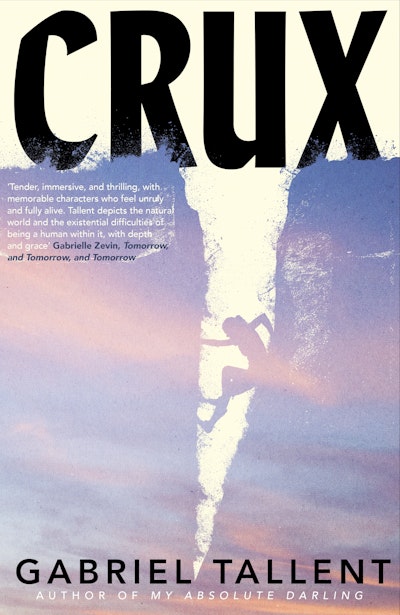
In The Safekeep, Yael van der Wouden places us in the uneasy stillness of post-war Europe, where a woman’s carefully controlled life is disrupted by a guest who refuses to stay in her place. Gabriel Tallent’s Crux takes readers to the raw landscapes of California, following two teenagers who climb higher and risk more than they probably should, driven by friendship and something harder to name.
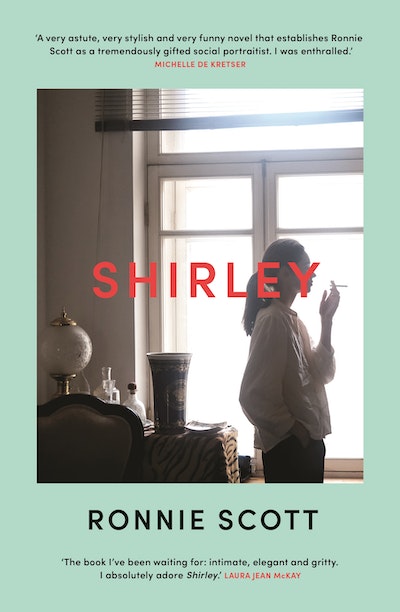
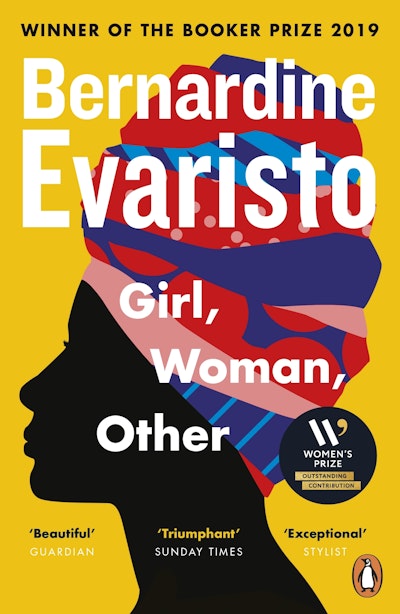
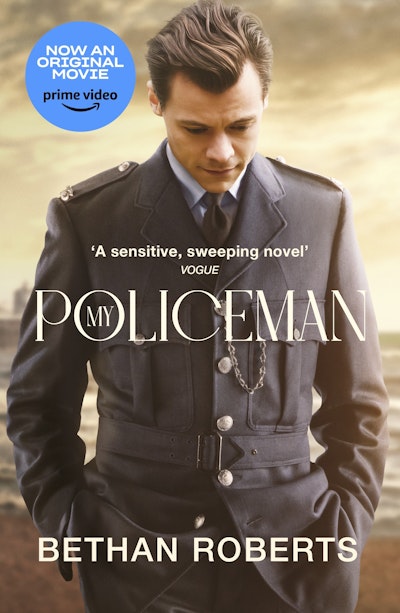
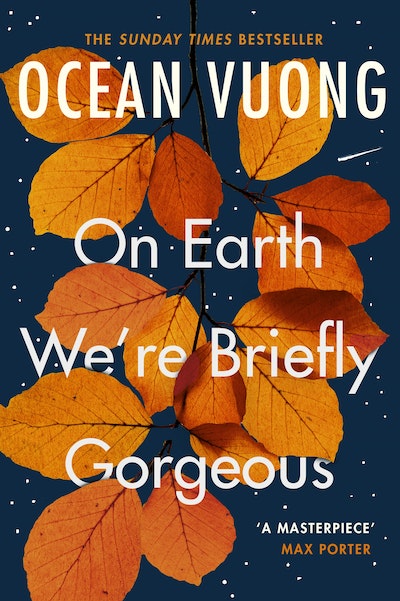
Ronnie Scott’s Shirley questions fame and fixation, asking who we give ourselves to and why. Bernardine Evaristo’s Girl, Woman, Other widens the lens to a chorus of voices across Britain, each life intersecting in ways that feel both ordinary and momentous. In My Policeman, Bethan Roberts sets the scene in 1950s Brighton, where love must stay hidden and silence carries a cost. Ocean Vuong’s On Earth We’re Briefly Gorgeous takes the form of a letter, intimate and searching, as it traces a family shaped by war, migration and first love.
For readers who want queer books that reflect the world as it is now, these novels carry that weight with care.
Queer memoirs
Memoir brings readers closer. These books tell stories of lived experiences, shaped by risk, reinvention and resilience.
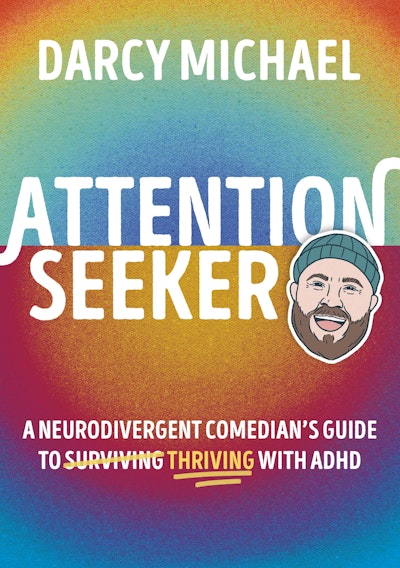
In Attention Seeker, comedian Darcy Michael writes about living with ADHD as an adult, recounting stories about growing up gay, getting married and launching a comedy career all while navigating his own ‘neurofabulous’-ness. With his signature humour, Darcy is loud in some places, NSFW in others – but always honest about how ADHD has shaped his identity.
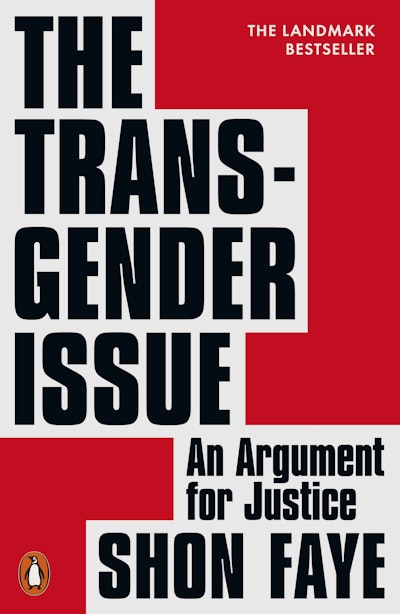
Shon Faye’s The Transgender Issue takes a different tone. It looks at how trans lives are spoken about in Britain and reclaims the idea of the ‘transgender issue’, through a wide-ranging analysis of trans lives from various angles including housing, healthcare, work and family without reducing any of it to talking points.
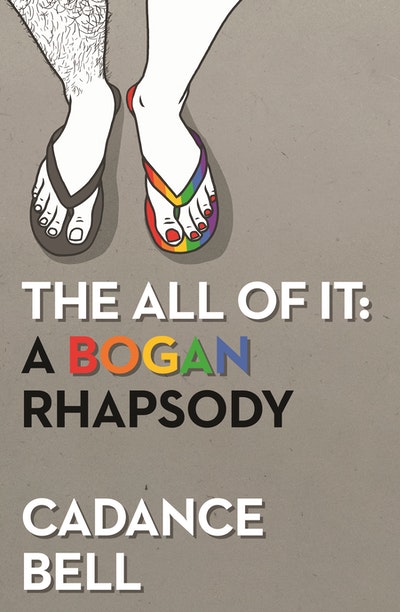
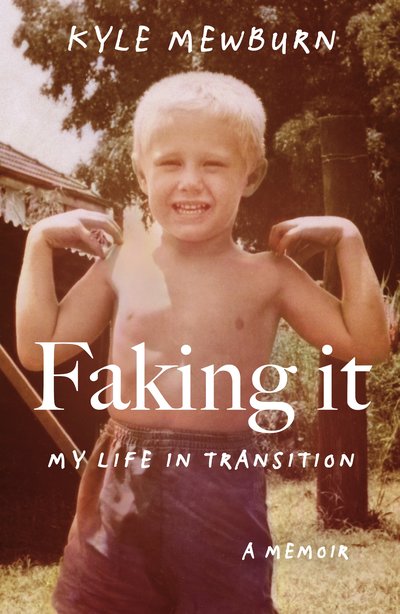
The All of It by Cadance Bell is rooted in rural Australia and family history. It’s messy, funny, painful and self-aware all at once. Kyle Mewburn’s Faking It reaches back to suburban Brisbane in the 1960s and ’70s, tracing the long path from confusion and concealment to transition and self-acceptance.
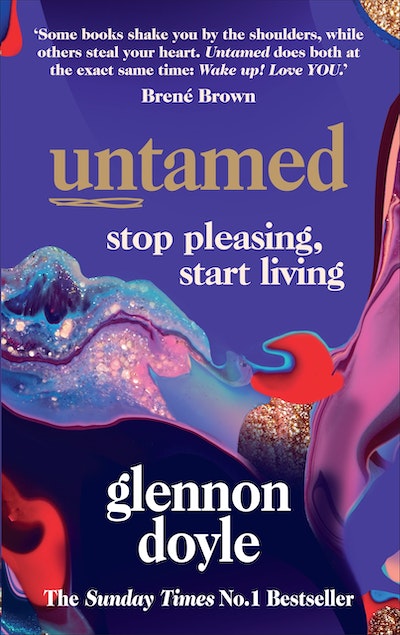
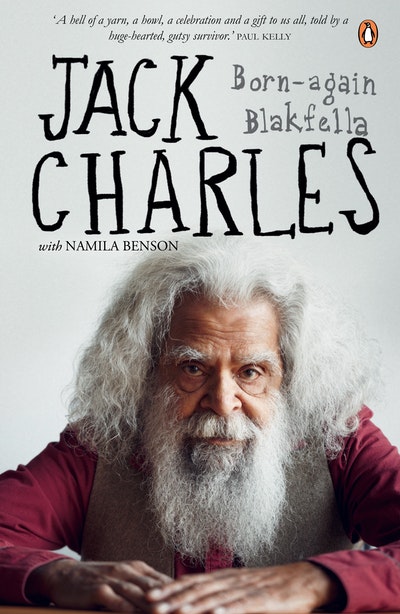
Glennon Doyle’s Untamed explores what happens when women step away from society’s expectations and trust themselves instead. And in Jack Charles: Born-again Blakfella, Uncle Jack recounts a life that included institutional care, addiction, activism and the stage, told with the kind of candour that doesn’t tidy up the rough edges.
These books on LGBTQIA+ lives preserve memory and challenge assumptions, inviting readers to listen and reflect.

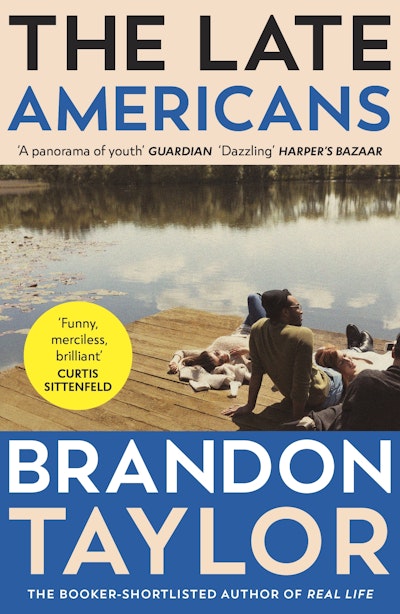
Queer coming-of-age books
Growing up is rarely straightforward. These stories sit in the awkward, electric space between who you were and who you might become.
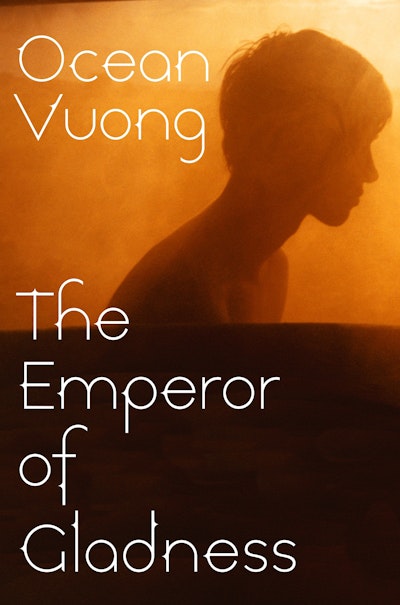
In The Emperor of Gladness, Ocean Vuong begins with a young man on a bridge and an unexpected voice pulling him back. What unfolds over the next year is shaped by unlikely friendship, chosen family and the work of surviving.
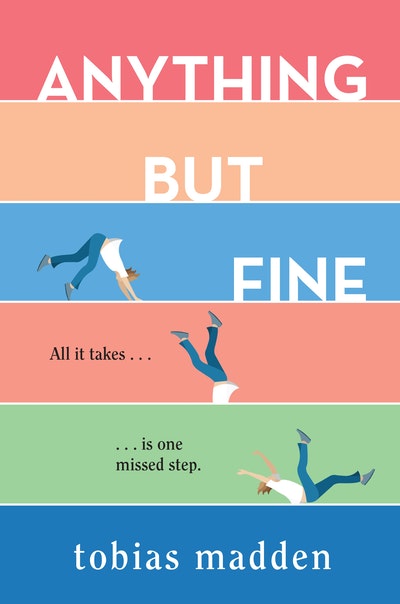
Tobias Madden’s Anything But Fine follows Luca after a broken foot ends his ballet dreams. At a new school, with a rowing captain who may not fit the labels people give him, Luca is forced to rethink who he is without the one thing he built his life around.
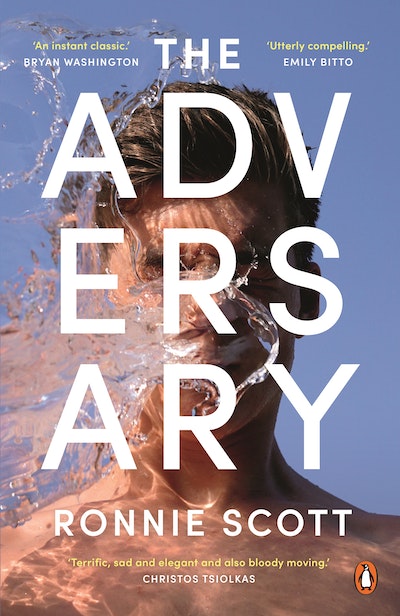
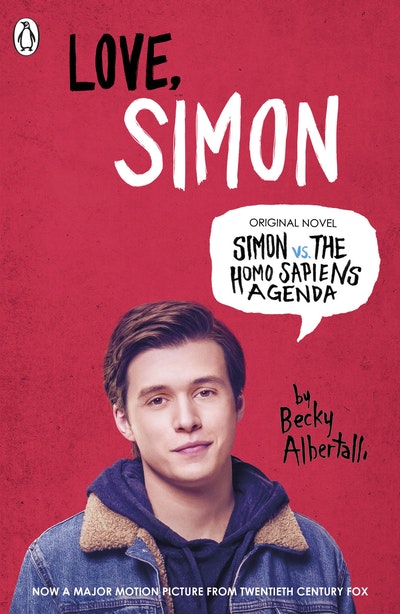
Ronnie Scott’s The Adversary captures a long, sticky summer in Brunswick, where friendship and desire shift in ways that are hard to name. Becky Albertalli’s Simon vs. the Homo Sapiens Agenda keeps things closer to home, centring on emails, secrets and the fear of being outed before you are ready.
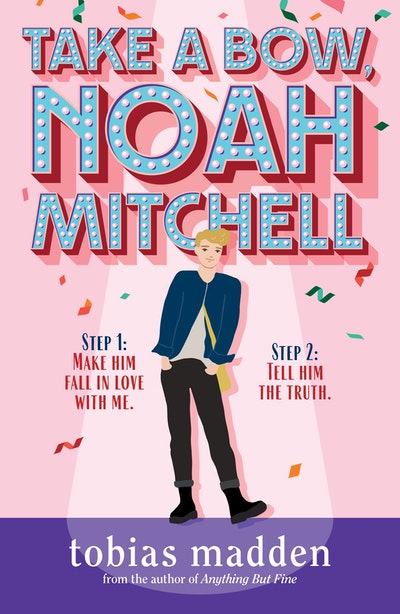
In When You Call My Name, Tucker Shaw brings us to New York in 1990, where first love and queer friendship unfold against the reality of the HIV/AIDS crisis. And in Take a Bow, Noah Mitchell, Madden returns with a rom-com about an online crush, a local theatre production and the risks we take for love, making it a memorable gay romance book.
Each of these stories understands that becoming yourself is a journey. It can be awkward, hopeful and, at times, life-changing.
Queer classics
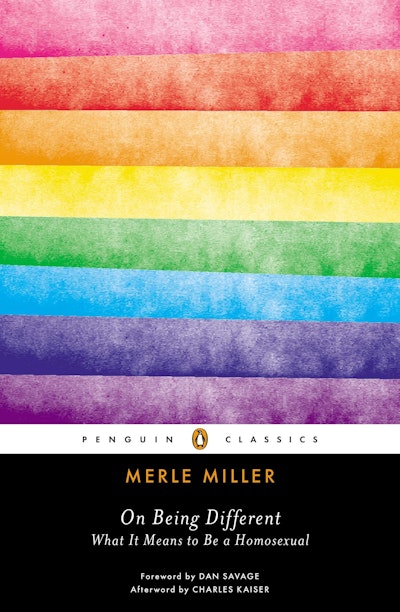
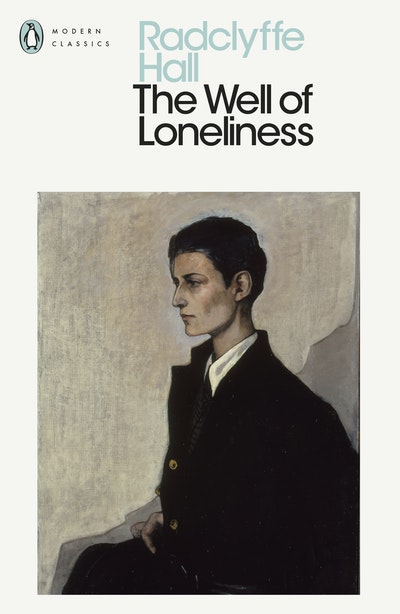
These are the books that shifted cultural conversations. Some were controversial when first published. Others endure because they refuse to soften their truths.
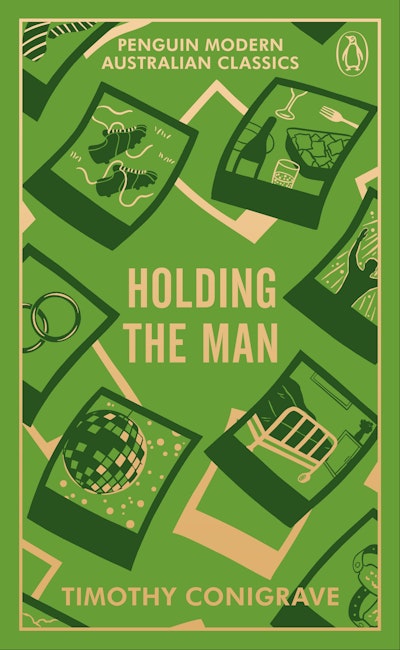
Holding the Man by Timothy Conigrave traces a fifteen-year relationship that begins at a Melbourne Catholic school and endures through separation and the AIDS crisis. It remains one of Australia’s most loved queer love stories.
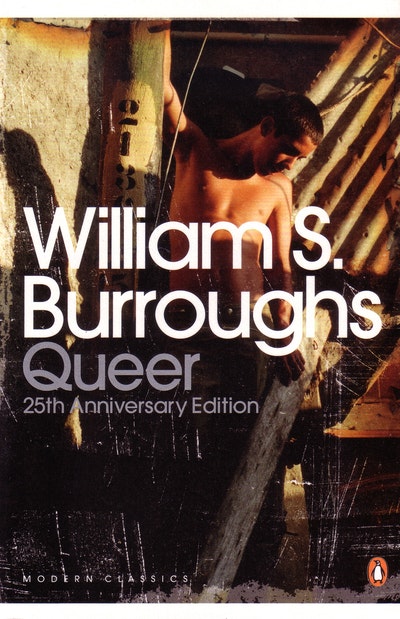
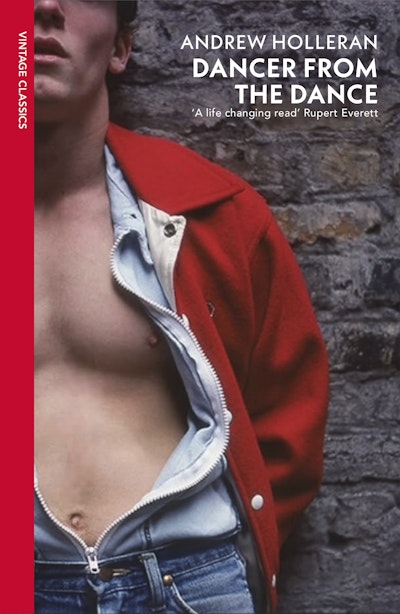
William S. Burroughs’ Queer, written in the 1950s, follows a man drifting through Mexico City, consumed by desire and loneliness. Andrew Holleran’s Dancer from the Dance captures 1970s New York at the height of gay liberation, where excess and longing sit side by side.
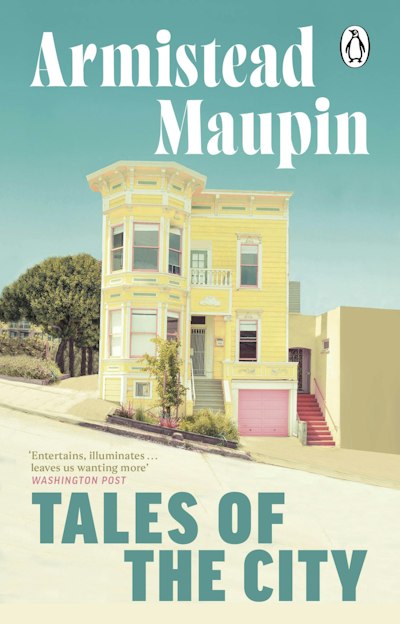
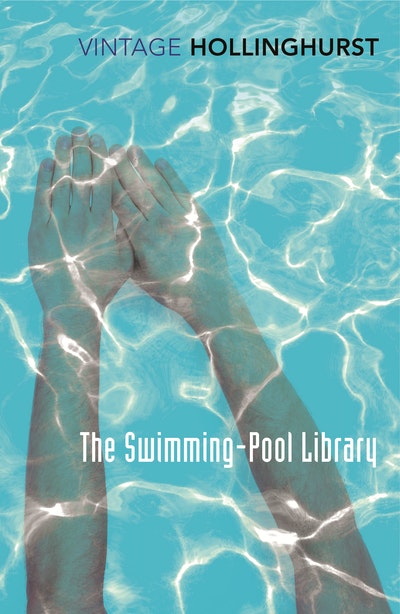
Armistead Maupin’s Tales of the City brought queer and straight lives together on the page for a mainstream audience, while Alan Hollinghurst’s The Swimming-Pool Library exposes both privilege and repression across generations.
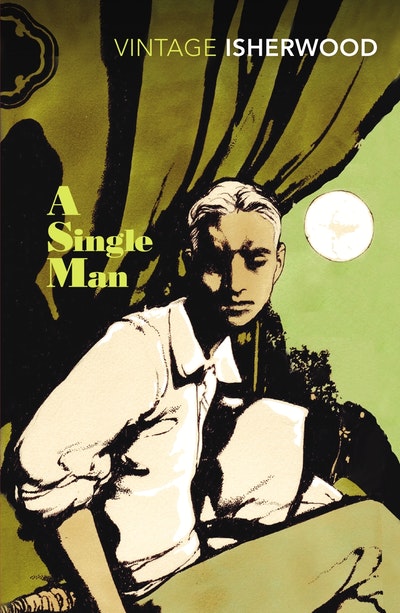
In A Single Man, Christopher Isherwood focuses on one day in the life of a grieving professor, distilling love, loss and endurance into something spare and lasting.
Books about drag culture
Drag is an art form rooted in creativity and connection, shaped by community. These books step behind the stage lights.
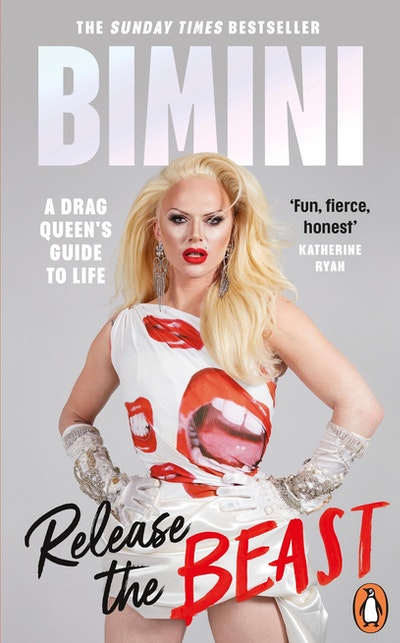
In Release the Beast, Bimini Bon Boulash writes about how drag reshaped her life. It’s part memoir, part manifesto, tracing the move from self-doubt to mainstage confidence. There’s humour, of course, but also a serious belief in self-invention and refusing to live by someone else’s rules.
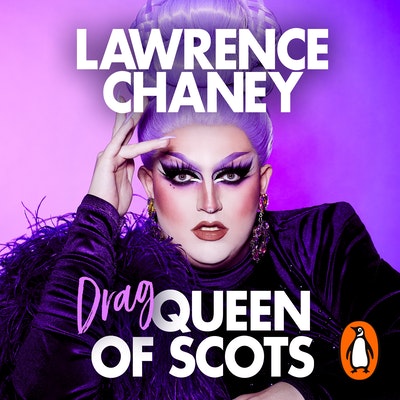
Lawrence Chaney’s (Drag) Queen of Scots feels rooted in Glasgow as much as in Drag Race fame. It moves from childhood sewing lessons and schoolyard bullying to winning RuPaul’s Drag Race UK, with plenty of self-awareness along the way.
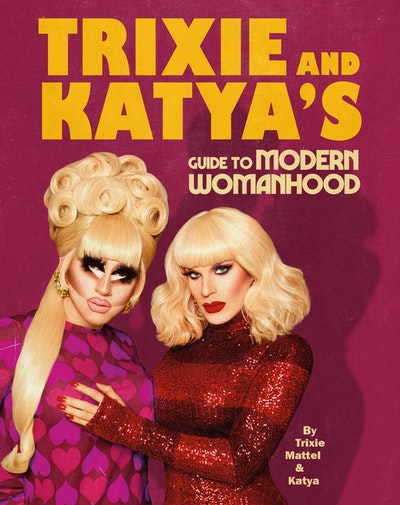
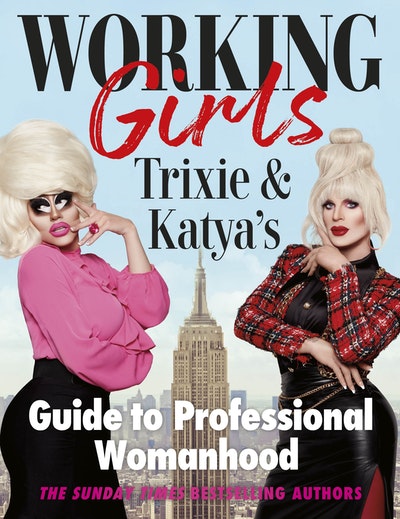
Trixie Mattel and Katya Zamolodchikova take a different approach. Trixie and Katya’s Guide to Modern Womanhood plays with the format of an old-school etiquette manual, skewering beauty, friendship and domestic life in their signature style. In Working Girls, they turn that lens on careers and workplace survival, offering absurd, sharp and occasionally sincere advice drawn from a long list of unconventional jobs.
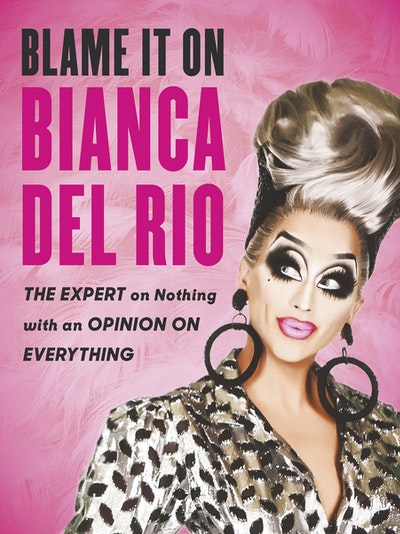
Then there’s Blame it on Bianca Del Rio. Bianca’s humour is blunt and unapologetic, and this collection leans into it. The book delivers biting commentary on everyday irritations and larger cultural absurdities, written in the same voice that made her a breakout star.
Pride books for young readers
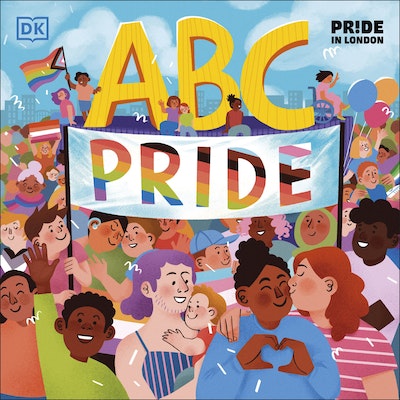
Even for the youngest of readers, there is something to thoughtfully introduce the values of the LGBTQIA+ community. This book here pairs each letter with bold illustrations and simple language that opens the door to conversations about gender, identity and inclusion. There is also guidance at the back to help adults continue those discussions at home or in the classroom.

More queer books and voices
This list continues to grow.
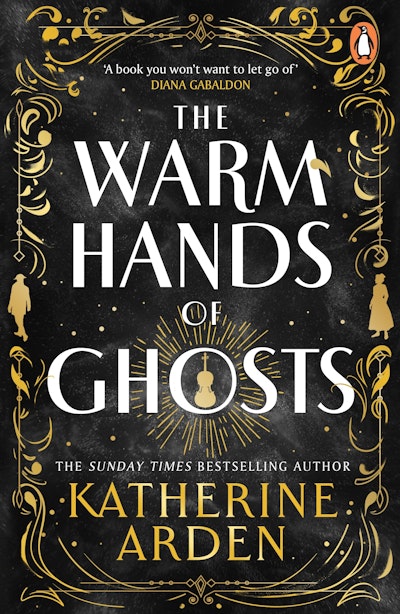
Katherine Arden’s The Warm Hands of Ghosts blends historical fiction with the supernatural, moving between the trenches of the First World War and a sister’s search for her missing brother. Amid war and folklore, queer connection quietly shapes the story.
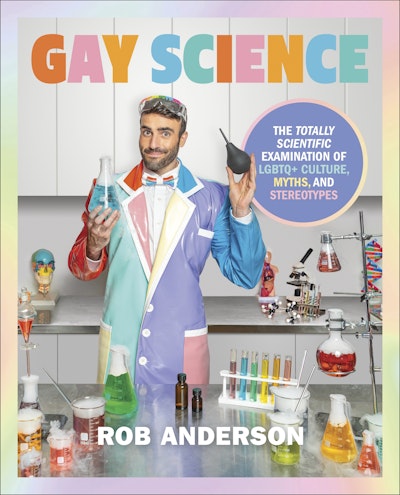
Rob Anderson’s Gay Science approaches LGBTQ+ culture from a different angle entirely. Framed like a tongue-in-cheek textbook, it uses ‘fake science’ to unpack stereotypes, myths and community in a way that is irreverent but informed.
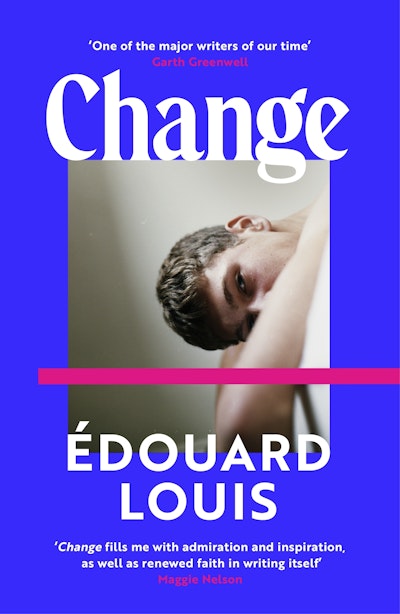
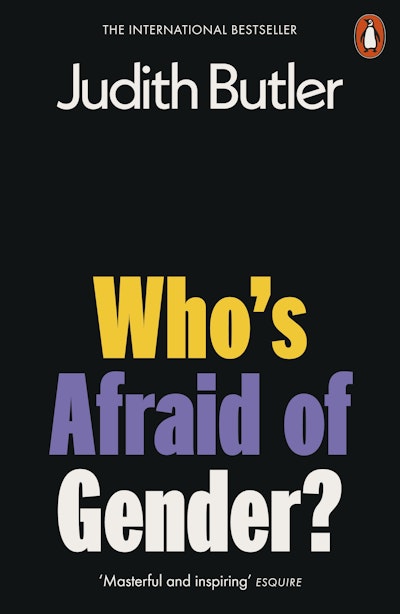
In Change, Édouard Louis writes about leaving behind a working-class childhood and reinventing himself in Paris. It’s a novel about class, ambition and the cost of becoming someone new. Judith Butler’s Who’s Afraid of Gender? steps into contemporary politics, examining how debates around gender have been weaponised globally and why those narratives matter.
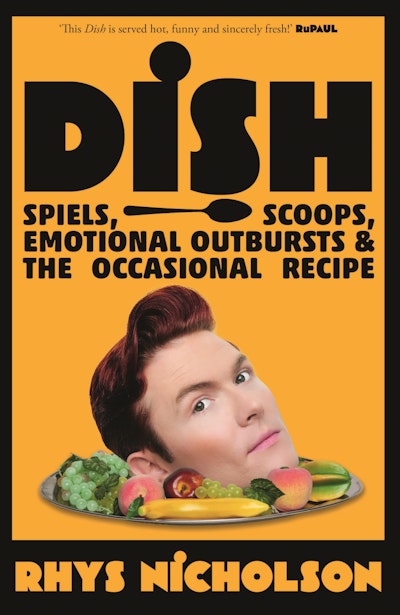
And in Dish, Rhys Nicholson offers something looser and more personal. Part memoir, part cultural commentary and part stream of anxious consciousness, it moves between humour, vulnerability and the everyday absurdities of modern life.