At the end of a busy day, many of us like to sit down with a good book or in front of the television to relax. Both offer the chance to enjoy a great story, but they engage us in their own ways.
From supporting our wellbeing to shaping how we experience characters and the worlds they live in, both screen and page time have their advantages. In this guide, we'll be looking at how books and their screen adaptations compare and why there's room for both in a well-balanced reading and viewing life.
Books vs movies key takeaways
- Reading encourages active engagement and can support focus and cognitive wellbeing throughout life.
- Television and film make stories accessible to a broader audience in a way that books don't.
- Books and their screen adaptations each bring something fresh to the same story, complementing rather than replacing each other.
- A healthy balance can help you enjoy the strengths of both.
How Australians split their time between screens and books
Television and streaming account for a significant share of Australians’ leisure time, averaging close to three hours a day. By comparison, reading takes up far less time, particularly among younger Australians, although most people still read at least one book each year. So the conversation is less about reading books vs watching movies and more about finding a healthy balance between the two. There are also plenty of benefits to reading and also to watching movies or TV shows.
The benefits of reading
Help cognition
Reading keeps the mind actively engaged. Research suggests it helps support cognition as we age while helping younger readers develop imagination and language skills. Curling up with a book allows us to picture the characters, settings and events for ourselves. We tend to feel part of the story rather than simply observing it.
Supports focus
Unlike many digital activities, reading requires focus. It can help with concentration, as we’re forced to follow a single narrative or idea over a prolonged period of time. For many readers, it also provides a welcome break from scrolling and the constant demands of connected devices.
The benefits of watching TV or movies
Promotes sociality
Television and film can bring people together. Watching your favourite series with family, discussing the latest episode with friends, heading to the cinema or attending a film festival all create shared experiences that spark conversation and positive memories. Reading offers opportunities for connection too, through book clubs or recommendations from those you know.
Accessibility
Screen storytelling makes a huge variety of subjects easy to discover. From documentaries and international cinema to news and reality television, TV and film introduce audiences to other cultures and creative ideas in a highly visual way. They can also provide an accessible entry point to stories that readers may later choose to experience in book form.
Which medium is best?
There is no single winner in the books versus movies debate. Each has its own strengths. Screen stories use performance, music, cinematography and visual storytelling to create immediate impact. They are also easy to enjoy with other people.
Books, however, create a more interior experience. They often put us inside the head of a character or give us richer detail into their motives and behaviour. Stories also leave room for our imaginations to shape every character and setting or to take away our own interpretation. Because screen adaptations have a set structure and a certain amount of time to tell a story, they often need to condense plotlines or remove characters, which is why they can feel quite separate from the original.
Ultimately, the best choice depends on your mood or preferences. A brilliant adaptation can introduce you to a story you might never have discovered otherwise, while reading the original often reveals new layers that couldn't fit on screen. Novels such as Wuthering Heights, Project Hail Mary, The Help and Daisy Jones & The Six all demonstrate how books and their adaptations can complement one another, with each offering a compelling way to experience the same story.
How to find a healthy balance of books and screen
Simple ways to make reading a regular part of family life are to buy books or visit your local library. If you have young children, you could spend time reading together regularly. The aim is not to replace screens entirely but to find a healthy balance that allows families to enjoy the stories each has to offer.
Reading has been linked to stronger concentration, language development, imagination, memory and empathy, as well as supporting cognitive health over time. On the other hand, watching television or movies offers accessible entertainment, visual storytelling, cultural discovery and opportunities to connect with others, while also providing an easier way to unwind. Rather than choosing one over the other, many people benefit from making time for both.
Research has found an association between prolonged passive television viewing and greater cognitive decline over time, although this does not prove that television is the cause. By contrast, mentally engaging activities such as reading have been associated with better cognitive outcomes in observational studies and are widely encouraged as part of a healthy lifestyle.
Australian guidance recommends no screen time for children under two years, up to one hour of recreational screen time a day for children aged two to five and no more than two hours a day for children aged five to seventeen, excluding school-related screen use. These recommendations are designed to support healthy development while recognising that screens are now part of everyday life. Each family will likely find a balance of screen time that suits their circumstance and needs.
Start small by reading a page or chapter each day. Pair reading with an existing routine, such as:
- Before bed instead of scrolling on your phone
- With your morning coffee or tea before checking emails
- During your commute on the train, bus or ferry
- On your lunch break for ten or fifteen minutes
- After dinner before turning on the TV
- While waiting for appointments or school pick-up
- At the beach or by the pool instead of reaching for your phone
- While travelling, whether on a flight or a long train journey
- As part of a bedtime routine with your children
- On weekends with a quiet breakfast or while relaxing in the garden
Even ten minutes of reading can soon become a lasting habit.
The best book is the one you'll genuinely enjoy. Whether you prefer fiction or non-fiction books, there are countless stories and ideas waiting to be discovered. Browse Penguin's collection to find books that match your interests and reading goals.

Penguin Random House (PRH) has been made aware of people impersonating our authors, including Richard Flanagan, and contacting members of the public by email or through social media.
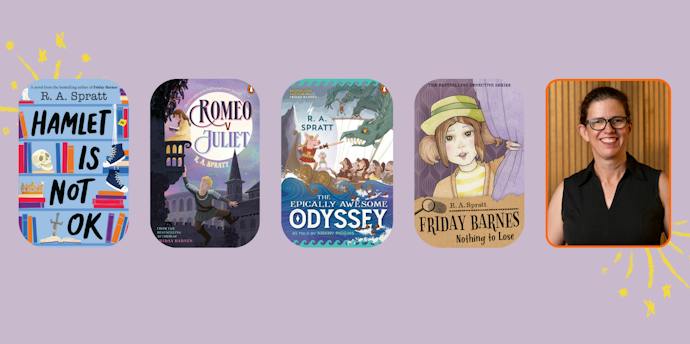
October is Dyslexia Awareness Month, a time to build greater awareness and understanding of dyslexia and the different ways people experience reading. Author R. A. Spratt shares some of the techniques she uses to make her books more accessible for dyslexic readers, along with practical reading and writing tips drawn from her own experience.
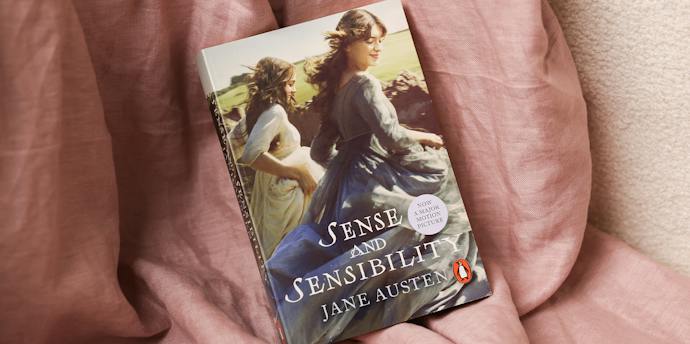
The Dashwood sisters return to the big screen in a new Sense and Sensibility adaptation starring Daisy Edgar-Jones and Esmé Creed-Miles.
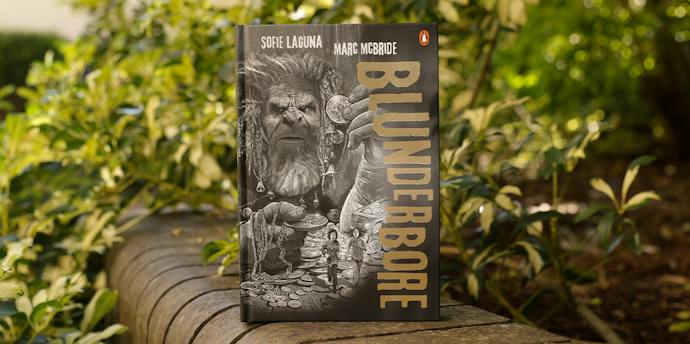
This is Jack and the Beanstalk like you’ve never seen it before! An exciting action-packed graphic adventure story set in the world of Jack in the Beanstalk. From award-winning author Sofie Laguna and monster-illustrator extraordinaire, Marc McBride.
Your unique spark determines which Fiercer will choose you, and which Gard you will belong to!
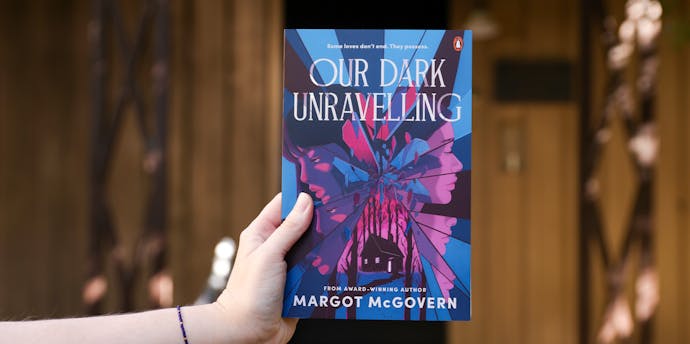
Margot McGovern’s Our Dark Unravelling is the must-read YA horror thriller for 2026.
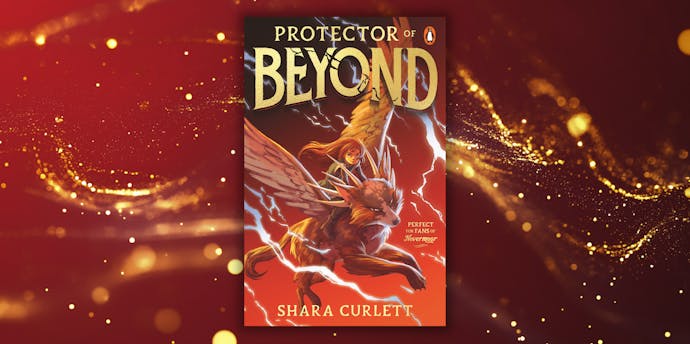
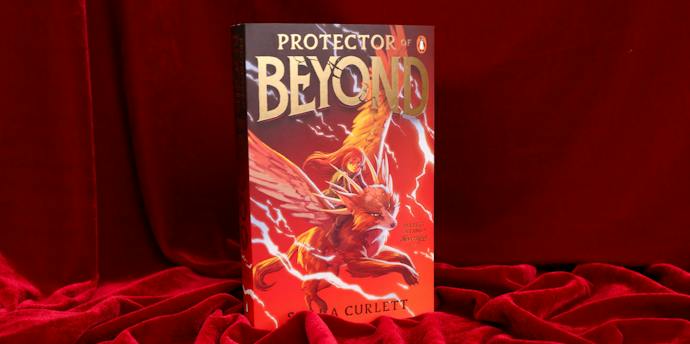
Magical creatures, perilous trials and one unbelievable adventure await in Protector of Beyond, the first book in a gripping new fantasy book series from exciting new voice Shara Curlett.

Fall in love with Penguin’s selection of the best romance fiction. Explore our diverse list of new favourite reads, from YA favourites to Australian classics.

Looking for a good book to accompany your holiday? Whether you’re sitting poolside, on a snowy escape or relaxing at home, find our 10 best choices here.
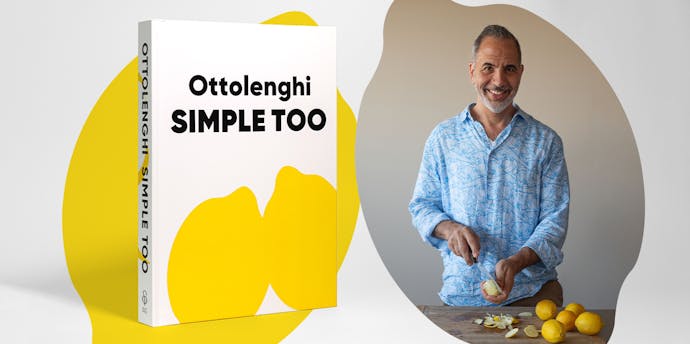
Here's 5 things we know so far about Ottolenghi SIMPLE TOO!