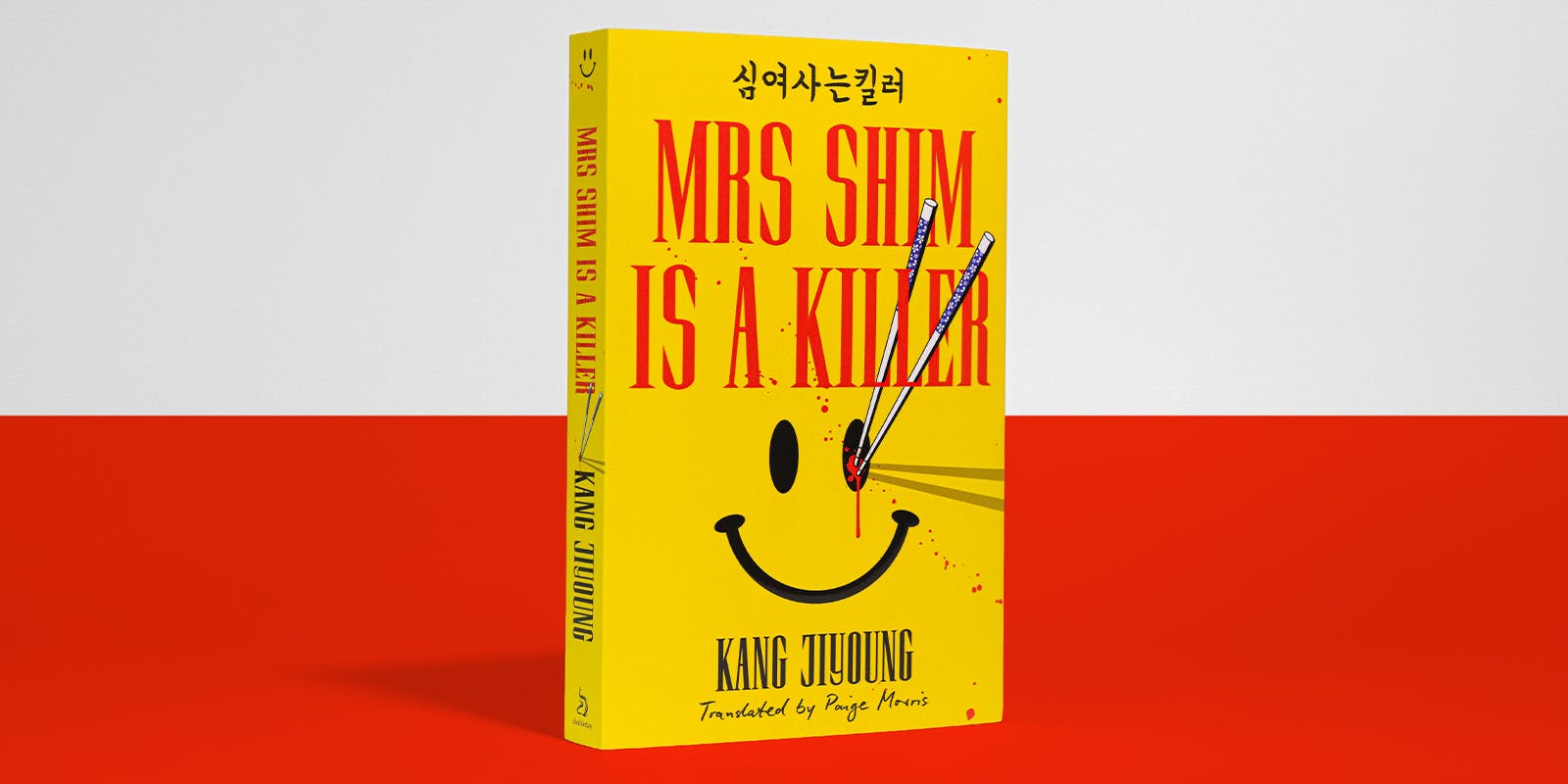
A Q&A with Kang Jiyoung, author of MRS SHIM IS A KILLER
How did you come up with this idea of a middle-aged woman becoming a contract killer?
I wanted the killer to be someone no one would suspect. A man in his forties in a leather jacket and black hat, with a large backpack, would be too obvious. So I thought about who would be most unlikely to be a killer. I narrowed it down to the elderly, children and middle-aged women. I discounted the elderly first – a category that might include war heroes and retired spies. The next option was children, with their soft, delicate hands. But I'm not ruthless enough to entrust a child with a knife or a gun.
The only demographic left to me was middle-aged women. What kind of image comes to mind? The mother who keeps plying us with food, insisting we eat more; the high-school teacher who turns a blind eye to bad behaviour; the supermarket cashier who gives away coupons; the librarian who organizes bookshelves, magnifying glass in hand; the harmless types who might go to a yoga class and smile brightly. Or perhaps I should say, the types who appear harmless. If sufficiently motivated, a middle-aged woman might risk her honour and even her life to become a villain.
After much deliberation, I decided to give my simple middle-aged woman a special talent. And so I made her someone who is highly skilled with a knife and has no fear of blood.
Your work is very cinematic. Are there any film directors who particularly influence you?
Several of my works have already been successfully adapted into films. I love all films, dramas, adaptations of novels, even the rumours floating around the internet. However, I’m always wary of allowing the creations of others to influence my own. I prefer to present readers with the original and the unfamiliar. That’s why I watch films so diligently. I check to see if any of the settings or events are similar to my novels.
While watching films is a form of work for me, there are some films and directors I watch solely for entertainment, including those by Korean director Na Hong-jin, Guillermo del Toro, Kathryn Bigelow and David Fincher.
The two agency bosses are a philosopher and a realist. Is there a reason for this contrast?
It’s for a similar reason to why my protagonist, Mrs Shim, is portrayed as an ordinary middle-aged woman. When you think of a crime agency boss, you tend to picture a brutal and ruthless killer. Of course, both bosses have their dark side. But people can’t be defined by just one trait. A person who donates all their wealth to charity might also have a habit of prank-calling. Or a heavy-metal guitarist might like to have Hello Kitty wallpaper and bedding in their bedroom.
When creating the two boss characters, I kept their romantic sides in mind. I wanted to show their humanity, while also remaining true to their dramatic roles. So, while the philosopher boss and the realist boss appear to be completely different, I believe that underneath it all they are similar.
This is a story about family and food. What do you think about Mrs Shim’s role as a mother?
I believe Mrs Shim’s role as a mother is fundamental. It’s about finding purpose for her children, assigning roles to them, and hoping they won’t be treated unfairly once they are old enough to leave her care. As a mother, Mrs Shim is unlikely to believe her son’s purpose in life is to be a killer. She knows first-hand how painful it is to profit from someone’s death.
Before becoming a killer, Mrs Shim was a butcher. She processed animal carcasses into meat. A butcher needs to be able to distinguish between the edible parts of a carcass and those that should be discarded, and routinely makes this call. But Mrs Shim is unable to stay calm when her son puts discarded meat into his mouth. Though being a contract killer requires an ice-cold heart, Mrs Shim, ironically, is extremely warm-hearted.
Except for kimchi, every dish she cooks in the book is meant to be eaten warm. The novel focuses more on her role as a mother than as a killer.
Your narrative is dark, but also very humorous and theatrical. Was this combination something you planned from the beginning?
A work often resembles its author. I’ve written many crime thrillers, but actually I’m a thoroughly cheerful person. So even when I write sad, heavy stories, I like to float humour into the story, like a buoy upon the sea. Almost all my works contain this dark humour.
The plot is quite complex. How did you come up with the story? Did you plan it out in advance, or did it unfold naturally?
The plot was conceived and planned chapter by chapter, right from the start. It was serialized in Cine21, a well-known Korean film weekly. One chapter was published every week. But what if an issue of the magazine was read by someone who had not bought it the previous week? It would probably feel like looking into the heart of an unknown piece of fish.
I had to come up with a story that readers could pick up quickly on a chapter-by-chapter basis and characters they could immediately feel empathy for. As a result, the cast of characters grew and grew. A sauna owner, a fake shaman, a serial killer, a hairdresser – each becomes intertwined with Mrs Shim. I aimed for a structure where each chapter was self-contained and would make sense even if it was read in isolation as a short story.
Do you have a favourite character?
I like Choi Jun-ki. Although it’s not explicitly stated, Jun-ki was born and raised in Paju, just like me. He has overcome many hurdles in life and has grown steadily. His bright energy is a light that illuminates the book, without being too intense. He is also one of the most innocent characters. He doesn’t kill or harm anyone, plus he is a member of the agency. He is a kind person who loves everyone.
What other topics about humanity are you exploring?
I’ve published several novels on the theme of the banality of evil. And recently, I’ve also
published novels on the theme of redemption. I believe that good and evil are both options controllable by will, like milk in a café latte. Evil targets the weak, creating pleasure or power, while goodness is already an independent, evolved thing. But evil can be a springboard for growth and resilience. That’s the message I want to convey to readers.
If there’s one theme I’d like to explore in the future, it’s dignity. Beyond good and evil, I want to delve deeply into the most basic forms of respect and dignity that humans should possess.
The dialogue is very witty and lively. Do you enjoy writing dialogue? What part of the creative process do you enjoy most?
I keep a mirror on my desk in my office, and I pronounce every line of dialogue, observing my facial expressions. If a word sticks on my tongue or interrupts my breathing, it’s not a good line, and I jump back in to rewrite it. In that sense, writing dialogue is a joy.
Imagine a writer who, after typing blankly for hours, suddenly holds up a mirror and peers at their face, behaving like a wary idiot. I would like readers to remember this as they read my novel.
What do you think Mrs Shim would say if she knew that her life story was being published worldwide?
I wrote Mrs Shim Is a Killer when I was around thirty-two. I had to rely solely on my imagination to create the character of Mrs Shim. One similarity: at the time, I was a single mother, just like she was. Earning a living from writing seemed next to impossible. So, I worked as a marketeer during the day and I wrote at night. The son I brought up during that period of my life is about to enlist in the military.
Like Mrs Shim, I’m now middle-aged. I’m her creator, but I often think of her as a friend. We share pride in the fact that we’ve persevered and brought up a child who will lead the next generation. Now, Mrs Shim will be a friend not just to me, but to readers around the world. If she knew this, I think she’d say something like, ‘You have to live long enough to see how things turn out. But I don’t speak English. Is that okay?’ Then she’d look round and secretly laugh.
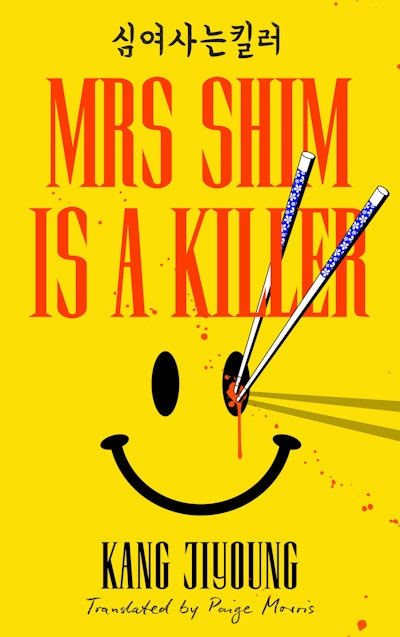
From a major new international voice - gritty, humorous Korean literary crime novel about a housewife turned contract killer - for fans of BUTTER and KILLING EVE
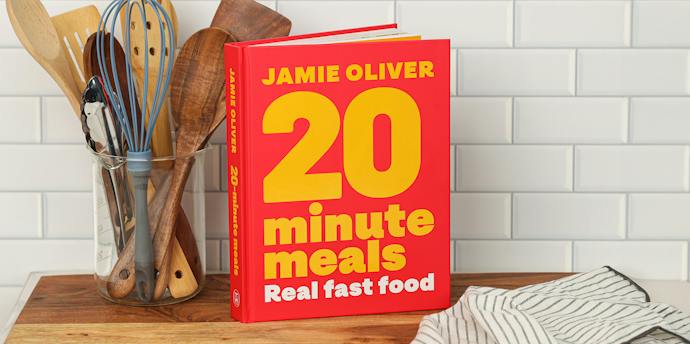
Five quick questions with Jamie Oliver on Aussie produce, cooking on a budget and making delicious meals in just 20 minutes.
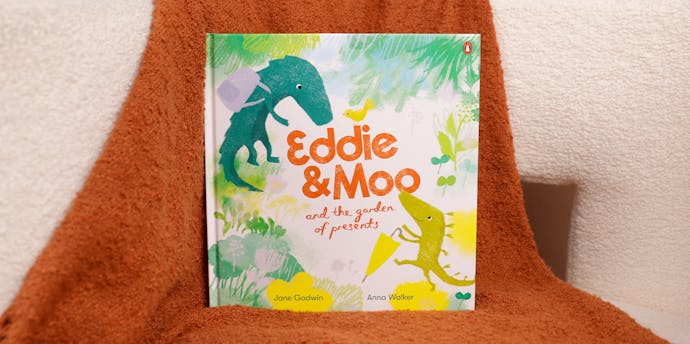
Read about the process of Jane and Anna's 10th picture book together, Eddie and Moo and the Garden of Presents – a delightful adventure for the very young about sharing joyful times together with friends.
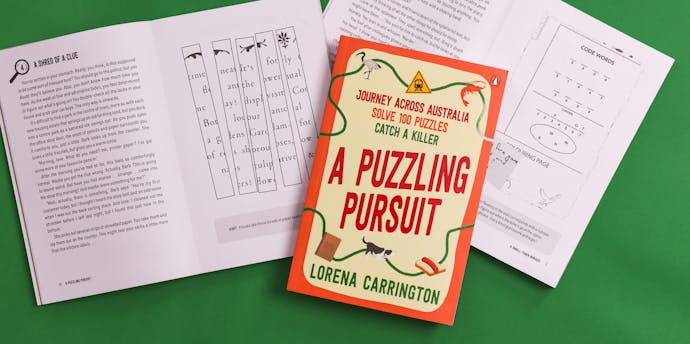
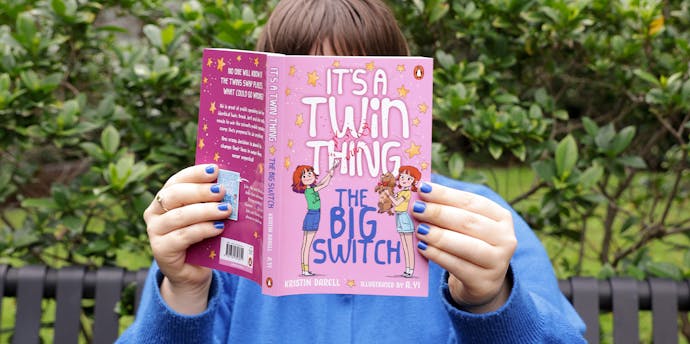
Get to know Kristin Darell and the inspiration behind her It's a Twin Thing series. 'Readers of the Sweet Valley Twins, Baby-Sitters: Little Sister and Click series will enjoy the familiar mix of friendship drama, shifting relationships and sibling rivalry.' - Kirsten Barich, Bookseller + Publisher
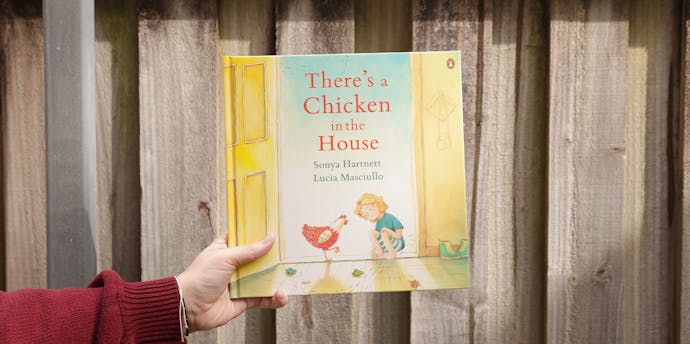
Get to know Sonya Hartnett and the inspiration behind her new title There's a Chicken in the House.
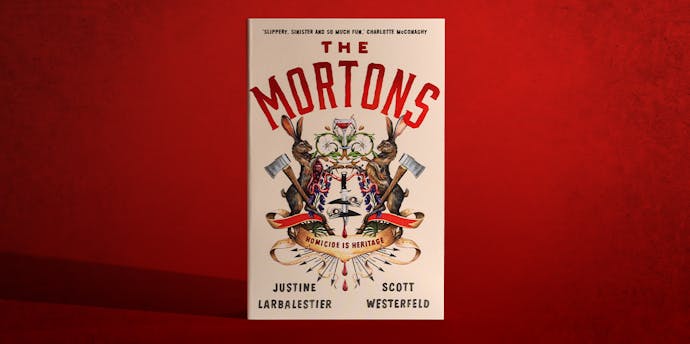
An author Q&A with Justine Larbalestier & Scott Westerfeld.
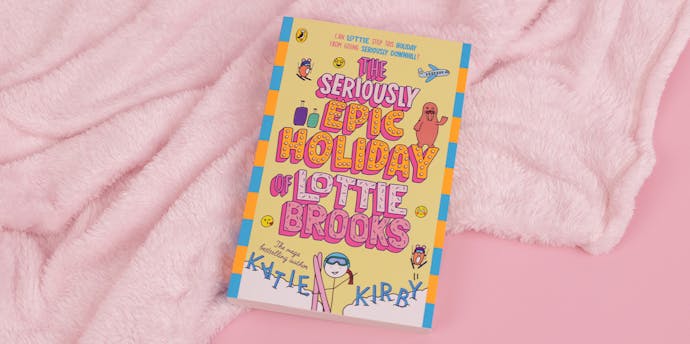
A Q&A with Katie Kirby, author of The Seriously Epic Holiday of Lottie Brooks.
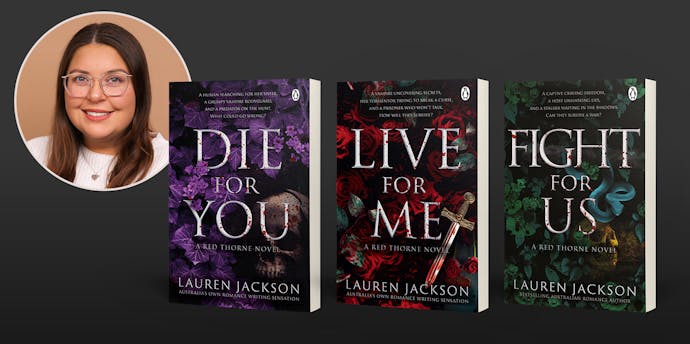
A Q&A between Lauren Jackson and Jodie Ramodien, the editor of Fight for Us, on the conclusion of Lauren’s Red Thorne series.
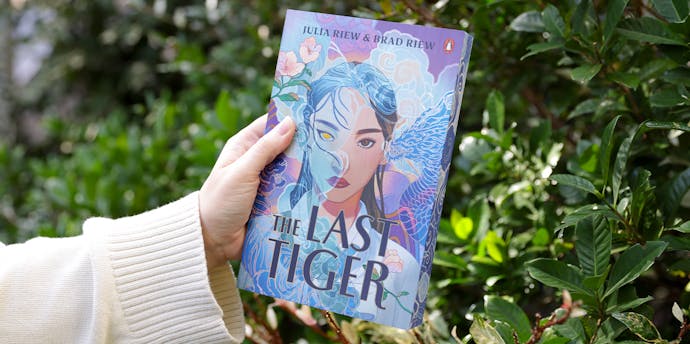
Including what they hope the book teaches young readers about getting through difficult times, and how we can look to ancestors for inspiration.
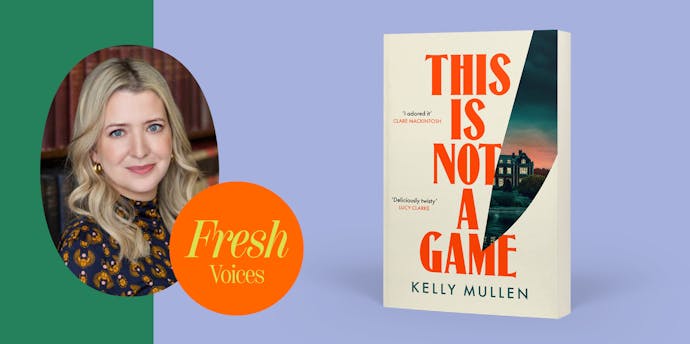
The author of This Is Not a Game on what inspired her novel and how a background in production influences her writing.
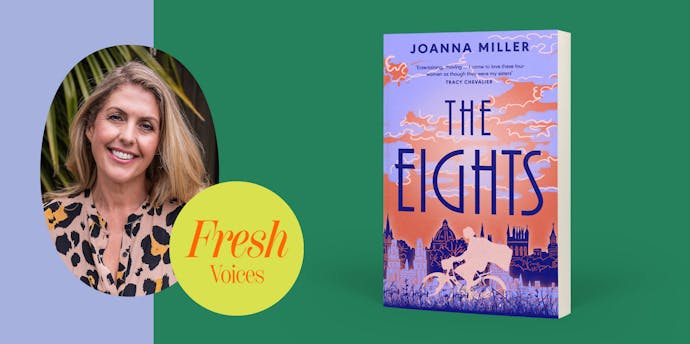
The debut author of The Eights shares writing advice, insights into the publishing process and which character she enjoyed writing most.