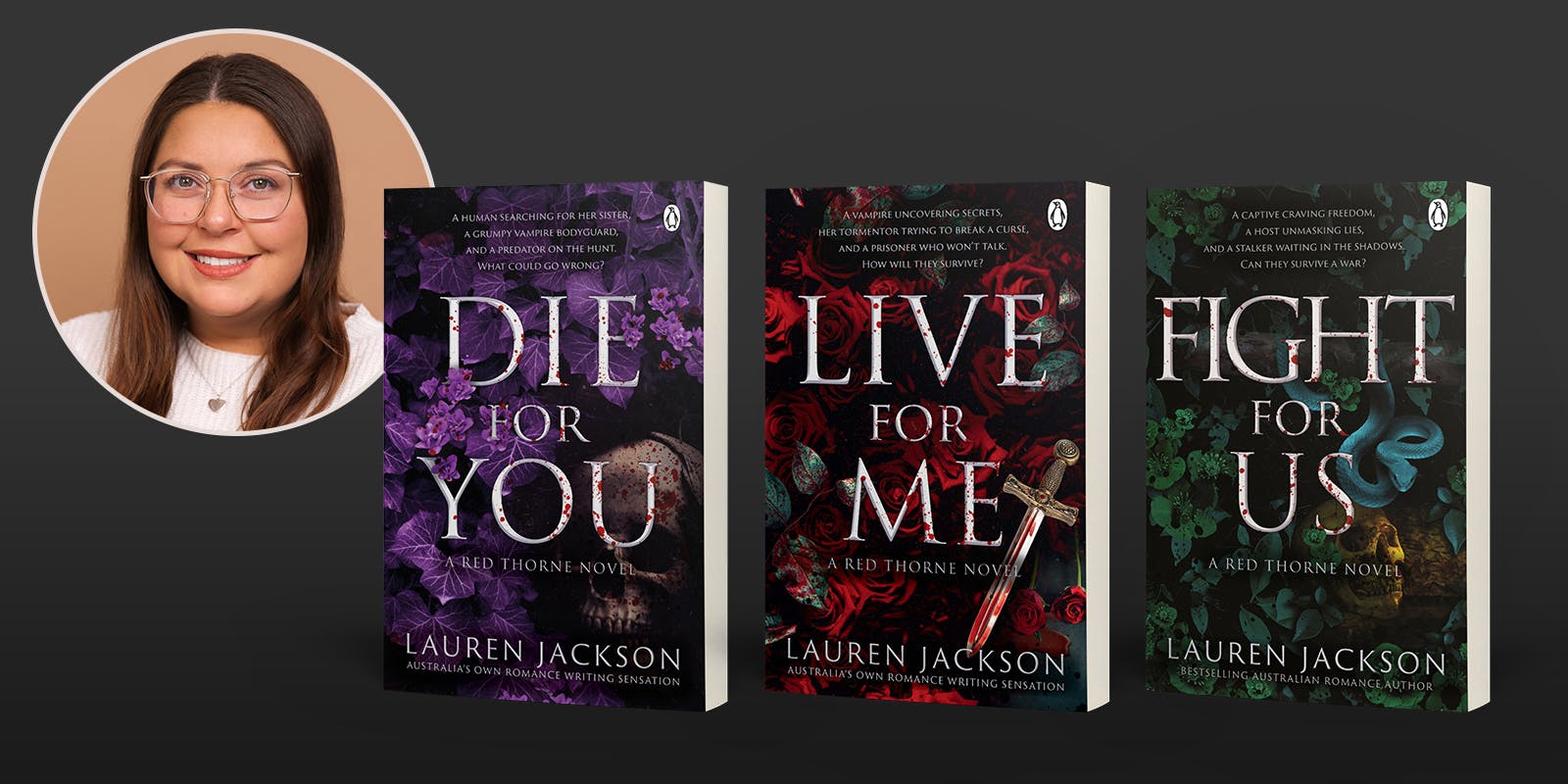
A Q&A between Lauren Jackson and Jodie Ramodien, the editor of Fight for Us, on the conclusion of Lauren’s Red Thorne series.
Vampire fiction has exploded into the market once again – it just won’t die (pun intended). With so many different strains of vampirism to draw inspiration from (Dracula, Twilight, The Vampire Diaries, Anne Rice), how did you decide what type of vampires you wanted yours to be?
Vampire fiction goes through cycles, but what keeps bringing readers back is how adaptable the mythology is. With so many iconic interpretations already out there, I knew I wanted to choose a lane that felt familiar but still gave me room to play.
For this series, I gravitated toward The Vampire Diaries style. There’s a fun, romantic energy in that universe that doesn’t shy away from the drama of being supernatural while still grounding characters in real, modern emotions. I wanted my vampires to be compelling and seductive but also relatable. They deal with friendships, love, identity and the messiness of being human, even when they technically aren’t anymore.
So, I built a version of vampirism that fit seamlessly into a contemporary world. It gave me the freedom to explore all the fun, imaginative parts of the lore while keeping the story rooted in relationships and personal stakes.
Three couples are featured throughout this trilogy: Raya and Hunter, Cora and Kian, and Tara and Theo. Were some couples harder to write than others? Do you have a personal favourite?
Each couple came with their own fun and their own challenges. Raya and Hunter were the first, so their story really set the tone for the whole trilogy. Their romance has a pure, wholesome quality to it, and writing that softer, more heartfelt connection felt very natural. They’re the emotional foundation of the series.
Kian and Cora, on the other hand, were probably the most fun for me. I absolutely love the villain as the love interest/main character, and getting to explore Kian’s morally grey nature was really fun. Their dynamic is much messier and dramatic, both of their personalities being so distinct and strong, which made writing them incredibly enjoyable.
Theo and Tara were the trickiest, mainly because Theo has always been the ‘sidekick’, the not-so-serious character who hangs out in the background. Giving him real depth while keeping the essence of who he is was a balancing act. Bringing in a brand-new love interest this late into the series added another layer of difficulty, but I really enjoyed giving them space to shine.
But overall, Kian and Cora were my favourite!
Forks, Mystic Falls, Transylvania, now Red Thorne – what inspired this creepy supernatural town hidden in a misty grove on the Australian mainland?
I always write my books set in my home country, because I rarely come across books, especially vampire books, that take place in Australia. So even though Red Thorne is a fictional supernatural town, its roots are unmistakably Australian.
Placing a creepy, mist-shrouded vampire haven on the Australian mainland felt fresh and unique, and it gave me the chance to blend the familiar landscapes I grew up in with the eerie, supernatural atmosphere the story needed. Keeping that gothic, mysterious vibe while grounding the setting in Australia’s tone and texture was important to me. It let me create a world that feels both unexpected and completely at home.
Some popular tropes featured throughout the series include enemies-to-lovers, forced proximity and fated mates. Do you have a favourite trope? Or one that you hate and will never use?
Enemies-to-lovers is absolutely my favourite trope to write. I can never resist the tension, the banter, the push-and-pull energy, especially when you throw in an only one bed situation to crank the tension up even higher. I'm a sucker for a one-bed trope!
Friends-to-lovers is a trope I don’t naturally gravitate toward, but I’ll admit it can be done really well in the right story. It’s just not a dynamic I tend to explore often.
My least favourite is the third-act pregnancy trope. It’s just not something that fits the tone or style of the stories I love to tell!
In between laborious bouts of writing, who do you read to inspire you?
I have quite a diverse reading range, and I love bouncing between genres depending on my mood. Thrillers are my go-to. There’s something about not knowing where the story is going to go and crazy plot twists that has me on the edge of my seat. Jane Harper, Riley Sager, and Freida McFadden are some of my absolute favourites, I will always read whatever they write next.
I also like to mix things up with a good romance. Authors like Elle Kennedy, Ana Huang, and Elsie Silver are my comfort reads. Their character chemistry and emotional depth always remind me why I love writing relationships so much. Dark, twisty thrillers and swoony, heartwarming romances are fun to read depending on what I'm in the mood for.
Impressively, you have published five books with Penguin Random House. With each book that’s been published, have you shifted your approach or done anything differently? What’s it like to be a debut author versus a seasoned veteran?
Even after publishing five books with Penguin Random House, it’s still incredibly nerve-racking putting my work out into the world. That feeling hasn’t gone away and honestly, I don’t think it ever will. I’m always anxious to see how a new story will be received and to hear what readers think.
With each book, I’ve settled into more of a routine. I understand the publishing timeline now, the stages, the pace, what to expect. Knowing how everything works behind the scenes has made the overall process feel more manageable.
The biggest change in my actual writing approach is how I handle drafting. When I first started, I would get so hung up on individual sentences, and it slowed me down a lot. Now I’m much better at pushing forward, even if a line isn’t exactly how I want it yet. I’ve learned it’s far easier to edit a messy page than a blank one. That mindset shift has helped me write more efficiently and keep the momentum going.
So, while the nerves are still very real, experience has given me confidence in my process and trust that the story will come together in the end.
You’ve tackled the romantasy genre, the college campus romance, what’s next?
Honestly, I never really know what I’m going to write next which is part of the fun for me. I always have a handful of ideas simmering away. There’s a sports romance I’m toying with (a completely different sport this time), a thriller with a romantic/suspense edge, a country/cowboy-style romance, and even a dark romance concept that I’m excited about.
My writing tends to be as diverse as my reading tastes, so I love jumping between genres and seeing which spark is the strongest. I’m never completely sure which idea will take over until I sit down and start writing, but there is more to come, so watch this space!
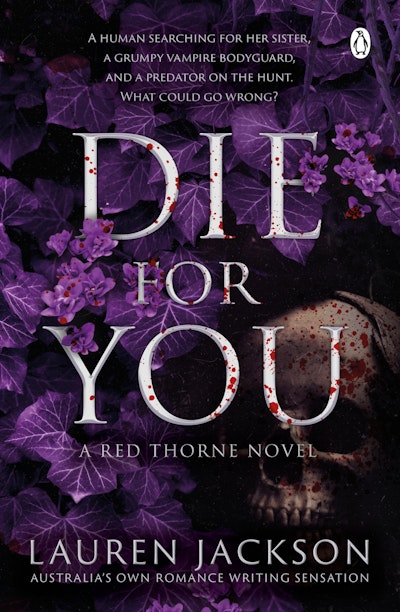
Die for You Lauren Jackson
A human searching for her sister, a grumpy vampire bodyguard in charge of keeping her alive, and a malicious creature hunting them down. What could go wrong?
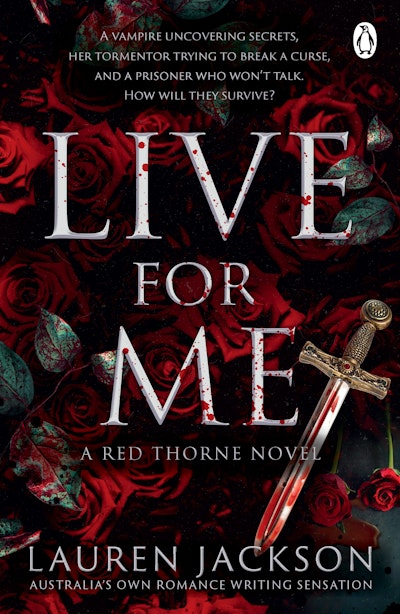
Live for Me Lauren Jackson
A vampire uncovering dark secrets to save the town, her tormentor trying to break a witch’s curse, and a prisoner who won’t provide any answers. How will they survive?
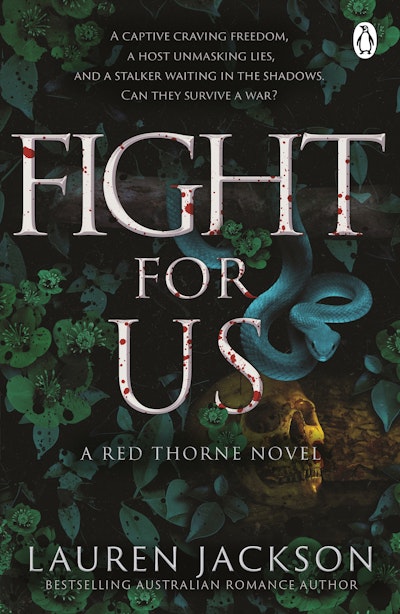
Fight for Us Lauren Jackson
A captive craving freedom, a host unmasking a lifetime of lies and a stalker waiting in the shadows. Can they survive a war that started long before their story began?
Four states, four sold out crowds, seven authors and over 850 fans made for an incredible two weeks that we will never forget!
The inaugural Penguin Fantasy Fest was a wonderful evening for all. Learn about the author panel, see photos of the event and find out how to be notified of future events.
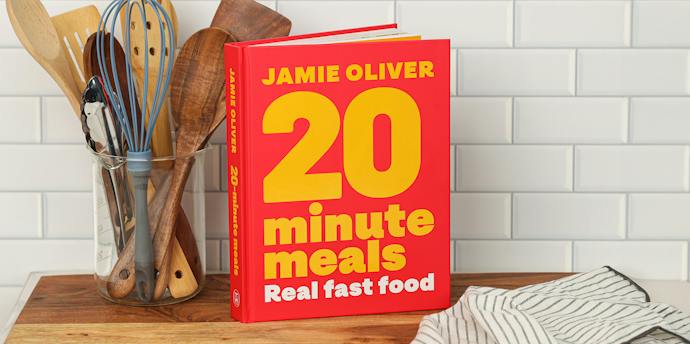
Five quick questions with Jamie Oliver on Aussie produce, cooking on a budget and making delicious meals in just 20 minutes.
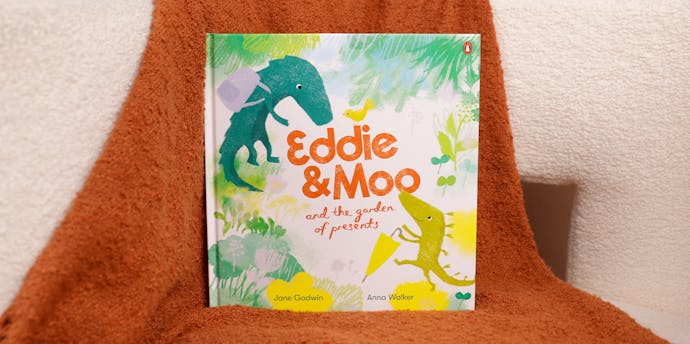
Read about the process of Jane and Anna's 10th picture book together, Eddie and Moo and the Garden of Presents – a delightful adventure for the very young about sharing joyful times together with friends.
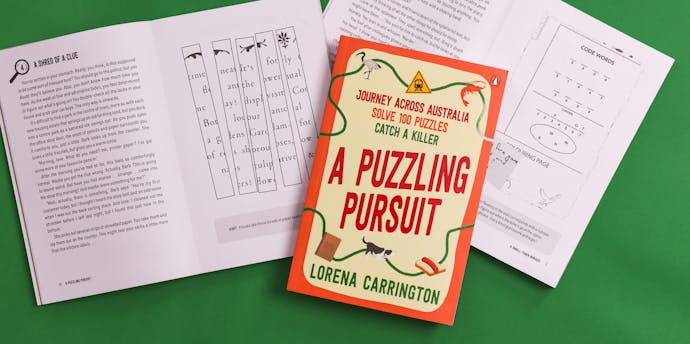
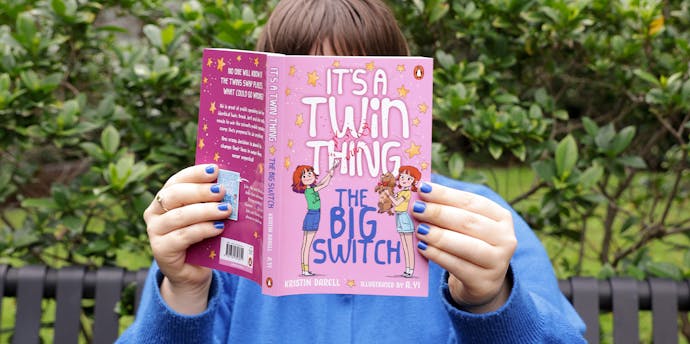
Get to know Kristin Darell and the inspiration behind her It's a Twin Thing series. 'Readers of the Sweet Valley Twins, Baby-Sitters: Little Sister and Click series will enjoy the familiar mix of friendship drama, shifting relationships and sibling rivalry.' - Kirsten Barich, Bookseller + Publisher
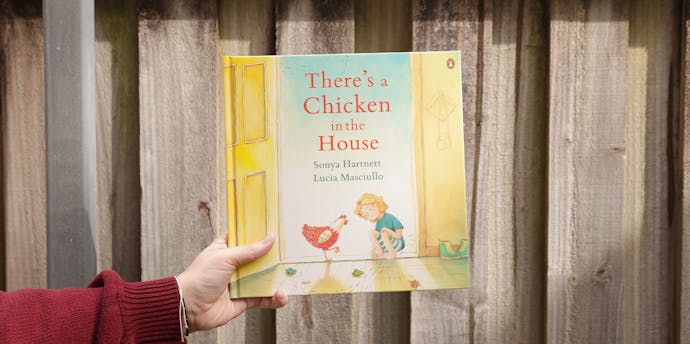
Get to know Sonya Hartnett and the inspiration behind her new title There's a Chicken in the House.
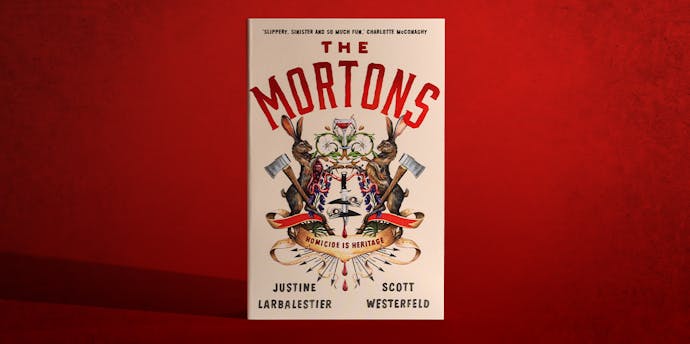
An author Q&A with Justine Larbalestier & Scott Westerfeld.
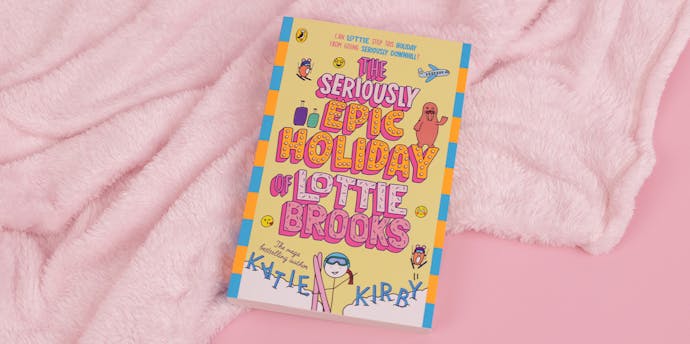
A Q&A with Katie Kirby, author of The Seriously Epic Holiday of Lottie Brooks.