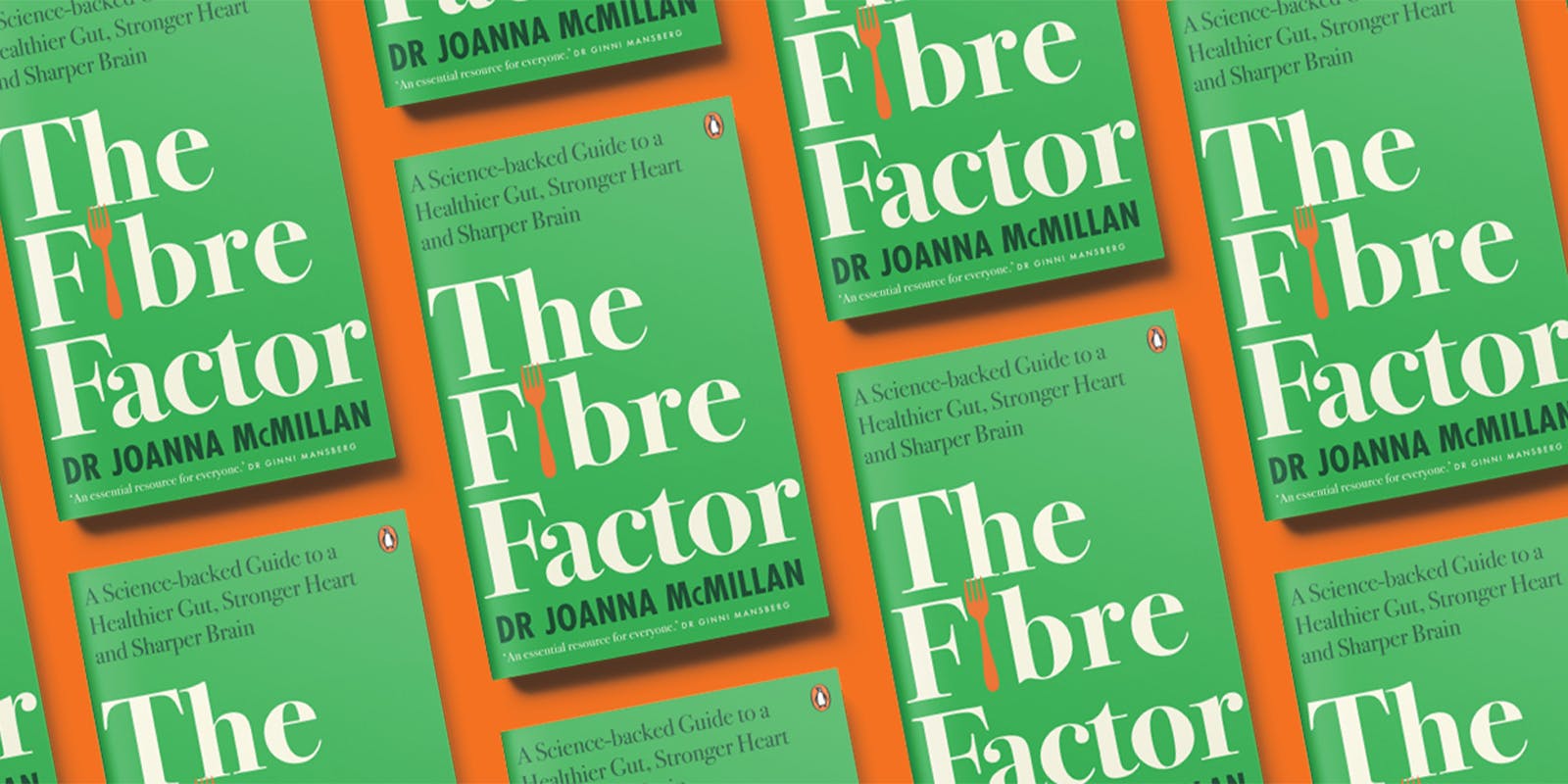
Check out a Q&A from Dr Joanna McMillan
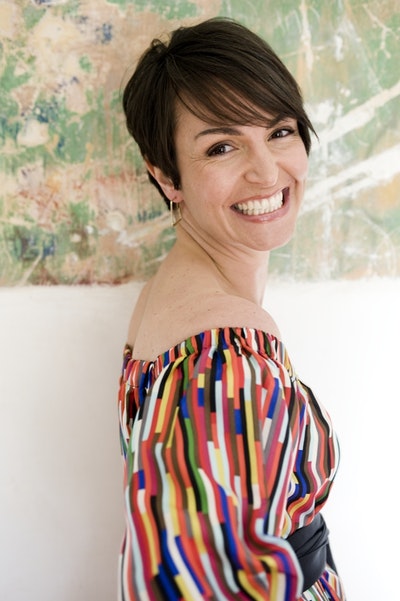
1. What’s the one nutrient missing from most Aussie kitchens – and why does it matter so much?
The one nutrient that is definitely missing from almost every Australian is fibre. We’ve kind of forgotten about it while we’ve gotten excited about other things like protein and fibre is missing from almost every Australian’s diet. It impacts everything from your gut to your brain health and everything in between.
2. Fibre is really trending right now. Is it just another fad or is TikTok onto something?!
I think Tiktok is onto something with how fibre is trending because everybody is kind of waking up to it. We’ve heard about the gut microbiome, we’ve heard about some of the impacts of fibre to your gut, and now I really want to broaden the understanding that fibre is much more than gut health. It even reaches your brain. So, fibre is really coming your way.
3. What are three everyday foods that do way more for your health than people realise i.e. surprising sources of fibre?
When people think of fibre, I think they automatically go to the whole grains and legumes, which are indeed amazing sources of fibre. But here’s three really surprising ones.
- Raspberries, it tops the charts amongst the fruits for fibre.
- Cocoa, a rather surprising one to most people.
- Potatoes! I am a Scot so I’m going to sing the praises of potatoes, but then also the skins of potatoes. You’ve got an astounding amount of fibre in there.
4. What is the biggest myth about fibre you’d love to bust once and for all?
I think the biggest myth that I want to bust about fibre is that it isn’t just one thing. It should actually be fibres, plural, because there are so many different types. And it’s not just the quantity of fibre that is important, but the total diversity of fibre.
5. Why is fibre so important for women?
Women are always trying to do various kinds of cleansing and aiding of their body’s detox systems and so what I want women to understand is that fibre has a very key
role in your detox pathways. So, by improving your diversity of fibre and their fellows in crime which are the polyphenols, you improve your body’s natural detox systems. It’s extraordinary.
6. Is there a more regular diet someone can go on than an extreme cleanse?
One of the things I debunk in the book is the idea of doing a juice cleanse. You can be doing more harm than good, and I talk you through why that is and why in fact, the best way to support your body’s detox pathways is to up your fibre and up your polyphenols. That kind of whole food approach and improving that quantity and diversity of fibres in your diet is the best way to get your body working optimally in terms of detoxification.
7. People often associate fibre with gut health, which of course is vital, but in The Fibre Factor you also explore many other benefits such as helping to clear brain fog. Can you talk a little bit about this, and also some of the other key benefits?
One of my big areas of interest is the brain, not just brain performance, but long-term brain health. And it’s extraordinary to think that what you might be eating in terms of your fibre quantity and diversity might be impacting your brain, but it really is. And most of that is happening via the gut microbiome. So particular types of fibre fuel the gut microbiome in a very healthy way. It’s the byproducts which the gut microbiomes are producing which are actually getting to your brain. These influence inflammation in your brain, the neural connections to your brain and even the blood brain barrier, which influences what gets across into your brain. By eating the right types of fibre, you can actually get your brain working better and that means less brain fog.
8. How may books have you written? What is the most rewarding part of the process and why do you keep coming back to it?
This is my ninth book, but I have to say I haven’t written them all on my own. Some of them I’ve written on my own, but often I’ve had a co-author with me. But The Fibre Factor is all me. I’m really excited about this book in particular because it’s been the undercurrent of my entire career, which is now almost three decades. I feel like this topic has been something I’ve been exploring the whole of my career so it’s been such an exciting experience to be able to dive deep into it and to be able to bring it to people.
One of the most exciting parts about being an author is seeing your book come to life. You have many deep and dark moments where you think it’s never going to happen. You have days where you can’t write and days where you write really well. I tend to work well late at night so I’m often writing late at night. So it sort of starts to take over your life a little bit. But then you start to see it come together and the most exciting moment is when you have the book in your hand at the end of the day.
9. You’re a PhD qualified nutrition scientist and dietitian – why fibre? How important is it to have true passion for your subject matter?
I think as an author, at least of nonfiction books, it really helps to be passionate about the topic. Otherwise, I can’t imagine how you get through those dark moments when you’re writing and creating a book. I would find it incredibly difficult to write about something that I wasn’t enthusiastic about. I hope my passion comes through in this book because this really is a topic that I feel has been forgotten about and really is going to help a lot of people when they come to understand it.
10. What is the hardest part about writing – the science, the structure, the storytelling?
I think the hardest part about writing is when you have a blank page in front of you, I’ve always had to get over that. I’m also a terrible procrastinator. My mum always tells me a story about when she called me and asked what I was doing, and I was cleaning my skirting boards and she said, ‘What are you supposed to be doing?’. She knows how good I am at procrastinating. So, I think one of the hardest things for me is just getting started. Not just the very start to the book, but the start of each section. My golden rule for myself is just get something down because I find it easier once I’ve got something on the page, then I’ve got something to work with and I can go from there.
11. Is there a moment or story from writing The Fibre Factor that stands out as especially rewarding or surprising?
I can tell you about the funniest moment, which was when I was writing the chapter basically on farting and the first thing that came to my mind was, of course, my family. They’re all notorious farters. I wrote this section which involved my mum and my younger brother, and my younger brother is now quite high up in education. He runs three schools just outside London. I had to email my mum and my brother to ask permission: was it okay if I told stories about them? Fortunately, my brother thought it was funny and said he couldn’t believe it’s taken nine books for him to get a mention, and it’s going to be about his farting! So, I got their approval.
12. What does your writing process look like? Are you a planner, or more of a “get it out and refine later” type?
I refine as I go when I’m writing. One thing I find helpful as I go is the app Scrivener and I find it so helpful because then what I do have is a plan. So, I have my chapters and I have my map, which means that I can delve into individual chapters, and I don’t have to have a big, long Word document that I’m dipping in every time and trying to find my place. I write it in sections, and I sometimes go, what do I feel like writing about today? If I’m not in a brain mood, I’ll write about heart health, or I’ll write about something else. I find it much easier to be able to dip into those individual sections by using that app.
The other software I use is Endnote which is how I do my referencing. For those of you who are writing scientific works, I find these software’s to be very helpful.
I also have a rule where if it’s not going well and it’s just not flowing, I stop and I just agree to walk away from it and come back another time. I’m not great first thing in the morning. I work better late afternoon and sometimes I work very late into the night. That just seems to be my natural process. But yes, the refining process does help later.
13. What’s something most people wouldn’t know about being an author?
I guess people would imagine that being an author can sometimes be quite lonely but I think what people don’t recognise is that although the individual writing process is quite lonely, and I quite like working on my own, so it’s not an issue for me. What they might not recognise is that once you get to a certain stage of your book and that draft is made, it becomes a team, and you start having other people involved. Other people are giving you feedback and refining and helping to shape your book. I very much enjoy that team element because it’s like handing over your baby and I’m always a bit nervous about someone reading it for the first time because I don’t often share any parts of my book until it’s at that draft stage.
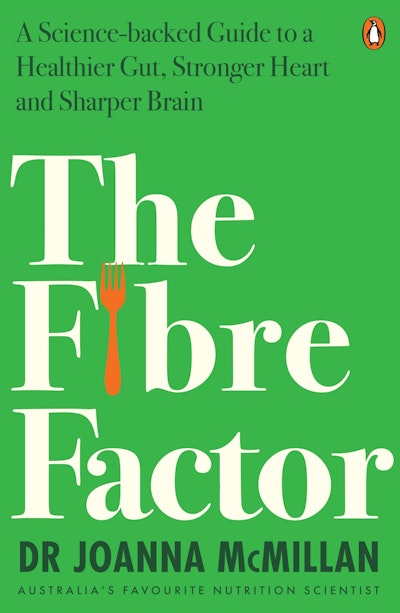
The ultimate guide to better gut health, brain function and whole-body wellness through the power of fibre.
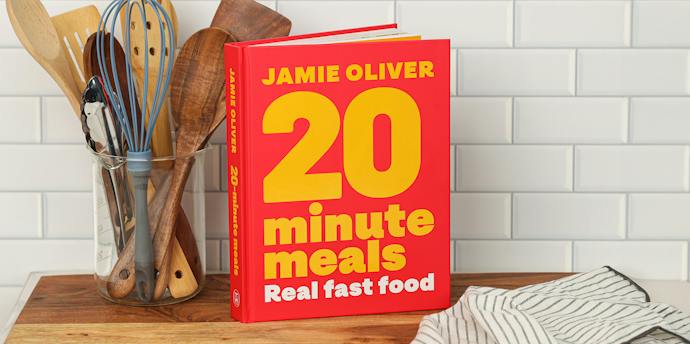
Five quick questions with Jamie Oliver on Aussie produce, cooking on a budget and making delicious meals in just 20 minutes.
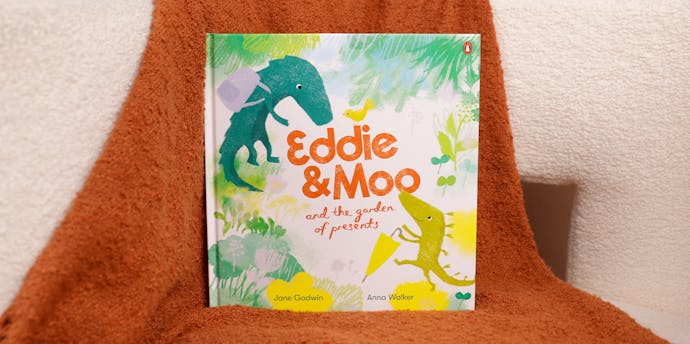
Read about the process of Jane and Anna's 10th picture book together, Eddie and Moo and the Garden of Presents – a delightful adventure for the very young about sharing joyful times together with friends.
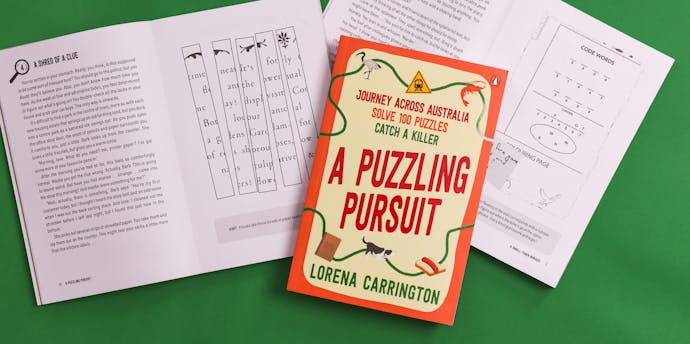
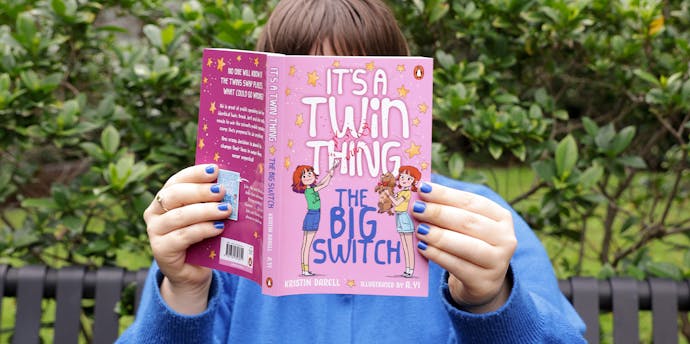
Get to know Kristin Darell and the inspiration behind her It's a Twin Thing series. 'Readers of the Sweet Valley Twins, Baby-Sitters: Little Sister and Click series will enjoy the familiar mix of friendship drama, shifting relationships and sibling rivalry.' - Kirsten Barich, Bookseller + Publisher
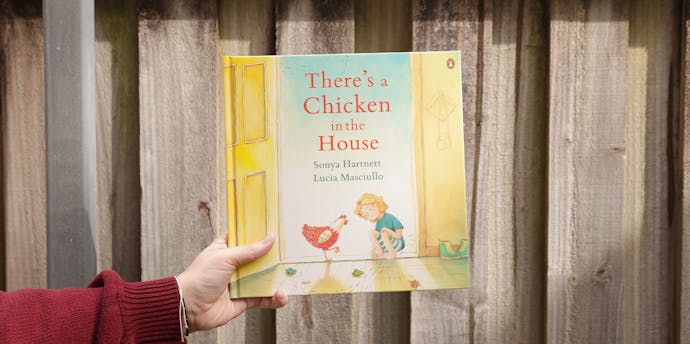
Get to know Sonya Hartnett and the inspiration behind her new title There's a Chicken in the House.
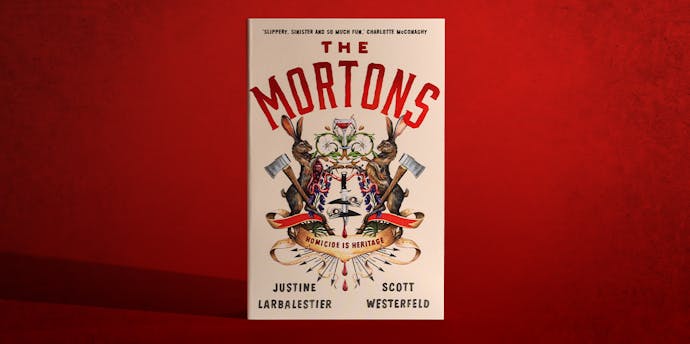
An author Q&A with Justine Larbalestier & Scott Westerfeld.
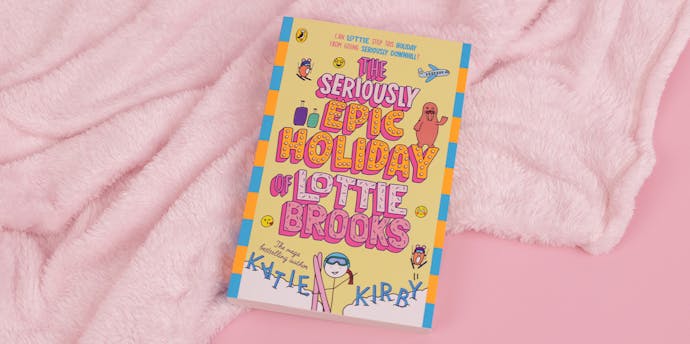
A Q&A with Katie Kirby, author of The Seriously Epic Holiday of Lottie Brooks.
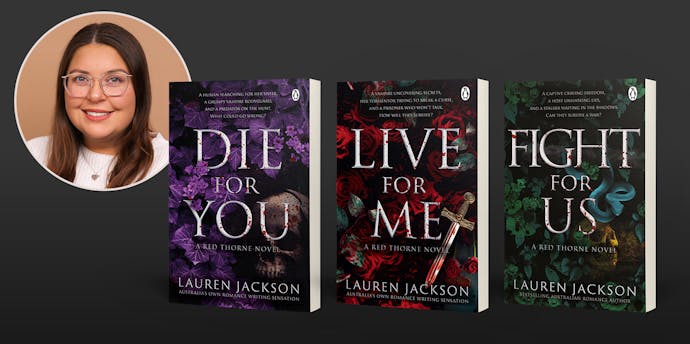
A Q&A between Lauren Jackson and Jodie Ramodien, the editor of Fight for Us, on the conclusion of Lauren’s Red Thorne series.
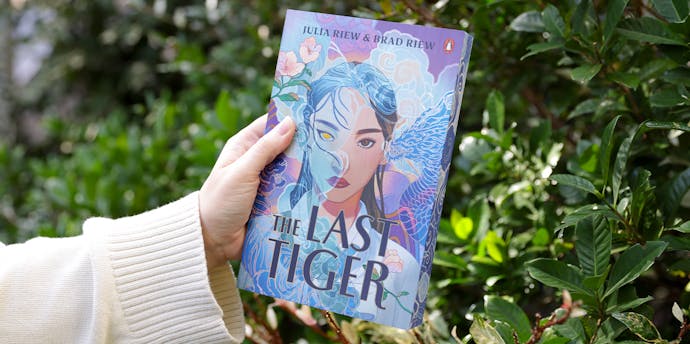
Including what they hope the book teaches young readers about getting through difficult times, and how we can look to ancestors for inspiration.
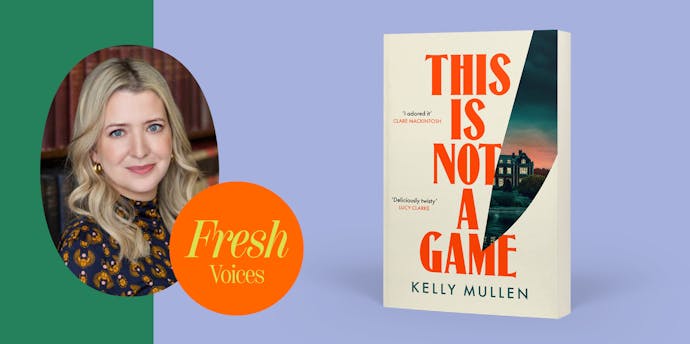
The author of This Is Not a Game on what inspired her novel and how a background in production influences her writing.
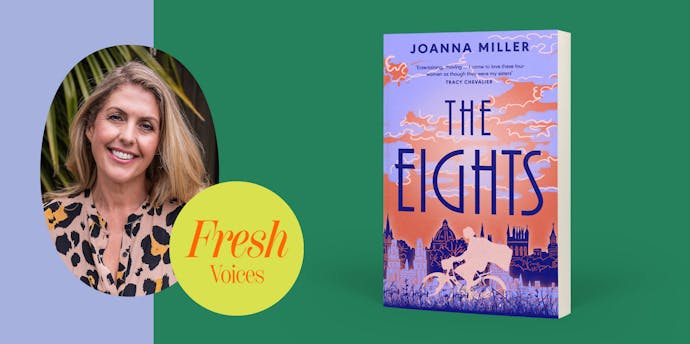
The debut author of The Eights shares writing advice, insights into the publishing process and which character she enjoyed writing most.