> Skip to content
[]
  • Published: 6 October 2026
  • ISBN: 9781761623080
  • Imprint: Penguin eBooks
  • Format: EBook
  • Pages: 256

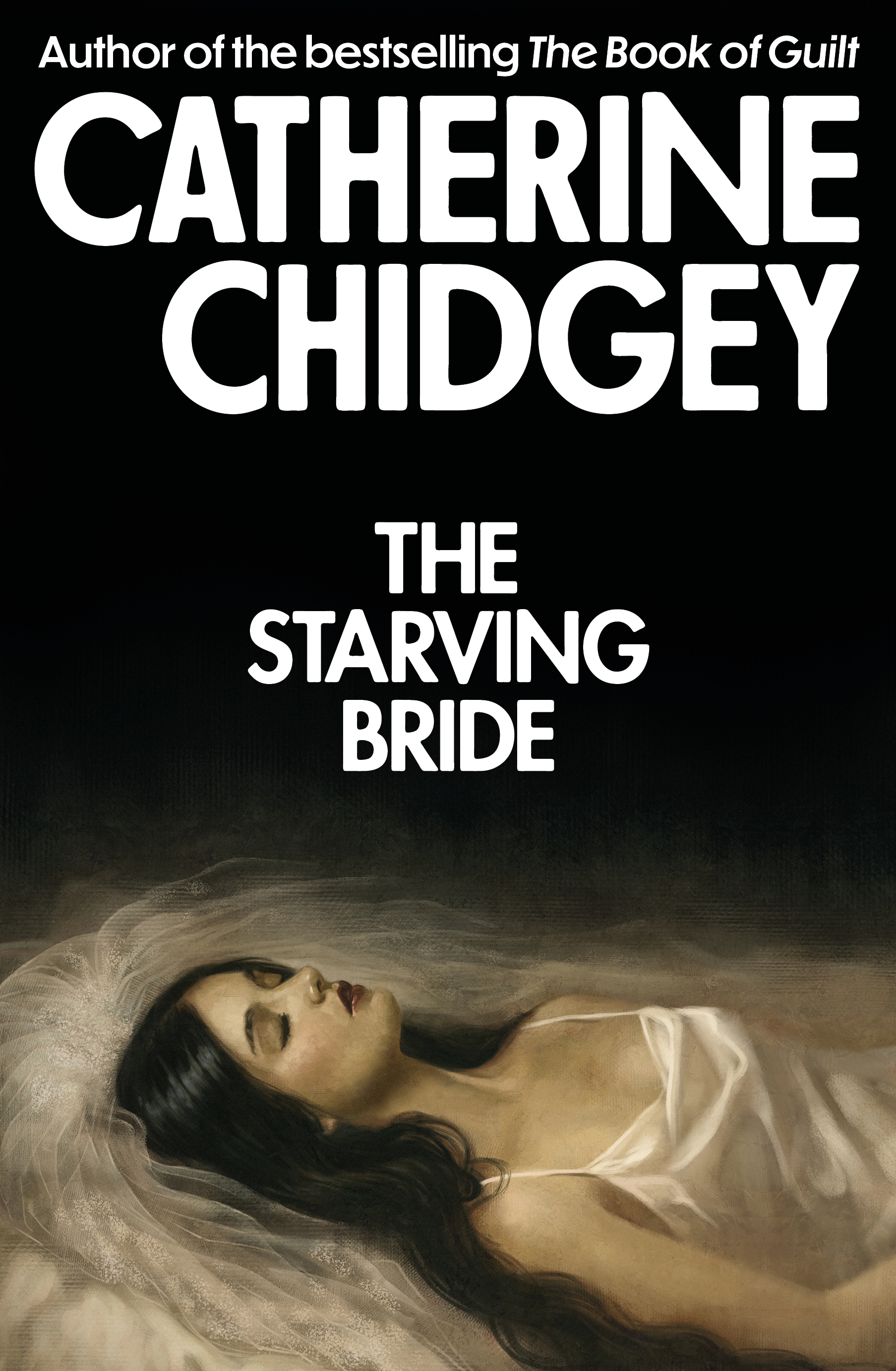
The Starving Bride


Provocative and utterly gripping, The Starving Bride is a razor-sharp exploration of beauty, shame, the impacts of ignoring the warning signs of catastrophe and the dangerous allure of spectacle in a world that can’t look away.

England, the near future.

Dumped by her boyfriend, fired from her job and estranged from her parents, Hazel Whitlock signs up for a sideshow act in Blackpool. The seaside resort has revived all the cancelled old favourites and she will be the Starving Bride.

On display in the iconic Blackpool Tower, with a ravenous lion prowling the enclosure, Hazel must lie in silence while spectators view her.

As the days tick down, thousands are captivated by Hazel’s transformation. Some are inspired. Some are obsessed. And some are watching far more closely than they should be.

Hazel’s old friend Gilda becomes increasingly worried for her welfare. Councillor Frank Marsh, meanwhile, investigating the stability of the Tower, is alarmed at his findings, but his concerns are ignored.

As the spectacle spirals and the world outside grows increasingly unstable, Hazel must confront the truth: how far is she willing to go to be seen?

  • Published: 6 October 2026
  • ISBN: 9781761623080
  • Imprint: Penguin eBooks
  • Format: EBook
  • Pages: 256

About the author

Catherine Chidgey

Catherine Chidgey is a multiple award-winner whose novels have achieved international acclaim. The Axeman’s Carnival was a number one bestseller in her native New Zealand, as was her previous novel Pet. Remote Sympathy was shortlisted for the Dublin Literary Award and longlisted for the Women’s Prize for Fiction. Her debut, In a Fishbone Church, won Best First Book at both the New Zealand Book Awards and the Commonwealth Writers’ Prize (South-East Asia and South Pacific region). It also won the Betty Trask Award and was longlisted for the Orange Prize. Her second novel, Golden Deeds, was a Notable Book of the Year in the New York Times Book Review and a Best Book in the LA Times. The Axeman’s Carnival and The Wish Child both won the Jann Medlicott Acorn Prize for Fiction – New Zealand’s most prestigious literary award. Other honours include the Prize in Modern Letters, the Katherine Mansfield Award, the Katherine Mansfield Fellowship, the Janet Frame Fiction Prize, and the Nielsen Independent New Zealand Bestseller award. Catherine Chidgey lectures in Creative Writing at the University of Waikato.

Also by Catherine Chidgey

See all

Praise for The Starving Bride

In The Starving Bride, the not-seeing is directed at the future as well as at each other, but it is harnessed to an unsettlingly eloquent portrait of the grifting and profiteering that teaches so many people to hate themselves, and of the cruelty and vacuity of a society seduced by spectacle.

James Bradley, The Saturday Paper

The Starving Bride engages with larger conversations around dysmorphia, disordered eating and childhood trauma, Chidgey writes with irony and well-observed satire. Her writing is intelligent and descriptive, and the complex storyline of Hazel’s public abstinence makes for a captivating reading experience.

Abe Theobald, Books + Publishing

Chidgey suggests that while the mechanisms and platforms for spectatorship have evolved, the appetite for watching, judging and disciplining bodies remains consistent. What emerges is an often disturbing and occasionally bleakly funny portrait of a society attempting to distract itself from mounting disasters, determinedly holding to the delusion that obvious dangers can be safely caged or tamed.

Julian Novitz, The Conversation

Gorgeously written.

Beejay Silcox, The Guardian

Astonishingly good. Riveting and the narrative pacing is perfection. It's a deep and close and furious examination of expectations of the female body. Chidgey has fast become on of the most interesting writers i read.

Jaclyn Crupi

There are several moments in Catherine Chidgey's new novel that lodge themselves somewhere deep in the stomach, in the space where unease tends to settle.

Laura Hampson, Sunday Magazine

There are passages of the book that are so sublime, the reader will pause to read them again. The Starving Bride is a cautionary tale, no less alarming than those so beloved by Victorians, but a thousand times more entertaining.

Stephanie Johnson, The Listener