> Skip to content
[]
  • Published: 15 April 2016
  • ISBN: 9780307949875
  • Imprint: Knopf US
  • Format: Paperback
  • Pages: 336
  • RRP: $36.99

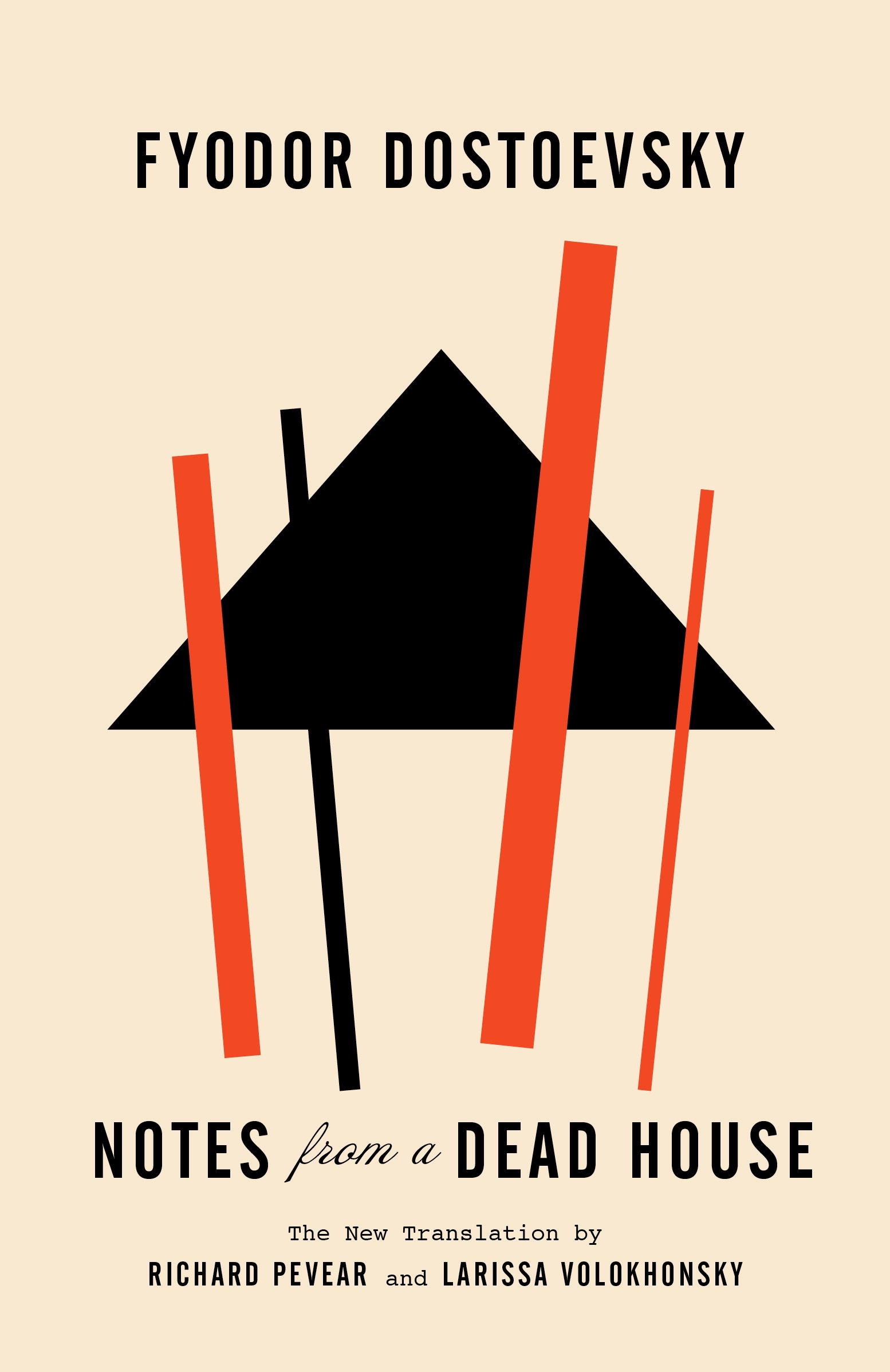
Notes from a Dead House


From the renowned translators: a new rendering--certain to become the definitive version--of the first great prison memoir, a fictionalized account of the writer's life-changing penal servitude in Siberia.

From the acclaimed translators Richard Pevear and Larissa Volokhonsky, hailed as “the premier Russian-to-English translators of the era” (The New Yorker), comes a masterful translation of the first great prison memoir: Fyodor Dostoevsky’s fictionalized account of his life-changing penal servitude in Siberia.

“A master of psychological portraiture. . . . A testament to the power of the human will, the way it can marshal patience and imagination and hope.”—The New Criterion

In 1849, Dostoevsky was sentenced to four years at hard labor in a Siberian prison camp for participating in a socialist discussion group. The novel he wrote after his release, based on notes he smuggled out, not only brought him fame, but also founded the tradition of Russian prison writing. Notes from a Dead House (sometimes translated as The House of the Dead) depicts brutal punishments, feuds, betrayals, and the psychological effects of confinement, but it also reveals the moments of comedy and acts of kindness that Dostoevsky witnessed among his fellow prisoners.

To get past government censors, Dostoevsky made his narrator a common-law criminal rather than a political prisoner, but the perspective is unmistakably his own. His incarceration was a transformative experience that nourished all his later works, particularly Crime and Punishment. Dostoevsky’s narrator discovers that even among the most debased criminals there are strong and beautiful souls. His story is, finally, a profound meditation on freedom: “The prisoner himself knows that he is a prisoner; but no brands, no fetters will make him forget that he is a human being.”

  • Published: 15 April 2016
  • ISBN: 9780307949875
  • Imprint: Knopf US
  • Format: Paperback
  • Pages: 336
  • RRP: $36.99

About the authors

Fyodor Dostoevsky

Fyodor Mikailovich Dostoevsky’s life was as dark and dramatic as the great novels he wrote. He was born in Moscow in 1821. A short first novel, Poor Folk (1846), brought him instant success, but his writing career was cut short by his arrest for alleged subversion against Tsar Nicholas I in 1849. His prison experiences coupled with his conversion to a profoundly religious philosophy formed the basis for his great novels. But it was his fortuitous marriage to Anna Snitkina, following a period of utter destitution brought about by his compulsive gambling, that gave Dostoevsky the emotional stability to complete Crime and Punishment (1866), The Idiot (1868–1869), The Possessed (1871–1872), and The Brothers Karamazov (1879–1880). When Dostoevsky died in 1881, he left a legacy of masterworks that influenced the great thinkers and writers of the Western world and immortalized him as a giant among writers of world literature.

Richard Pevear

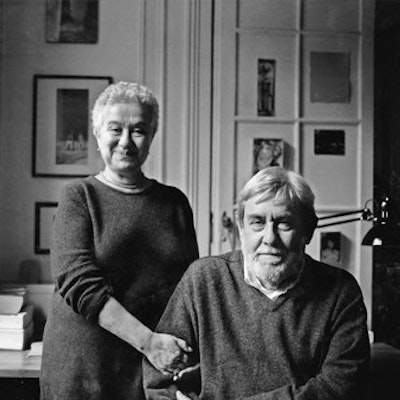
Together, RICHARD PEVEAR and LARISSA VOLOKHONSKY have translated works by Chekhov, Dostoevsky, Tolstoy, Gogol, Bulgakov, Leskov, and Pasternak. They were twice awarded the PEN/Book-of-the-Month Club Translation Prize (for Dostoevsky's The Brothers Karamazov and Tolstoy's Anna Karenina). They are married and live in France.

Larissa Volokhonsky

Together, LARISSA VOLOKHONSKY and RICHARD PEVEAR have translated works by Chekhov, Dostoevsky, Tolstoy, Gogol, Bulgakov, Leskov, and Pasternak. They were twice awarded the PEN/Book-of-the-Month Club Translation Prize (for Dostoevsky's The Brothers Karamazov and Tolstoy's Anna Karenina). They are married and live in France.

Praise for Notes from a Dead House

  • "Excellent.... Dostoevsky's constant preoccupation is the meaning of human freedom and the prisoners' preservation of their dignity." --Harper's Magazine
  • "A priceless addition to the literature of the penal experience.... A master of psychological portraiture.... A testament to the power of the human will, the way it can marshal patience and imagination and hope against the most nightmarish assaults on human dignity." --The New Criterion
  • "One of the most harrowingly universal books Dostoevsky ever wrote.... It's cause for no small celebration that the extraordinary series of translations by Pevear and Volokhonsky has now seized on Notes from The House of the Dead." --The Buffalo News
  • "The appearance of any new translation by Richard Pevear and Larissa Volokhonsky is always an event in a literary season.... [A] powerful new translation." --Open Letters Monthly
  • "One of literature's definitive prison memoirs.... A classic made current and a welcome addition to the library of Russian literature in translation." --Kirkus Reviews
  • "Dostoevsky unflinchingly describes the dehumanization of prison, such as the way fetters were not even lifted from the dying, but also conveys how the flame of humanity survives even under such conditions, allowing cleverness and compassion to endure. This new translation is eminently readable." --Publishers Weekly
  • "Excellent.... Dostoevsky's constant preoccupation is the meaning of human freedom and the prisoners' preservation of their dignity." --Harper's Magazine
  • "A priceless addition to the literature of the penal experience.... A master of psychological portraiture.... A testament to the power of the human will, the way it can marshal patience and imagination and hope against the most nightmarish assaults on human dignity." --The New Criterion
  • "One of the most harrowingly universal books Dostoevsky ever wrote.... It's cause for no small celebration that the extraordinary series of translations by Pevear and Volokhonsky has now seized on Notes from The House of the Dead." --The Buffalo News
  • "The appearance of any new translation by Richard Pevear and Larissa Volokhonsky is always an event in a literary season.... [A] powerful new translation." --Open Letters Monthly
  • "One of literature's definitive prison memoirs.... A classic made current and a welcome addition to the library of Russian literature in translation." --Kirkus Reviews
  • "Dostoevsky unflinchingly describes the dehumanization of prison, such as the way fetters were not even lifted from the dying, but also conveys how the flame of humanity survives even under such conditions, allowing cleverness and compassion to endure. This new translation is eminently readable." --Publishers Weekly