> Skip to content
[]
  • Published: 1 June 2021
  • ISBN: 9781841593982
  • Imprint: Everyman
  • Format: Hardback
  • Pages: 344
  • RRP: $35.00

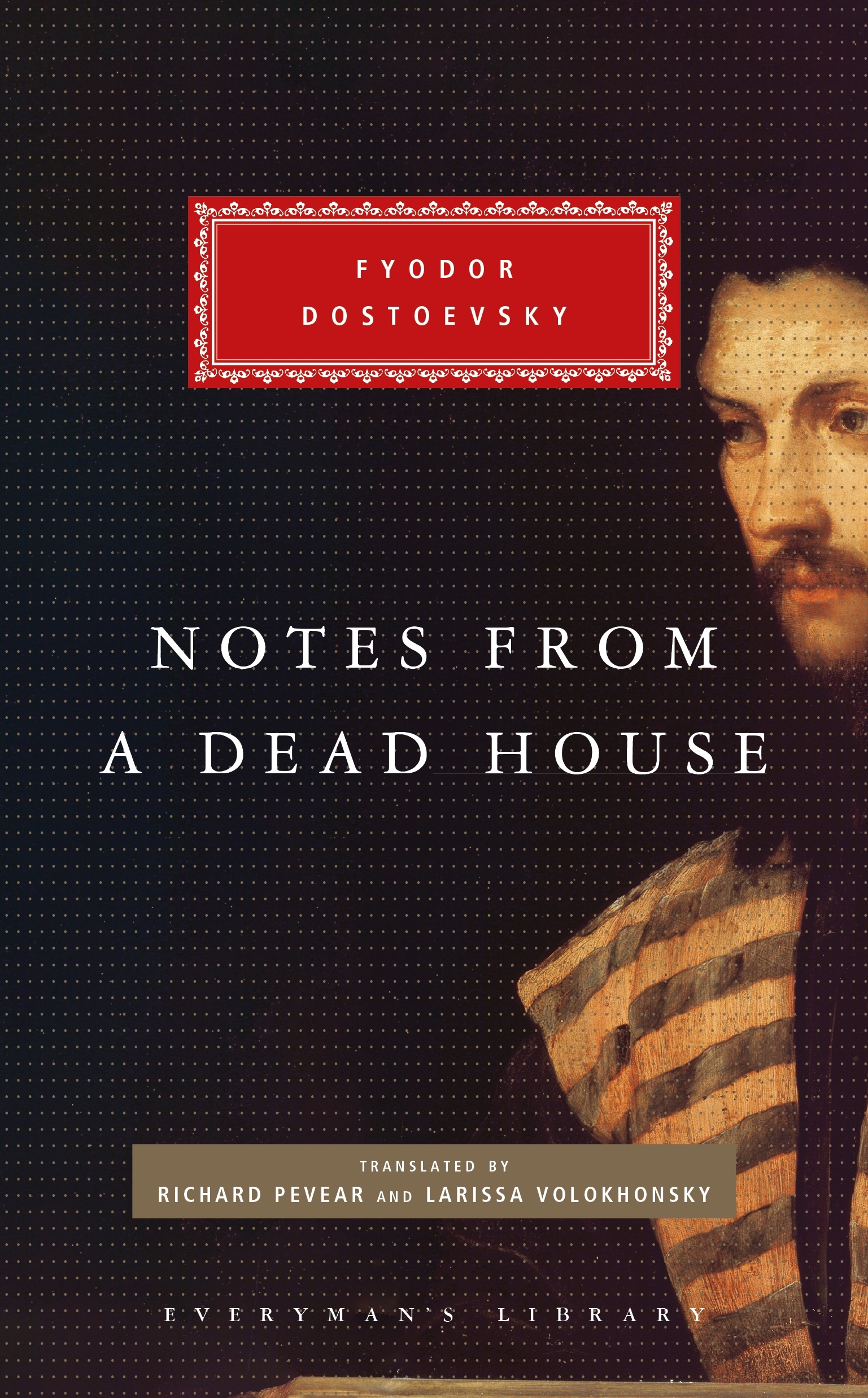
Notes from a Dead House


In 1849 the young Fyodor Dostoevsky was sentenced to four years' hard labour in a Siberian prison camp for advocating socialism. Notes from a Dead House (sometimes translated as The House of the Dead), the novel he wrote on his release, tells of shocking conditions, brutal punishments, and the psychological effects of the loss of freedom and hope; it describes the daily life of the prison community, the feuds and betrayals, the moments of comedy, the unexpected acts of kindness.
To avoid censorship, Dostoevsky made his protagonist a common criminal, but the perspective is unmistakably his own. As a member of the nobility he had been despised by his fellow prisoners, most of whom were peasants - an experience shared in the book by Alexander Petrovich Goryanchikov, a nobleman who has killed his wife. Like his creator, Goryanchikov undergoes a transformation over the course of his ordeal, as he discovers 'deep, strong, beautiful natures' amongst even the roughest of the convicts. Notes from a Dead House shows the prison camp as a tragedy for the inmates and a tragedy for Russia. It endures today as a profound meditation on freedom.
  • Published: 1 June 2021
  • ISBN: 9781841593982
  • Imprint: Everyman
  • Format: Hardback
  • Pages: 344
  • RRP: $35.00

About the authors

Fyodor Dostoevsky

Fyodor Mikailovich Dostoevsky’s life was as dark and dramatic as the great novels he wrote. He was born in Moscow in 1821. A short first novel, Poor Folk (1846), brought him instant success, but his writing career was cut short by his arrest for alleged subversion against Tsar Nicholas I in 1849. His prison experiences coupled with his conversion to a profoundly religious philosophy formed the basis for his great novels. But it was his fortuitous marriage to Anna Snitkina, following a period of utter destitution brought about by his compulsive gambling, that gave Dostoevsky the emotional stability to complete Crime and Punishment (1866), The Idiot (1868–1869), The Possessed (1871–1872), and The Brothers Karamazov (1879–1880). When Dostoevsky died in 1881, he left a legacy of masterworks that influenced the great thinkers and writers of the Western world and immortalized him as a giant among writers of world literature.

Richard Pevear

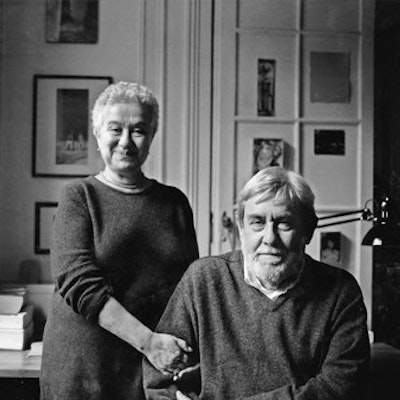
Together, RICHARD PEVEAR and LARISSA VOLOKHONSKY have translated works by Chekhov, Dostoevsky, Tolstoy, Gogol, Bulgakov, Leskov, and Pasternak. They were twice awarded the PEN/Book-of-the-Month Club Translation Prize (for Dostoevsky's The Brothers Karamazov and Tolstoy's Anna Karenina). They are married and live in France.

Larissa Volokhonsky

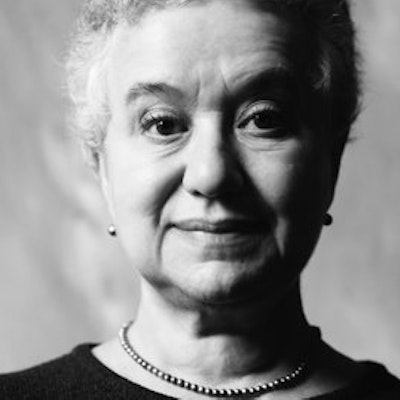
Together, LARISSA VOLOKHONSKY and RICHARD PEVEAR have translated works by Chekhov, Dostoevsky, Tolstoy, Gogol, Bulgakov, Leskov, and Pasternak. They were twice awarded the PEN/Book-of-the-Month Club Translation Prize (for Dostoevsky's The Brothers Karamazov and Tolstoy's Anna Karenina). They are married and live in France.