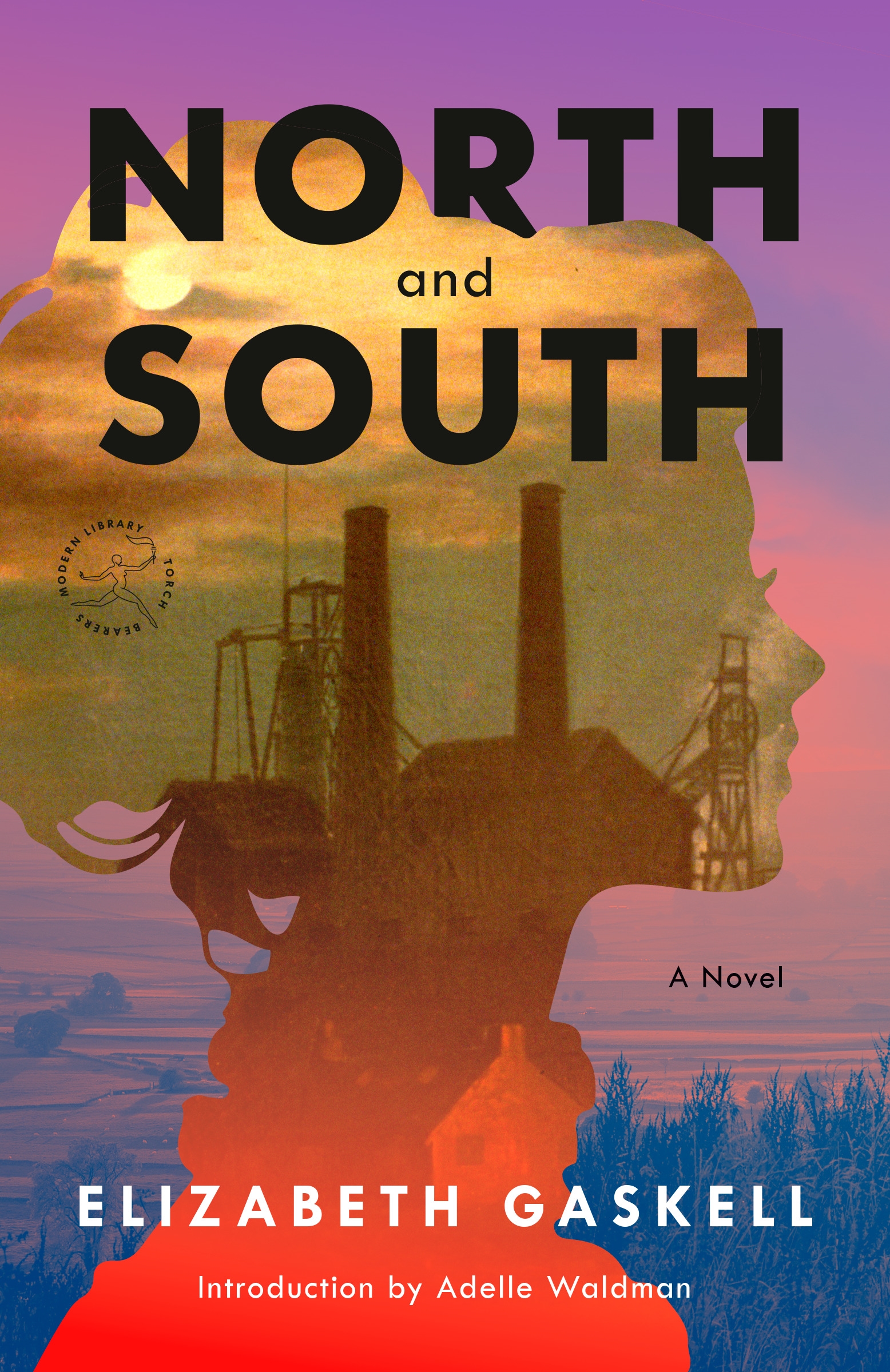
Elizabeth Gaskell’s beloved Victorian classic examines social class, integrity, and the tensions between solidarity and autonomy, through the lens of England’s Industrial Revolution—freshly presented with an introduction by bestselling author Adelle Waldman
Nineteen-year-old Margaret Hale is devastated when her father unexpectedly gives up their family’s financial security and their picturesque country home in southern England for the dingy northern manufacturing city of Milton. Raised among high London society, Margaret is horrified by the north—full of clattering machinery; a surly, plain-spoken populace; and a bitter class divide between factory owners and workers.
Fitting neatly into neither class, Margaret moves on the outskirts of both circles—meeting the brusque, rigidly-principled factory owner Mr. Thornton, as well as the union leader Mr. Higgins and his invalid daughter Bessy. While Margaret seeks to reconcile her southern upbringing with the north’s ideals of commerce and self-sufficiency, she must also balance her parents’ increasing dependence on her as well as a heavy family secret and her own acute sense of unbelonging.
As Margaret’s pride and ingrained biases tangle with her strong conscience and a growing sense of moral outrage, she clashes again and again in outspoken debates with Mr. Thornton, who comes to admire her despite Margaret’s own disregard. But after the union calls for a town-wide strike, Margaret’s perceptions of her old life and her new home in Milton—and of the people who live there—are shaken to the core.
In this celebrated social classic, Elizabeth Gaskell presents a richly-drawn moral heroine, an aching romance, and an industry town on the knife’s edge of labor revolt—with a prescient insight and empathy that feel more than a century ahead of their time.
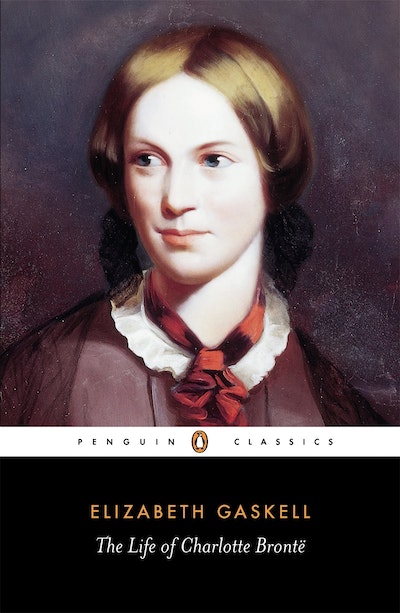
ELIZABETH GASKELL (1810–1865) was born Elizabeth Stevenson in London, the daughter of a Unitarian minister who resigned his position on conscientious grounds. Her mother died a year after her birth, and Gaskell spent her formative years in the care of relatives in northern England. In 1832, she married William Gaskell, a well-known Unitarian minister, and joined him to work among the poor for social reform. They had four daughters, as well as a son who died in infancy. His death left Gaskell so distraught that she began writing for distraction. Her first major success was the novel Mary Barton (1848)—published, as were her first several works of short fiction, under the pseudonym Cotton Mather Mills. For many years, she also wrote regularly for Charles Dickens’s magazine, Household Words, contributing stories and a serialized novel, Cranford. Meanwhile, the Gaskells’ home in Manchester became a popular stop for writers and reformers, including Dickens, Harriet Beecher Stowe, John Ruskin, and Charlotte Brontë, who became a close friend. After Brontë’s death, her father, Patrick Brontë, asked Gaskell to write her biography. The Life of Charlotte Brontë proved a pioneering and controversial psychological study of Brontë’s family life, and remains perhaps the most important book on the writer. Gaskell died of a heart attack in 1865. A memorial to her lies at Poets’ Corner in Westminster Abbey.