
We talked to Dr Susan McLaine, creative director of Bibliotherapy Australia, to learn all about bibliotherapy and its myriad benefits.
Any book lover will attest to the power of books. The laundry list of benefits that can be reaped from reading is a long one. Books help us develop empathy. They inform and educate us. They allow us to escape into another world when our lives might seem like a bit ‘too much’. They encourage emotional release as we laugh and cry with characters. They help our brains create new neural pathways, bolstering our logic, reasoning, and pattern recognition skills.
All this considered, it comes as no surprise to hear that in 2023 books are being embraced as a therapeutic tool. It seems like an obvious application for books – a surprisingly simple aid that has been – literally – right under our noses this whole time.
‘Books are, as we know them, an art form. But they’re also a very accessible wellbeing resource,’ says Dr Susan McLaine, creative director of Bibliotherapy Australia and a leading advocate and practitioner of bibliotherapy. At its simplest, bibliotherapy is exactly what it sounds like: reading books (hence: biblio) as a form of therapy.
The concept of bibliotherapy is new to our modern conception of what therapy entails, but the idea of reading for mental benefits can be traced back to ancient times. According to Bibliotherapy Australia, libraries in Thebes and Alexandria had inscriptions over their entrances that when translated read, ‘healing place of the soul.’ While we might not have had a name for it in the past, it turns out that humans have been engaging in bibliotherapy for centuries.
You’ve probably practised bibliotherapy at some point in your life without realising it. Remember the state of calm that washed over you as a child when your mother read you a bedtime story? What about that moment when you stuck your nose into a book on a turbulent flight to help quell your flying anxiety? Even reading self-help books in search of guidance during a difficult period is practising bibliotherapy. As confirmed by Susan, ‘there are all sorts of bibliotherapy.’
Coined in 1916, the term is now perhaps best known by people who read self-help books recommended by mental health workers or psychologists as part of cognitive behavioural therapy. ‘But there’s also the opportunity to use fiction and literary texts in a healing way as well,’ says Susan. ‘I try to think about what a wonderful wellbeing resource they are.’
And while Susan has been researching, practising and speaking about bibliotherapy for more than 14 years now, her point has never been made clearer than during the initial months of the Covid pandemic.
Though she prefers to hold bibliotherapy sessions in face-to-face group settings, Susan partnered with the State Library Victoria in-between lockdowns to create a bibliotherapy podcast. Making her podcasts easily accessible to the public, she tried to bring the fundamentals of her practice into a new format.
‘There are so many ways you can explore a text. . . I try to distil what the key message is.’ When using fiction as a therapeutic tool, Susan emphasises the importance of staying present and allowing the reading to bring some healing in whatever capacity you can handle at the moment. ‘For people listening to those podcasts, maybe all they could take on at that stage, during that part of the Covid pandemic, was learning to slow down a little bit. Maybe all they could do was just to stop doing for a little while and slow down.’
While the worst of the pandemic, lockdowns and all, is hopefully behind us, Susan is sure that the power of bibliotherapy is still very much needed to help us heal. ‘What we’re dealing with is more than Covid. Now we’re facing uncertainty on several levels, and it takes some time to get steady again.’ People are leaving their jobs and changing career paths, proving to Susan that people are rethinking how they’re living. As with any big change, it’s important that anyone struggling feels supported and capable of tending to their mental health. What better way to do that than with books?
As a leader in the field of bibliotherapy, Susan is delighted to see others beginning to embrace the idea. ‘If you talk about art therapy, dance therapy or music therapy, people understand that. But people don’t understand bibliotherapy because they can’t explain it properly. One of the things I’m very passionate about is trying to change that.’
In addition to her work as a bibliotherapist, she is constantly working to train more people in bibliotherapy so that they too can take those skills out into the world to help others. In offering a ‘Building Bibliotherapy Skills’ course, Susan hopes to equip others with the confidence and training to spread the benefits of bibliotherapy far and wide.
‘When we listen to the stories of others and think about them, deep down we also know at some level that we can start to write new stories for ourselves. That takes time to do. It’s not a quick process, but knowing that we can is very powerful.’
To learn more about Dr Susan McLaine, her bibliotherapy courses, and where you can listen to her free podcasts, visit Bibliotherapy Australia.
Recommended Reads
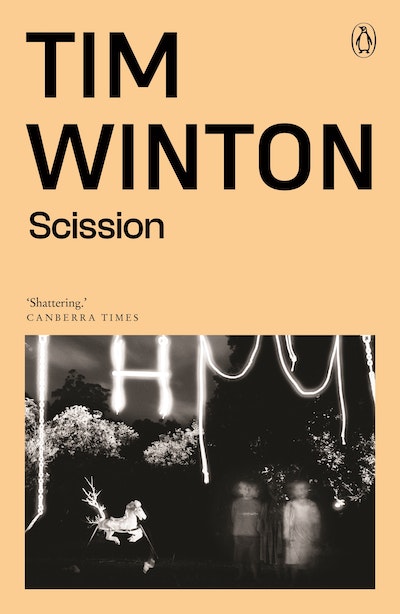
Scission Tim Winton
In Episode 7 of the Bibliotherapy With State Library Victoria podcast, Susan guides readers through Tim Winton’s short story ‘Neighbours’ from his short fiction collection, Scission. Listen to the story, then consider your own ideas about what it means to redefine ‘community’.
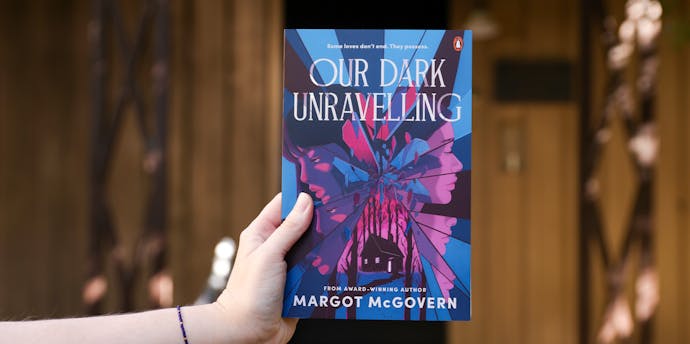
Margot McGovern’s Our Dark Unravelling is the must-read YA horror thriller for 2026.
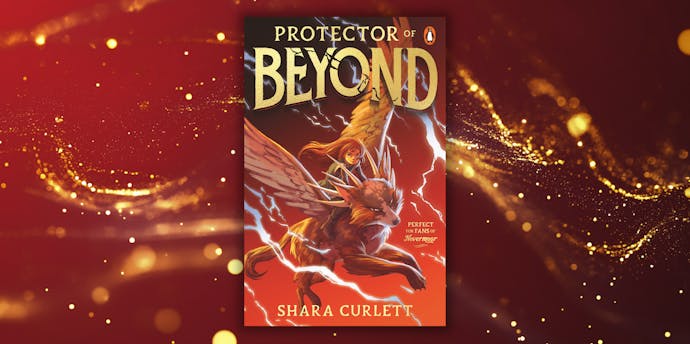
Magical creatures, perilous trials and one unbelievable adventure await in Protector of Beyond, the first book in a gripping new fantasy book series from exciting new voice Shara Curlett.

Fall in love with Penguin’s selection of the best romance fiction. Explore our diverse list of new favourite reads, from YA favourites to Australian classics.

Looking for a good book to accompany your holiday? Whether you’re sitting poolside, on a snowy escape or relaxing at home, find our 10 best choices here.
At the end of a busy day, many of us like to sit down with a good book or in front of the television to relax. Both offer the chance to enjoy a great story, but they engage us in their own ways.
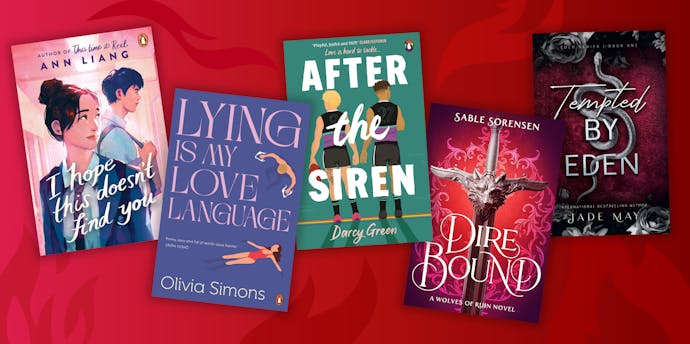
From a smouldering slow-burn to fiery heat at first bite, we’ve paired some of our best spicy books with our most delicious dishes.
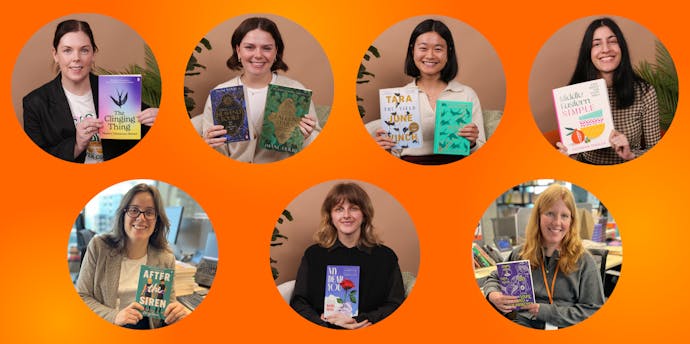
Discover the diverse books our team recommends to broaden your reading and introduce you to unforgettable new authors.
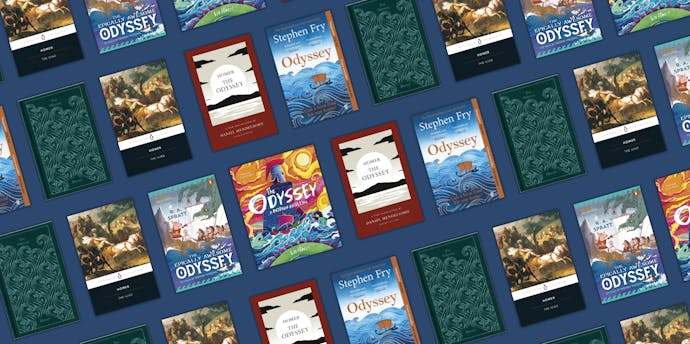
Forget the Roman Empire. We're entering our Greek mythology era.
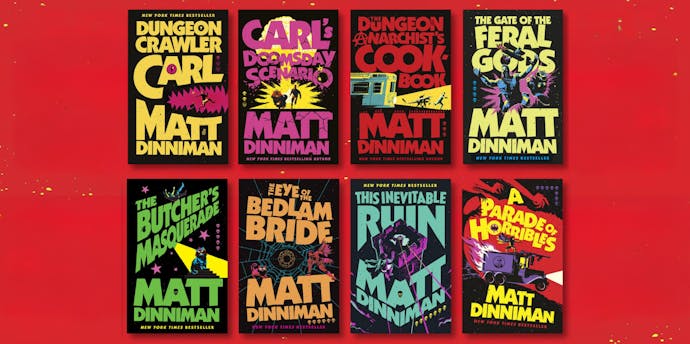
If you’ve been hearing these words a lot lately and not sure what they mean, here’s your guide to the DCC universe.
See Penguin Australia’s selection of the best book adaptations, from movies to TV shows. Get to reading or watching your next favourite here.
Discover Penguin Australia’s best memoirs & biographies. Find a curated list of powerful stories from the most interesting & inspiring people.
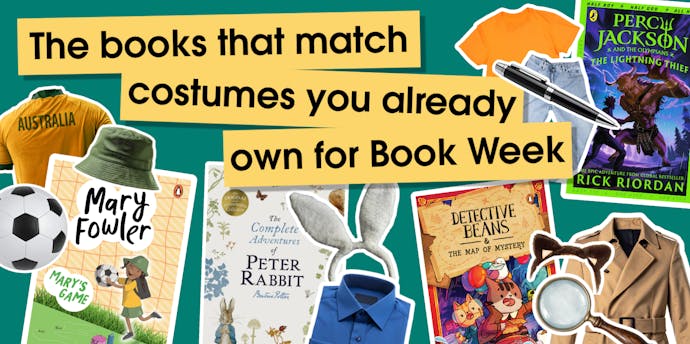
Do you already have a costume for Children's Book Week, but no book to match?