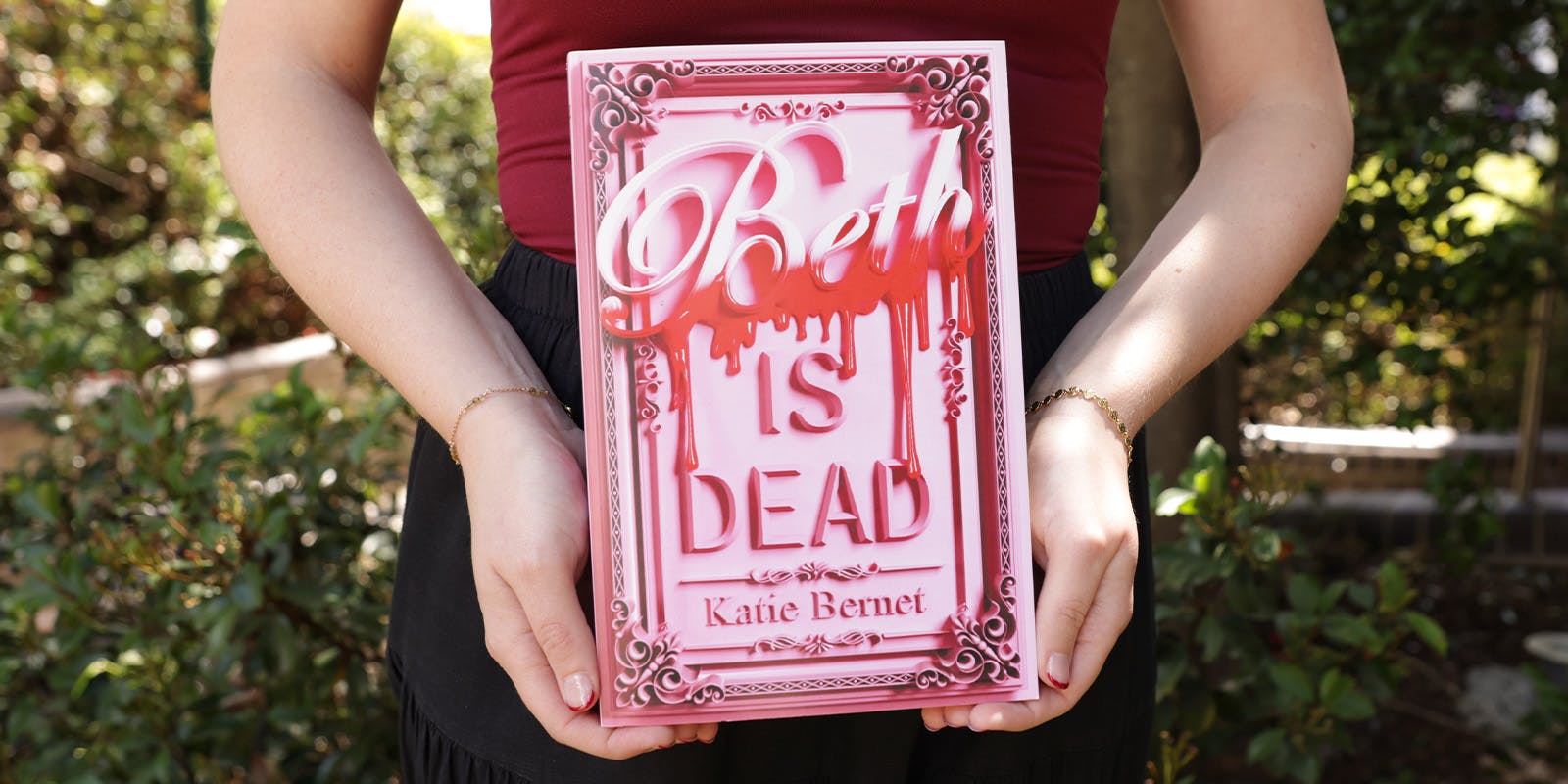
Why must Beth die? The ‘best’ March sister, doomed to perish? Beth dies in every version of the story, including the new contemporary thriller, Beth Is Dead by Katie Bernet, which begins with Beth’s murder. What is the reasoning behind it?
For many a Little Women fan, Beth’s passing is the saddest part of the book and adaptations; the scene in Greta Gerwig’s film, when Jo runs downstairs to a cold, empty kitchen, Beth’s warmth obviously absent, is particularly devastating.
Her death stays with readers, inevitably, just as it stays with her sisters.
Why must Beth die? The ‘best’ March sister, doomed to perish? Beth dies in every version of the story, including the new contemporary thriller, Beth Is Dead by Katie Bernet, which begins with Beth’s murder. What is the reasoning behind it?
In the original Little Women, Beth is based on Lizzie, the second youngest, often forgotten Alcott, who passed away at 22 from similar reasons to Beth. Immortalised in her family’s fictionalised accounts of her, there is a divorce between Lizzie, the frustrated and pained young woman, and Beth, the peaceful, ‘good’ child, an argument Carmen Mario Machado makes in her essay, The Real Tragedy of Beth March. She begins with a passage from the beginning of the story, where Beth asks, ‘If Jo is a tomboy and Amy a goose, what am I, please?” “You’re a dear,” Meg answers, “and nothing else.”’ (Machado).
Hence Muchado’s argument is Beth is a grieving family’s tribute to the best of their sister; the perfect, angelic child that the real Lizzie is buried behind. Following this line of thought, we can hypothesise Beth has to die: to prove the world is complicated, to unite her sisters once more (a haunting plot device), and to die ‘a dear’, a weaker, beloved star to her sister’s suns.
This argument isn’t shared by contemporary adaptation. There have been many different portrayals of Beth, particularly across film and tv, and most never stray too far from her sweet and sensitive nature. Recently however, they prioritise her strength. Often underestimated, Beth is far from weak in spirit.
She’s a March sister, after all.
The interesting departure from Little Women’s Beth in the new Beth Is Dead, is Beth’s peace with her death, and how she lives on despite its closeness. In Beth is Dead, the March sisters are infamously written into their father’s novel, Little Women, that ends in Beth’s demise. Except, of course, Beth is alive. In this retelling, Beth cannot make peace with the fictional death she undergoes within her father’s novel, and there is no illness or acceptance in her death. . . only a murderous finality.
It’s tragic, perhaps more tragic, than the original, uniting and tearing apart her sisters. A question Jo asks, why Beth must die in their father’s novel, becomes a chilling and unanswerable question.
So what can we think? Is it simply an easy plot device, to kill the sweet little sister? As perhaps Beth Is Dead proves, Beth is not just a pure soul. She can be, and is, so much more, both in the original Little Women, and many adaptations since.
What a shame then, that Beth is dead.
References: “A Dear and Nothing Else,” by Carmen Maria Machado, from March Sisters: On Life, Death, and “Little Women,” by Kate Bolick, Jenny Zhang, Carmen Maria Machado, and Jane Smiley. Publication date, August 27, 2019, in hardcover and eBook by Library of America.
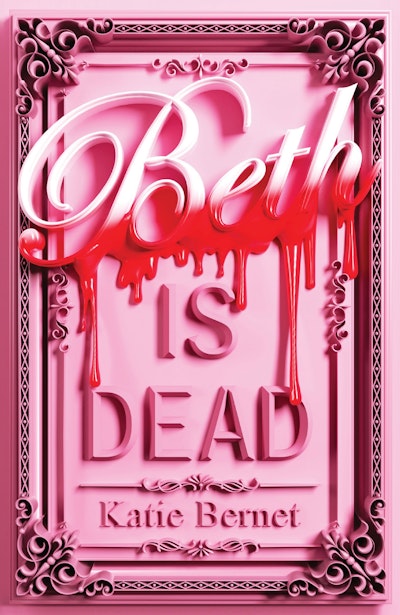
SUNNIE READS book club pick for January 2026!
Beth March has been murdered, and all her sisters are suspects . . .

Learn about the inspiration behind debut authors’ first novels.
Take this quiz to find out whether you're a Beth, Amy, Jo or Meg!

Check out the most anticipated YA books hitting shelves in 2026.
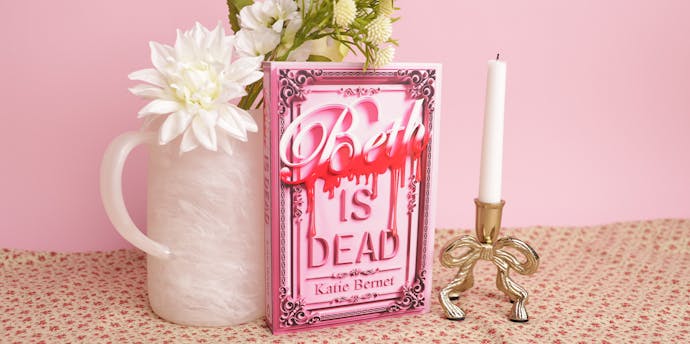
Start your Beth Is Dead book club discussion with these questions.
Take this quiz to find out which Hawthorne brother from The Inheritance Games series would be your perfect match.

Penguin Random House (PRH) has been made aware of people impersonating our authors, including Richard Flanagan, and contacting members of the public by email or through social media.
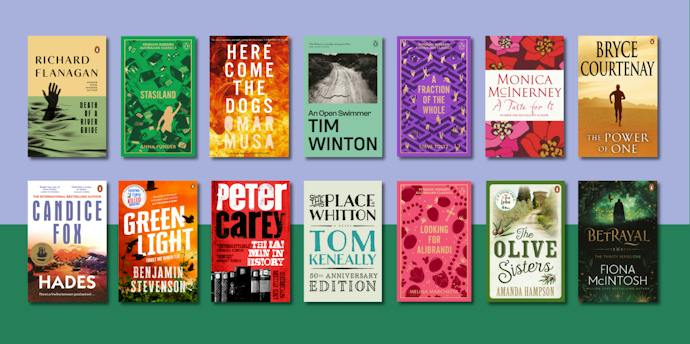
Every great author must start their story somewhere.
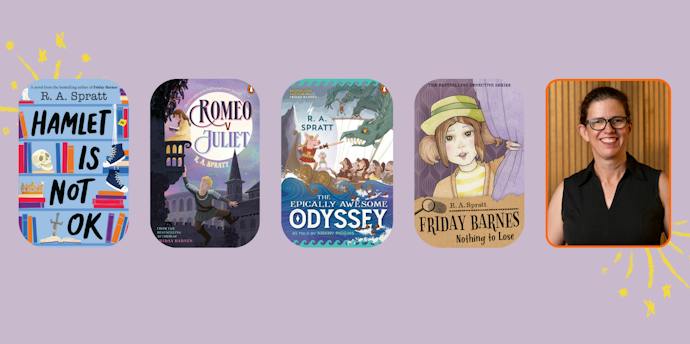
October is Dyslexia Awareness Month, a time to build greater awareness and understanding of dyslexia and the different ways people experience reading. Author R. A. Spratt shares some of the techniques she uses to make her books more accessible for dyslexic readers, along with practical reading and writing tips drawn from her own experience.
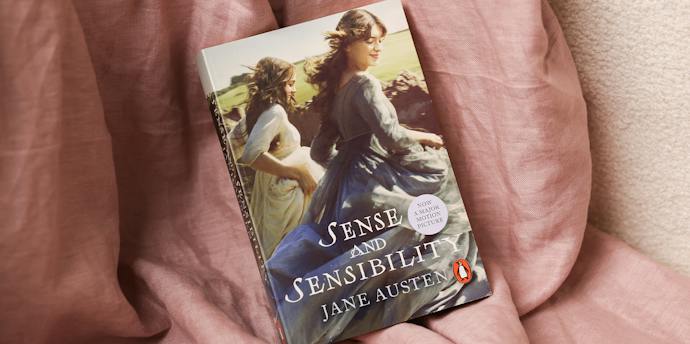
The Dashwood sisters return to the big screen in a new Sense and Sensibility adaptation starring Daisy Edgar-Jones and Esmé Creed-Miles.
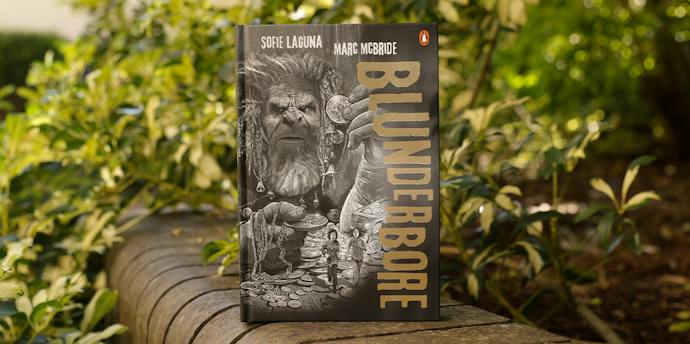
This is Jack and the Beanstalk like you’ve never seen it before! An exciting action-packed graphic adventure story set in the world of Jack in the Beanstalk. From award-winning author Sofie Laguna and monster-illustrator extraordinaire, Marc McBride.