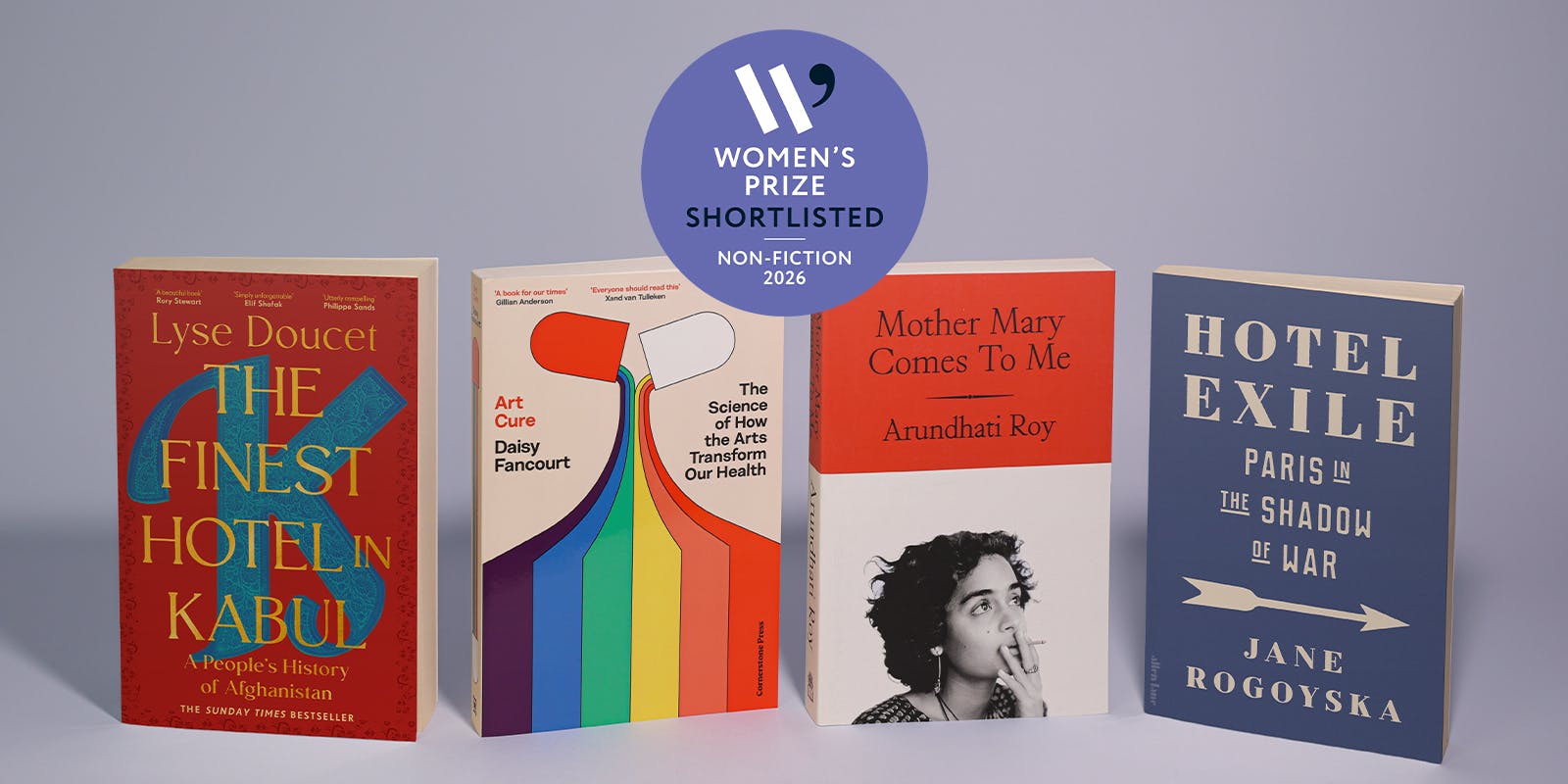
We are delighted to share that we have an abundance of female authors shortlisted for the Women's Prize For Non-fiction 2026 awards!

Congratulations to all our female authors shortlisted for the Women's Prize for Non-Fiction 2026 awards!
The Women's Prize for Non-Fiction Celebrates excellence, originality and accessibility in narrative non-fiction written by women.
We wish our authors all the best for when the winner is revealed on 11 June.
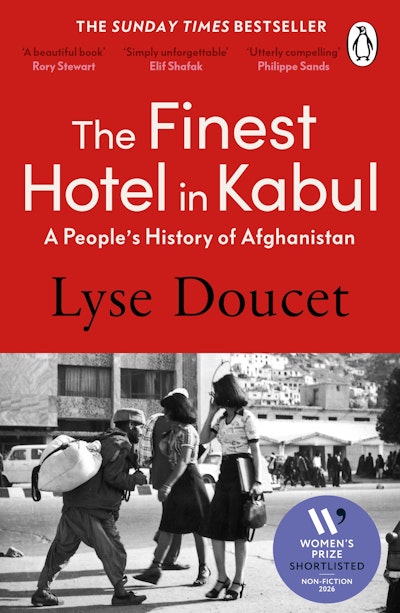
The Finest Hotel in Kabul Lyse Doucet
In 1969, the luxury Hotel Inter-Continental Kabul opened its doors: a glistening white box, high on a hill, that reflected Afghanistan’s hopes of becoming a modern country, connected to the world.
Lyse Doucet first checked into the Inter-Continental on Christmas Eve 1988. In the decades since, she has witnessed a Soviet evacuation, a devastating civil war, the US invasion, and the rise, fall and rise of the Taliban, all from within its increasingly battered walls. The Inter-Con has never closed its doors.
Now, she weaves together the experiences of the Afghans who have kept the hotel running to craft a richly immersive history of their country. It is the story of Hazrat, the septuagenarian housekeeper, of Abida, who became the first female chef after the fall of the Taliban in 2001. And of Malalai and Sadeq, the twenty-somethings who seized every opportunity offered by two decades of fragile democracy – only to see the Taliban come roaring back in 2021.
Through these intimate portraits of Afghan life, the story of a hotel becomes the story of a people.
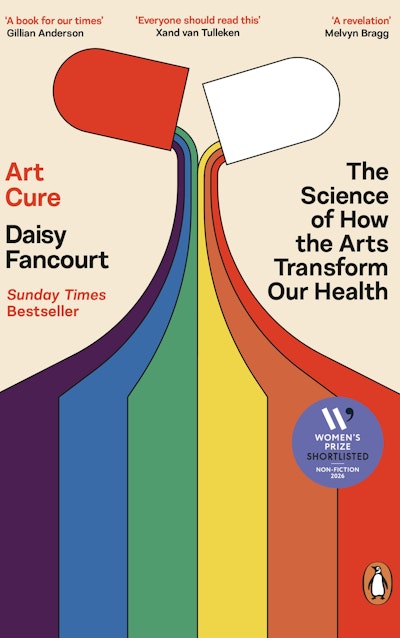
Art Cure Daisy Fancourt
Many of us consider making and consuming art to be a hobby, or even a luxury. But what if arts engagement – from classical music to salsa, poetry to pop concerts, galleries to graffiti – was in fact one of our most powerful tools for unlocking health and happiness?
What if art could help you live longer – and even save your life?
In Art Cure, world-leading expert and award-winning scientist Professor Daisy Fancourt reveals the life-changing power of the art and, perhaps most importantly, how art helps us not only to survive, but to thrive and flourish.
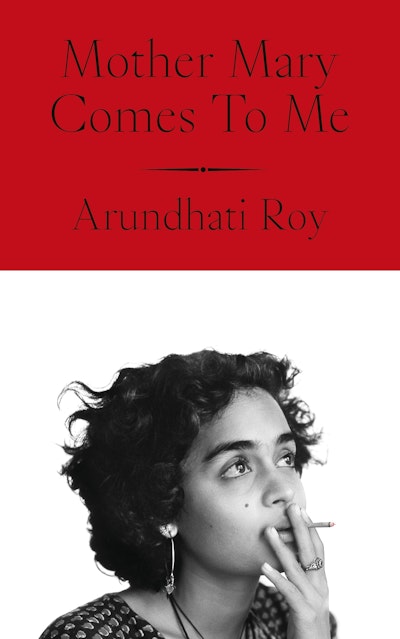
Mother Mary Comes to Me Arundhati Roy
Arundhati Roy’s first work of memoir, this is a soaring account, both intimate and inspiring, of how the author became the person and the writer she is, shaped by circumstance, but above all by her relationship to her extraordinary, singular mother Mary, who she describes as ‘my shelter and my storm’.
Distraught and even a \"little ashamed\" at the intensity of her response to the death of the mother she ran from at age eighteen, Arundhati began to write Mother Mary Comes to Me. The result is this astonishing, disconcerting, surprisingly funny chronicle—unique and simultaneously universal, of the author’s life, from childhood to the present, from Kerala to Delhi.
With the scale, sweep, and depth of her novels and the passion, political clarity, and warmth of her essays, Mother Mary Comes to Me is an ode to freedom, a tribute to thorny love and savage grace—a memoir like no other.
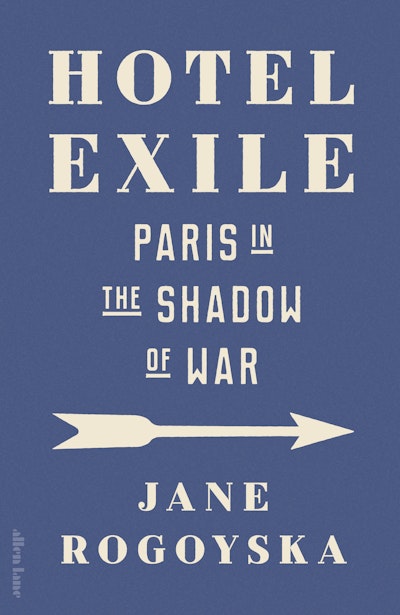
Hotel Exile Jane Rogoyska
The Hotel Lutetia is a Paris institution, the only ‘grand’ hotel on the city’s bohemian Left Bank. Ever since it opened, it has served as a meeting place for artists, musicians and politicians. André Gide took his lunch here, James Joyce lived in one of its rooms, Picasso and Matisse were regular guests. It has a darker history, too. During one short period, it became a focus for some of the most dramatic and terrible events in recent history.
In the 1930s the Hotel Lutetia attracted intellectuals and political activists, forced to flee their homes when Hitler came to power, who met here with the hope of forming an alternative government. But when war came, Paris was occupied, and the hotel became the headquarters of the German military intelligence service – and the centre of their operation to root out enemies of the Reich. In 1945, the Lutetia was requisitioned once more, this time transformed into a reception centre for deportees returning from concentration camps.
Hotel Exile is about what happens on the edges of a war. At its heart are three groups of people connected to a place, to one another, and to the dark ideology which dictates the course of their lives. A masterpiece of empathy and concision, Jane Rogoyska’s extraordinary new book offers us a vision of individual human beings desperately trying to find a path through some of the twentieth century’s most devastating events.
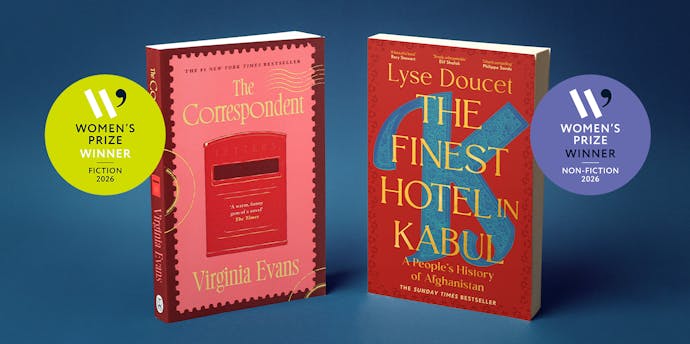
Two Penguin Random House titles have been awarded the Women's Prize this year.
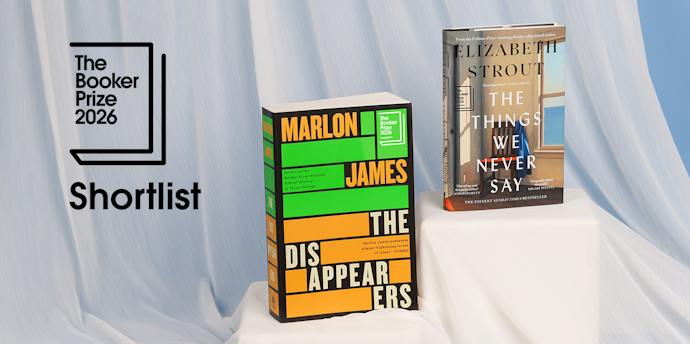
The Things We Never Say by Elizabeth Strout and The Disappearers by Marlon James have been shortlisted for the 2026 Booker Prize.
We’re delighted to introduce Penguin Storytime, where brilliant books come to life!
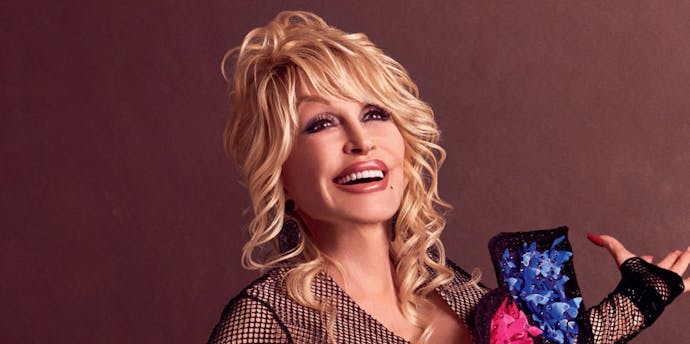
Following the passing of Dolly Parton, Penguin Random House pays tribute to her unparalleled legacy, including a deep commitment to children’s literacy.
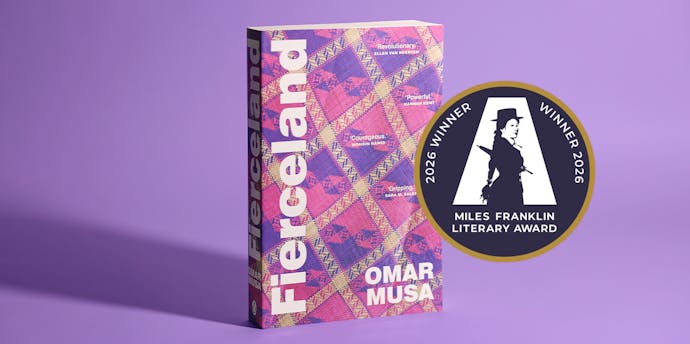
A trailblazing journey across the globe, Fierceland weaves the past and the present into an emotionally powerful family saga that plays out at a mythical scale.
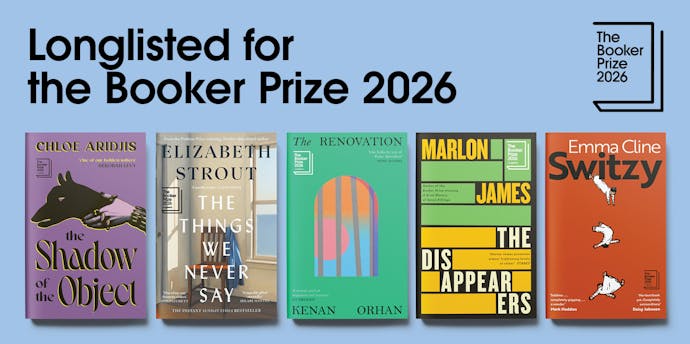
The longlist for the 2026 Booker Prize has been announced, with five Penguin Random House titles named this year.
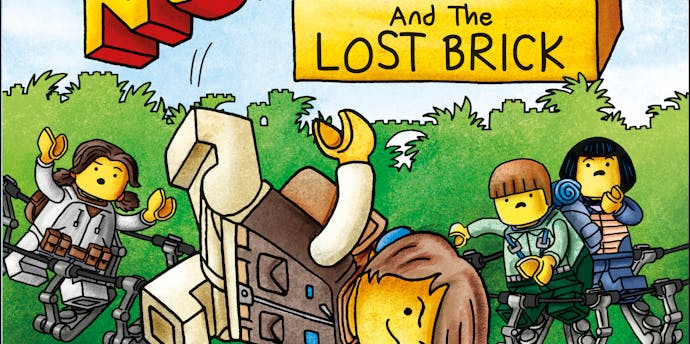
DK are so excited to share the cover of our upcoming graphic novel Nikolas Nurdblok and the Lost Brick, made with our friends at LEGO and written and illustrated by New York Times bestselling cartoonist Jeffrey Brown!
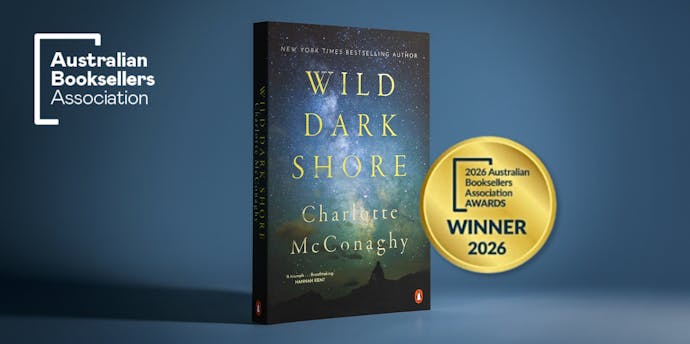
Charlotte McConaghy’s Wild Dark Shore has been named the ABA BookData Adult Fiction Book of the Year 2026, as voted by booksellers across Australia.
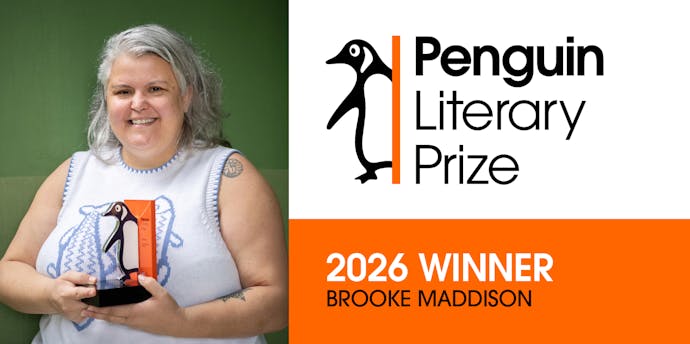
Penguin Random House Australia is thrilled to announce Driftwood by Brooke Maddison as the winner of the Penguin Literary Prize 2026.
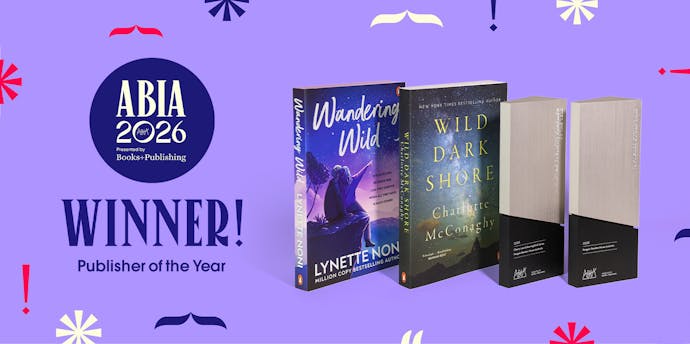
Penguin Random House has won Publisher of the Year at the 2026 Australian Book Industry Awards (ABIAs). The 2026 ABIA have just been announced and we are beyond excited to share that Penguin Random House has been awarded Publisher of the Year marking our third consecutive win - and fifth in six years!
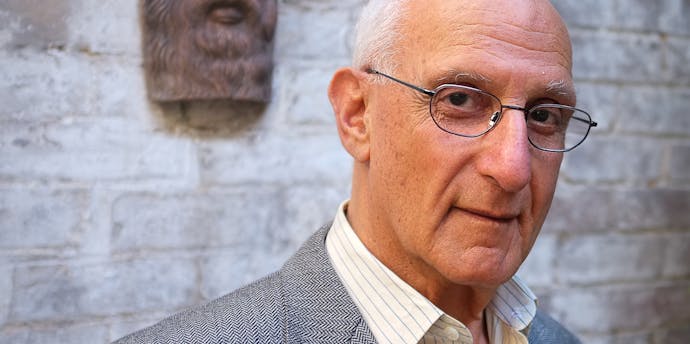
Internationally acclaimed author and poet David Malouf AO has died, aged 92
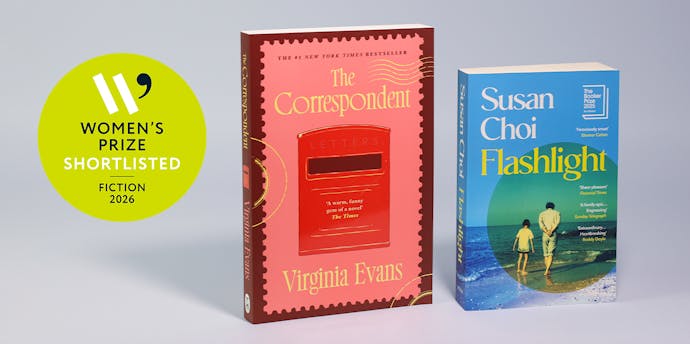
We are delighted to share that Virginia Evans and Susan Choi have been shortlisted for the Women's Prize For Fiction 2026 awards!