> Skip to content
[]
  • Published: 16 August 2011
  • ISBN: 9781612190709
  • Imprint: RH US eBook Adult
  • Format: EBook
  • Pages: 144

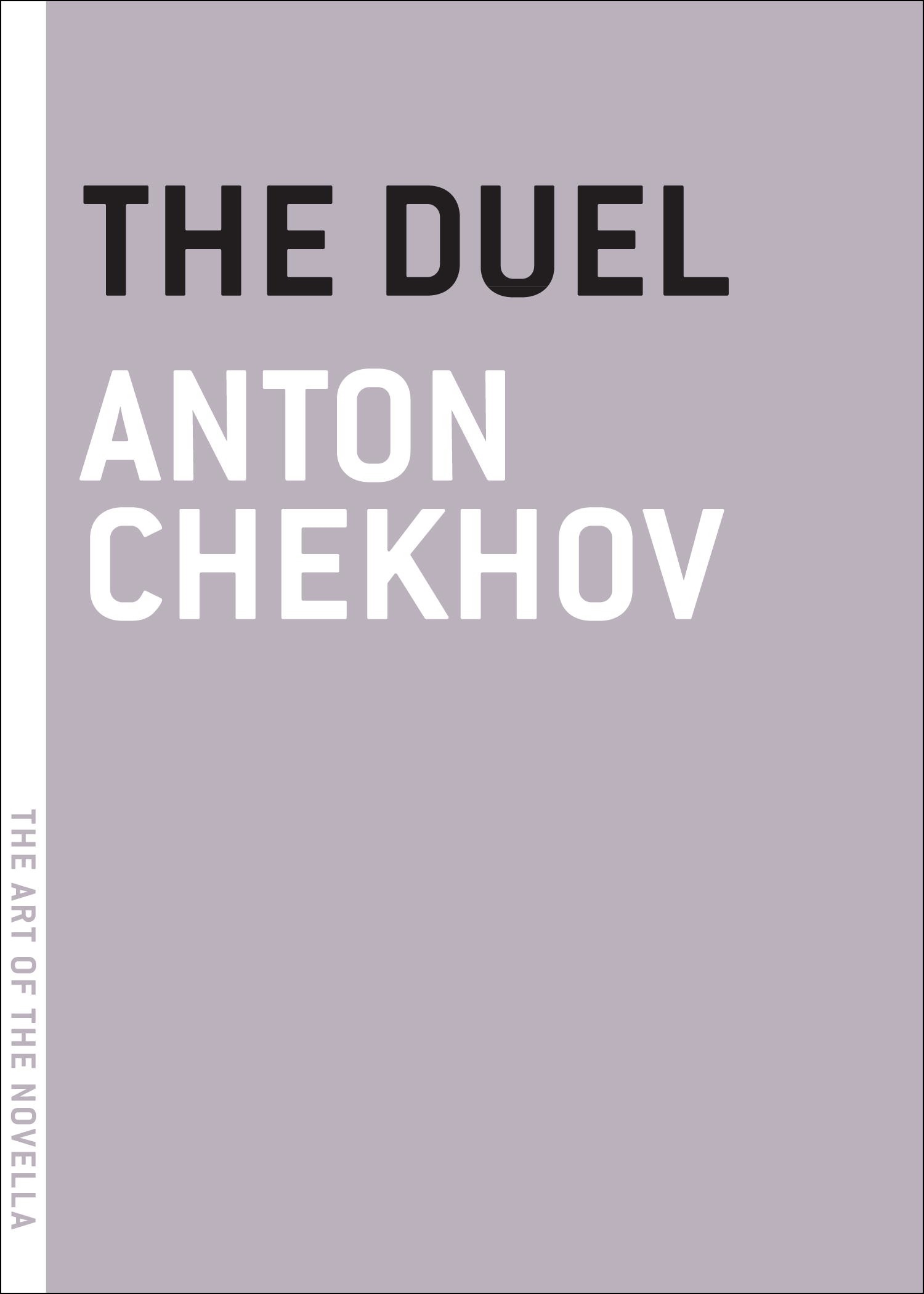
The Duel


About This Book

"Hate you!" Laevsky said quietly, breathing heavily. "I've hated you a long time!"

This new translation of the literary masterpiece— which combines a beautiful romance with high suspense— is here presented for the first time as a stand-alone volume.

One of Chekhov’s most important lengthy works, this remarkable story gives a startling twist to his classic, ongoing study of bourgeois romance when he sets it on a collision course with a decaying, Czarist concept of honor. It ends in the ultimate Chekhovian observation: that fate is often ludicrous.

This Is An Enhanced eBook

This eBook contains Illuminations—additional illustrated material that expand the world of Kleist’s novella through text and illustrations—at no additional charge. 

"Illuminations" contains writings by Mikhail Lermontov - Ivan Goncharov - Alexander Pushkin - Herbert Spencer - Friedrich Nietzsche - Jack London - Thomas Paine - Francis Bacon - Charles McKay – And a guide to the game of vint.
 
Full-color illustrations include: William Hogarth - James Joseph Tissot - Jan Steen - The Shahnameh and more.
 
Also Included: “Against The Duel: Writing In Protest of Dueling”
  • Published: 16 August 2011
  • ISBN: 9781612190709
  • Imprint: RH US eBook Adult
  • Format: EBook
  • Pages: 144

About the author

Anton Chekhov

Anton Pavlovich Chekhov (1860–1904) was a Russian playwright and short story writer who is considered to be among the greatest writers of short fiction in history. His career as a playwright produced four classics, and his best short stories are held in high esteem by writers and critics. Along with Henrik Ibsen and August Strindberg, Chekhov is often referred to as one of the three seminal figures in the birth of early modernism in the theater. Chekhov practiced as a medical doctor throughout most of his literary career: "Medicine is my lawful wife," he once said, "and literature is my mistress." Chekhov renounced the theatre after the disastrous reception of The Seagull in 1896, but the play was revived to acclaim in 1898 by Constantin Stanislavski's Moscow Art Theatre, which subsequently also produced Chekhov's Uncle Vanya and premiered his last two plays, Three Sisters and The Cherry Orchard. These four works present a challenge to the acting ensemble as well as to audiences, because in place of conventional action Chekhov offers a "theatre of mood" and a "submerged life in the text." Chekhov had at first written stories only for financial gain, but as his artistic ambition grew, he made formal innovations which have influenced the evolution of the modern short story. He made no apologies for the difficulties this posed to readers, insisting that the role of an artist was to ask questions, not to answer them.  Anton Chekhov was the author of hundreds of short stories and several plays and is regarded by many as both the greatest Russian storyteller and the father of modern drama. 

Also by Anton Chekhov

See all