> Skip to content
[]
  • Published: 30 May 2023
  • ISBN: 9781776953745
  • Imprint: Penguin eBooks
  • Format: EBook
  • Pages: 256

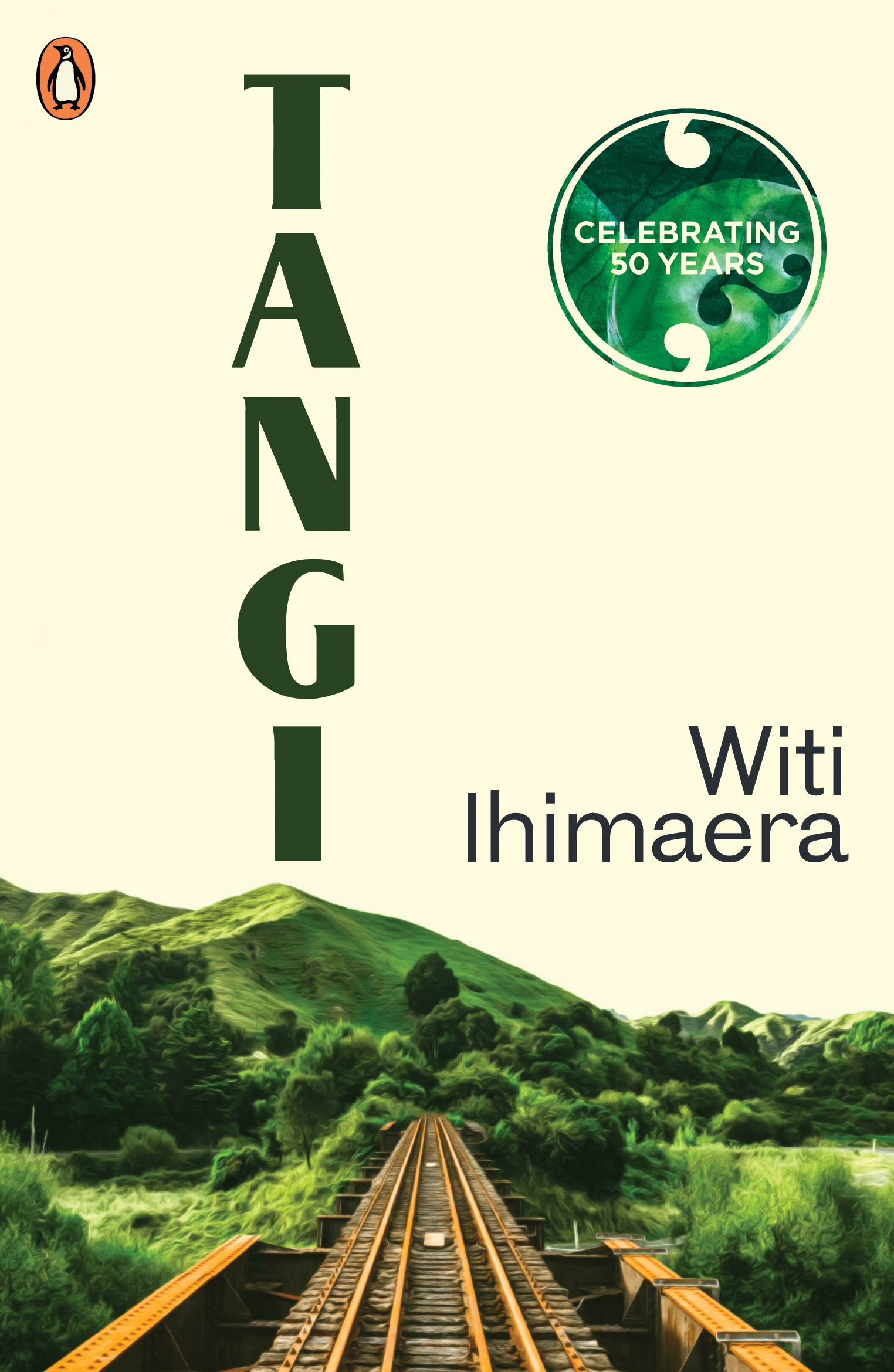
Tangi


The 50th anniversary edition of this award-winning debut novel.

First released 50 years ago, Tangi was Witi Ihimaera’s debut novel and the first to be published by a Māori author. A landmark literary event, it went on to win the James Wattie Book of the Year Award. He was just 29 years old at the time.

At the centre of the novel is the story of a father and son set within a three-day tangihanga. Those who love Pounamu Pounamu will immediately recognise that already present are the hallmarks of classic Ihimaera storytelling.

Revisiting the text for this special anniversary edition, Witi has added richer details and developed the nascent themes that have continued to preoccupy him over a lifetime of writing. Return with him to where it all began.

  • Published: 30 May 2023
  • ISBN: 9781776953745
  • Imprint: Penguin eBooks
  • Format: EBook
  • Pages: 256

About the author

Witi Ihimaera Smiler

Witi Ihimaera Smiler is a prolific and accomplished New Zealand author whose body of work centring Māori culture and values has blazed a trail for Māori and indigenous writers around the world. He has published more than forty works for adults and children, including novels, memoir, non-fiction and short stories. Described by Metro magazine as ‘Part oracle, part memorialist,’ and ‘an inspired voice, weaving many stories together’, Ihimaera has also written for stage and screen – including libretti – edited books on the arts and culture and published a range of works for children. His best-known novel is The Whale Rider, which was made into an internationally successful film in 2002. His novel Nights in the Gardens of Spain was made into the feature film Kawa, White Lies was based on his novella Medicine Woman and his novel Bulibasha, King of the Gypsies inspired the 2016 feature film Mahana. His first book, Pounamu, Pounamu, has been continuously in print since its first publication in 1972. His works have received many awards over the years, including the Wattie Book of the Year and the Montana Book Award, and the Ockham Award for best non-fiction in 2016 for his first volume of memoir, Māori Boy. A second volume, Native Son, was published in 2019, the same year that Pūrākau, which he co-edited, was released: celebrating the work of other writers has also been an important part of Ihimaera’s focus. In 2020 he published his substantial nonfiction work, Navigating the Stars, and The Swimmer followed in 2026. He has also had careers in diplomacy, teaching, theatre, opera, film and television. He has received numerous awards for his contribution to literature. In 2004 he became a Distinguished Companion of the Order of New Zealand, and in 2009 he was awarded the inaugural Star of Oceania Award, University of Hawaii, a laureate award from the New Zealand Arts Foundation and the Toi Māori Tiketike Award. The Premio Ostana International Award was presented to him in Italy 2010. In 2017 France made him Chevalier de l'ordre des Arts et des Lettres and he received the New Zealand Prime Minister’s Award for Literary Achievement in Fiction. On receiving the supreme Māori arts award Te Tohutiketike a Te Waka Toi, Ihimaera said, ‘To be given Māoridom’s highest cultural award, well, it’s recognition of the iwi. Without them, I would have nothing to write about and there would be no Ihimaera. So this award is for all those ancestors who have made us all the people we are. It is also for the generations to come, to show them that even when you aren’t looking, destiny has a job for you to do.’

Also by Witi Ihimaera Smiler

See all

Praise for Tangi

Tangi is heart-wrenchingly sad. Alongside the strongest sense of place and connectedness is a kind of meditation on grief and mortality, with a relationship between a father and son at its centre. . . . When I first heard about this revised edition of Tangi, I marvelled at how unstoppable Ihimaera is, at how this approach feels restorative, both political and deeply personal. . . . In Tangi we reach back and forwards in a spiral notion of time that is structurally embedded, with the understanding of walking backwards into the future. . . . Ihimaera – a rakatira, a pou, a kairaranga, a kaiako, and researcher who over the past fifty years has prioritised his community by writing and publishing books that represent us. . . . The core aspects of Tangi remain unchanged, the characters, the structure, and its preoccupation with telling and retelling stories. “Te torino haere whakamua, whakamuri” – “at the same time the spiral is going out, it is also returning.” To me, the two editions feel like parts of a whole: either way, Tangi is a novel of huge significance, for me, and countless others. Ihimaera has decolonised Tangi (1973) by returning the wairua to Tangi (2023). . . . I think of Ihimaera – and the weaving of the narrative, his commitment to making changes to how we as Māori are seen, but more importantly how we see ourselves. For Ihimaera, restoring these early works is a moral, even a spiritual, act – we are all works in progress.

Emma Hislop, The Spinoff