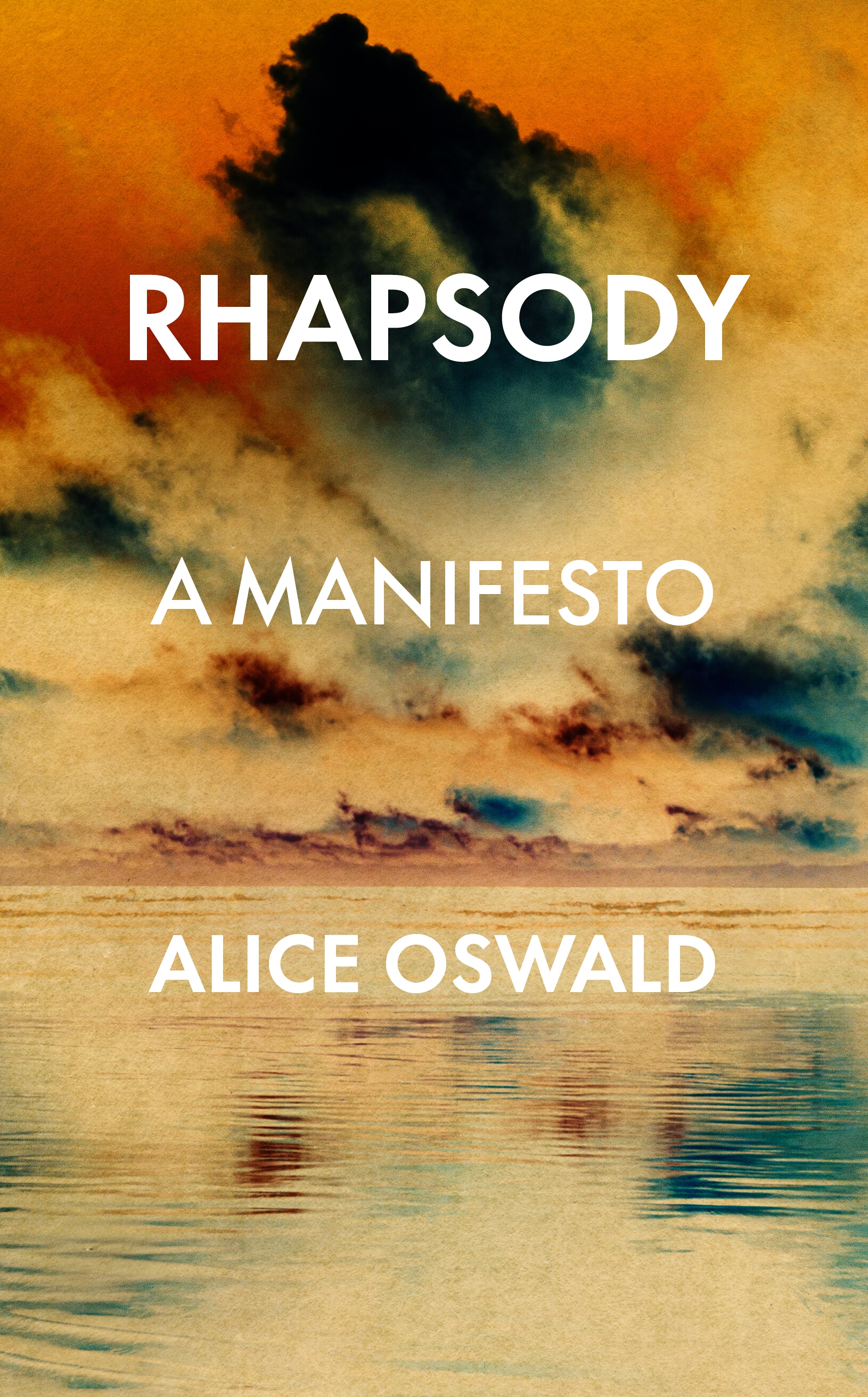
- Published: 17 September 2026
- ISBN: 9781529926248
- Imprint: Vintage Digital
- Format: EBook
- Pages: 304
Rhapsody
A Manifesto


- Published: 17 September 2026
- ISBN: 9781529926248
- Imprint: Vintage Digital
- Format: EBook
- Pages: 304

Contained in Alice Oswald’s Rhapsody is everything I hold dear. This book is a living, guiding, singing thing, a poem essay which flows over the edges of our contemporary formal limitations to revitalise language, to re-stage a lost play... Because her listening is singularly deep and nature-trained, it is so diverse, nimble, attentive and assured. It is genuinely thrilling to be swept into this wild mastery, this beating thinking heart-work. I can’t remember being as excited or as wholly engaged by a book in years. The words vibrate through you as you read, thronged by the living and the dead, human and animal in splendour and agony. It is a revitalising and radical manifesto. I will cherish it and revisit it as long as I live.
Max Porter
Alice Oswald is one of England's most attuned, gifted and globally conscious poets — and to my mind, one of the finest living poets writing in English. Rhapsody... asks its reader to listen closely to the language of transcendence, written and spoken, without ever losing sight of the earth, the air, the water. It is finely balanced: at once celestial and deeply grounded.... Rhapsody expanded me, tuning me back into the essentials of my own poetic craft. At its heart, it is a rapturous meditation on where the power of the internal imagination meets the external natural world — and all of human worldliness in between
Raymond Antrobus
Rhapsody is a journey into the mythopoetic substrate that nourishes imagination and memory. Oswald is an entrancing storyteller, and this work ferried me into to some of the deepest human mysteries
Merlin Sheldrake, author of Entangled Life